

Austrian Forum for Peace 2026:
The Art of Peace
In times of political aggression, collective fear and growing insecurity, the need for bold peace work becomes increasingly urgent. At the same time, this need is often overshadowed by dominant narratives of deterrence, militarization and realpolitik. The Austrian Forum for Peace 2026 therefore asks the question of how sustainable peace and security can be thought of and designed beyond sole military logic. Strategic de-escalation, diplomacy, dialogue and mediation as well as civil society conflict transformation play a central role in transforming crises into long-term development, stability and peace.
The forum sees peace as both a craft and an art. Peace work requires professional methods, expertise and international networks, but at the same time creativity, empathy and intuition. Building on a human-centered and intersectional understanding of peace, AFP 2026 focuses on the security, dignity and agency of everyone.
The focus of the forum is on the core competencies of state-of-the-art peace practice: conflict resolution through mediation and dialogue, the practice of international peace operations including protection concepts and new technologies, as well as long-term approaches to conflict transformation such as reconciliation, peace building and culture of remembrance. Based on international frameworks such as the UN New Agenda for Peace and UNESCO's vision of a global culture of peace, the Forum understands peace not only as the absence of violence, but as an emancipatory process that is based on local agency, social participation and the design of digital and ecological transformations.
At ACP, we believe in bringing together diplomats, scholars, practitioners, students, policymakers, and civil society representatives including professional artists to engage in deep dialogue and intellectual exchange, creative processes, and hands-on collaboration towards future scenarios of bold peace. The Forum provides a safe space and different formats to put our conviction into practice, and we look forward to seeing you there.
Where
Rochusplatz 1 / Burg Schlaining, 7461, Stadtschlaining
You can find our guest information here.
Event Schedule
Austrian Forum for Peace 2026 "The Art of Peace" is full of engaging events, workshops and panel discussions, you can find our tentative schedule, here:
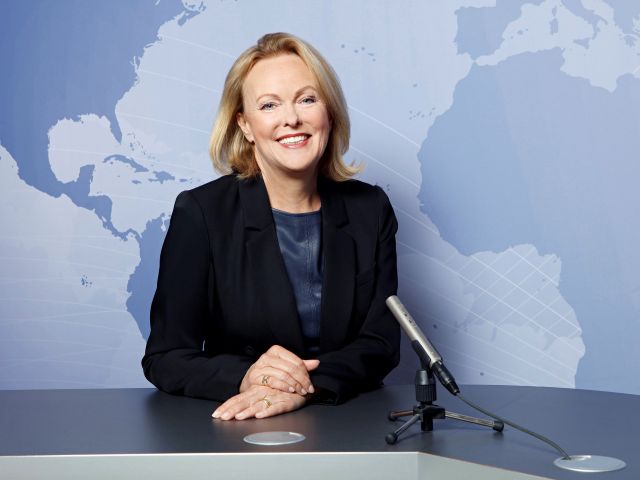
Moderation: Damita Pressl
Daily Shuttles
29th June
Languages: German and English (with interpretation)
Summer School (closed)
Streams:
The Middle East Conflict
or Decolonial Peacebuilding
Lunch
Summer School (closed)
Streams:
The Middle East Conflict
or Decolonial Peacebuilding.
Opening Segment Granarium
Welcome Addresses
Tobias Lang, ACP Director
Norbert Darabos, President of the ACP, former Austrian Minister of Defence
Peter Riedler, Vice-Chancellor of the University of Graz
Hans Peter Doskozil, Governor of Burgenland, former Austrian Minister of Defence
Oliver P. Richmond, University of Manchester
Audrey Azoulay, President of La France s’engage, former Director-General of UNESCO and France’s Minister of Culture and Communication from 2016 to 2017
Reception Castle Courtyard / Burghof
Hosted by Hans Peter Doskozil, Governor of Burgenland
30th June
Languages: English (main language) / German (some elements)
Panel Discussion Granarium
Rethinking Peacebuilding and Mediation in an Evolving Global Order
As the landscape of peace mediation evolves, a growing number of states and regional actors are taking active roles in facilitating negotiations and diplomatic engagement. This panel examines how these shifts are reshaping the broader ecosystem in which peacebuilding organisations operate and how civil society dialogue initiatives connect to changing mediation dynamics. Panelists will reflect on how peacebuilding practice can adapt to new political realities while continuing to contribute meaningfully to conflict resolution
Speakers:
Itonde Kakoma, CEO and President of Interpeace
Chris Coulter, Executive Director of Berghof Foundation
Peter Jones, Ottawa University
Imad Karam, Senior Peacebuilder and Filmmaker
Moderator:
Anna Hess, ACP Advisory Board Member, Research Associate with the Geneva Graduate Institute
Coffee Break
Workshops
Technology for Peace – Empowering Women and Youth at the Grassroots
Umwelt- und Klimakonflikte im Wandel – neue Herausforderungen für Mediation & Partizipation (German)
(Think Outside the) Toolbox – The transformative power of Art in Peace Work
Reimagining Peace Practice in a Fragmenting World – Emerging Approaches from the Field (closed)
Summer School: The Middle East Conflict
Summer School: Decolonial Peacebuilding
Lunchbreak
Workshops
Technology for Peace – Empowering Women and Youth at the Grassroots
Umwelt- und Klimakonflikte im Wandel – neue Herausforderungen für Mediation & Partizipation (German)
(Think Outside the) Toolbox – The transformative power of Art in Peace Work
Reimagining Peace Practice in a Fragmenting World – Emerging Approaches from the Field (closed)
Summer School: The Middle East Conflict
Summer School: Decolonial Peacebuilding
Reclaiming PeaceTech - Whose Tech? Whose Peace? (only in the afternoon, Location: Granarium)
Spotlight Conversation Granarium
Practicing Peace Under Fire: The Case of Sudan
In the midst of violent conflict and collapsing state institutions, Sudan’s Emergency Response Rooms, Right Livelihood Award laureates 2025, have emerged as remarkable examples of grassroots organisation and community protection. Created by local communities to coordinate humanitarian support and mutual aid, these networks demonstrate how solidarity and resilience can sustain societies during war. This conversation explores what the international community can learn from those practicing peace and protection under extreme conditions.
Speakers:
Alsanosi Adam, External Communications Coordinator for the Emergency Response Rooms of Sudan, Right Livelihood Award laureate
Winnifred Bedigen, University of Leeds
Moderator:
Jan Pospisil, ACP Advisory Board Member, Affiliated Researcher at the Austrian Institute for International Affairs and co-investigator in the PeaceRep
Dinner Conference Hotel Schlaining / Konferenzhotel Schlaining
Public Reception Granarium
Public Paneldiscussion Granarium
Der Elefant im Raum: Die USA als Herausforderung für die liberale Weltordnung
German with English interpretation
Die internationale Rolle der USA verändert sich und stellt Europa sowie die multilaterale Ordnung vor neue Herausforderungen. Das Panel diskutiert, welche Auswirkungen aktuelle Entwicklungen in der US-Politik auf internationale Kooperation, Sicherheitspolitik und das Völkerrecht haben. Gleichzeitig geht es um die Frage, wie Europa neue politische Narrative und strategische Ansätze entwickeln kann, um eine zukunftsfähige Architektur des Friedens zu gestalten.
Speakers:
Hannelore Veit, Moderatorin und Vizepräsidentin der ÖAG
Irene Giner-Reichl, Vice President of the ACP and President of Global Forum on Sustainable Energy
Martin Kobler, ACP-Advisory Board Member and Diplomat
Matt Karnitschnig, Chefredakteur euractiv
Moderator:
Damita Pressl, Journalist
1st July
Languages: English (main language) / German (some elements - see below)
Panel Discussion Granarium
A Sign of Things to Come: Peace Operations in the Middle East
Peace operations have long been a central instrument for protecting civilians and stabilising conflict regions. Using the Middle East as a lens, this panel examines how peace operations are evolving in response to shifting geopolitical dynamics and changing expectations of international engagement. The discussion explores how future peace operations might be reimagined and redesigned to meet the complex realities of contemporary conflict.
Speakers:
Christian Berger, Director of the EEAS Crisis Response Centre/ Senior Representative at the CMCC for Gaza
Kristin Lund, former Head of Mission/Chief of Staff of United Nation Truce Supervision Organization in the Middle East
Dirk Druet, Non-resident Senior Adviser, International Peace Institute
Günther Barnet, Head of Military Advice and Support as well as Regional Cooperation at the Austrian Federal Ministry of Defence
Moderator:
Annika Hansen, ACP Advisory Board Member and ZIF Berlin
Coffee Break
Workshops
Technology for Peace – Empowering Women and Youth at the Grassroots
Umwelt- und Klimakonflikte im Wandel – neue Herausforderungen für Mediation & Partizipation (German)
(Think Outside the) Toolbox – The transformative power of Art in Peace Work
Reimagining Peace Practice in a fragmenting World - Emerging Approaches from the Field (closed)
Summer School: The Middle East Conflict
Summer School: Decolonial Peacebuilding
Lunchbreak
Workshops
Technology for Peace – Empowering Women and Youth at the Grassroots
Umwelt- und Klimakonflikte im Wandel – neue Herausforderungen für Mediation & Partizipation (German)
(Think Outside the) Toolbox for Peace Work – The transformative power of Art in Peace Work
Reimagining Peace Practice in a fragmenting World - Emerging Approaches from the Field (closed)
Summer School: The Middle East Conflict
Summer School: Decolonial Peacebuilding
Spotlight Conversation Granarium
Engaging across Conflict Lines during War: Perspectives from Israel and Ukraine
Working for peace during active war requires maintaining dialogue and human connections even in deeply divided societies. In this fireside conversation, practitioners from Israel and Ukraine share their experiences of sustaining engagement across conflict lines in highly polarised environments. Their reflections highlight the delicate work of building trust and dialogue, even when the conditions for peace appear fragile.
Speakers:
Gal Harmat, Senior Fellow at swisspeace
Tetiana Kyselova, Director, Mediation and Dialogue Research Center, National University "Kyiv-Mohyla Academy", Ukraine
Moderator:
Bettina Muscheidt, ACP Advisory Board Member
"Burgfest" with barbecue & live music Castle Courtyard
2nd July
English (main language) / German (some elements)
Workshops Reflections & Ways forward
Umwelt- und Klimakonflikte im Wandel – neue Herausforderungen für Mediation & Partizipation (German)
(Think Outside the) Toolbox – The transformative power of Art in Peace Work
Reimagining Peace Practice in a fragmenting World - Emerging Approaches from the Field (closed)
Summer School: The Middle East Conflict
Summer School: Decolonial Peacebuilding
Coffee Break
Paneldiscussion Granarium
Conflict Transformation: The Art and Craft of building Peace
Peace does not emerge automatically, it requires institutions, relationships, and social systems capable of managing conflict constructively over time. This panel explores how societies can design “peace architectures” that strengthen resilience, support reconciliation, and address the root causes of conflict. Drawing on insights from peace practice and research, panellists will discuss how future approaches to peacebuilding can respond to increasingly complex global challenges.
Speakers:
Kuol Arou Kuol, South Sudanese peacebuilder, refugee leader, and Practitioner Associate of Unyoke Foundation
Duncan Morrow, Director of Community Engagement at Ulster University
Rana Yazaji, Executive Director of the Artas Foundation
Michael Fryer, Coach and Consultant
Moderator:
Jean-Paul Chami, Peacebuilding Advisor
Conference Closing Granarium
Farewell Reception Castle Courtyard
Departure
Workshops
Technology for Peace – Empowering Women and Youth at the Grassroots
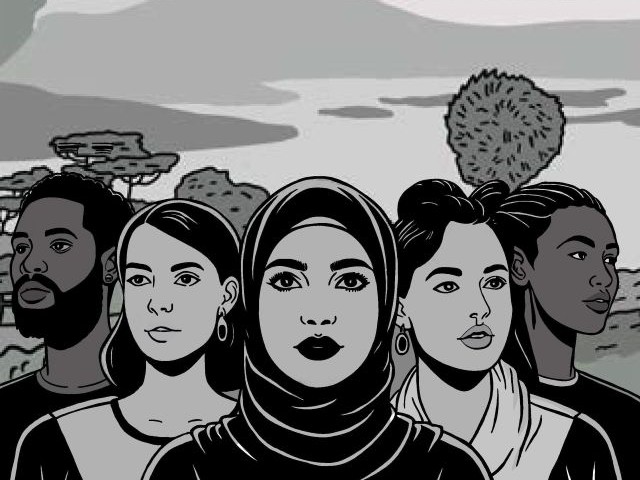
PeaceTech has the potential to empower women and youth at the grassroots level by placing them at the center of early warning systems, amplifying local voices in peace processes, and strengthening their capacities through digital training and platforms. Yet in fragile contexts, technology can also deepen inequalities through unequal access, data biases, and security risks that disproportionately affect women and youth. This workshop explores how PeaceTech can strengthen the role and leadership of women and youth in peacebuilding to ensure that technological innovations foster peace that is inclusive and locally grounded, while bridging the gap between community needs, policy frameworks, and technological developments.
Target group: Peacebuilding practitioners (mainly women and youth) working at the grassroot level in fragile contexts as well as representatives from government, multilateral organizations, academia and tech companies.
Workshop Facilitator: Astrid Holzinger
This workshop is organised in collaboration with OSCE RFoM.
Umwelt- und Klimakonflikte im Wandel – neue Herausforderungen für Mediation & Partizipation (German)
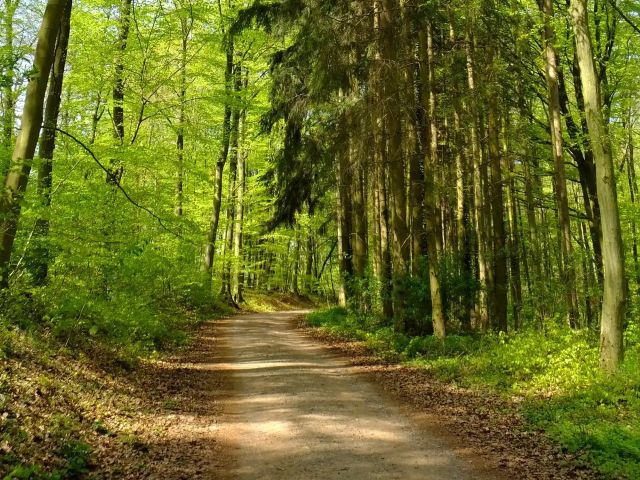
Partizipation und Mediation bei Umwelt- und Klimakonflikten stehen vor neuen Herausforderungen. Generell werden Umwelt- und Klimamaßnahmen verstärkt angezweifelt. Gleichzeitig nimmt die Zahl der Projekte – etwa durch das Erneuerbaren-Ausbau-Gesetz – und die geplanten Renaturierungsvorhaben zu. Und schließlich stellen Wolf & co. die Gesellschaft vor neue Herausforderungen. Dies verlangt nach einer Adjustierung der gewohnten Partizipations- und Mediationsmethoden. In diesem Workshop erwarten Sie wichtige Informationen rund um den Status Quo von Klima- und Umweltkonflikten in Österreich, mögliche Änderungen und Ansätze im Bereich Mediation & Partizipation, sowie interaktiver Austausch und Vernetzung zur Weiterentwicklung von Partizipation und Mediation im öffentlichen Bereich. (c) Richard von Lenzano
Workshop Facilitators: Sophia Stanger & Wolfgang Weilharter
Workshop Speakers:
Jennifer Hatlauf, Universität für Bodenkultur
Alexander Hochauer, Windkraft Simonsfeld AG
Elena Leutgöb, Bundesministerium für Land- und Forstwirtschaft,Klima- und Umweltschutz, Regionen und Wasserwirtschaft
Barbara Ruhsmann, Österreichische Gesellschaft für Umwelt und Technik
More Information can be found here.
(Think Outside the) Toolbox – The transformative power of Art in Peace Work
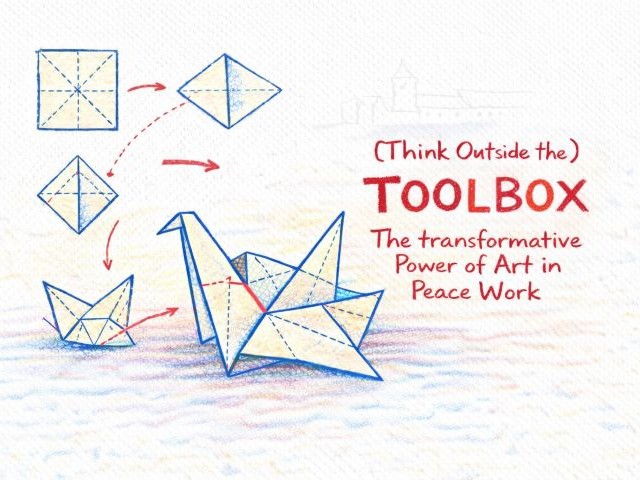
This workshop explores how artistic approaches can unlock new possibilities in peace work. Practitioners will exchange experiences and reflect on the transformative potential of art-based methods such as Playback Theatre and other creative approaches to conflict transformation.
This workshop is organised in collaboration with artasfoundation.
Reclaiming PeaceTech - Whose Tech? Whose Peace?

This session is facilitated as part of the PeaceTech Alliance, a collective of peace organisations, universities and responsible tech companies across Austria.
This workshop is taking place on 30 June 2026 in the afternoon. Location: Granarium.
Summer School
The Summer School, held from 29 June to 2 July 2026 at Schlaining Castle, provides an opportunity to engage with key challenges and approaches in contemporary peacebuilding. It is organised in two parallel streams, each offering a distinct thematic and methodological perspective:
The Middle East Conflict
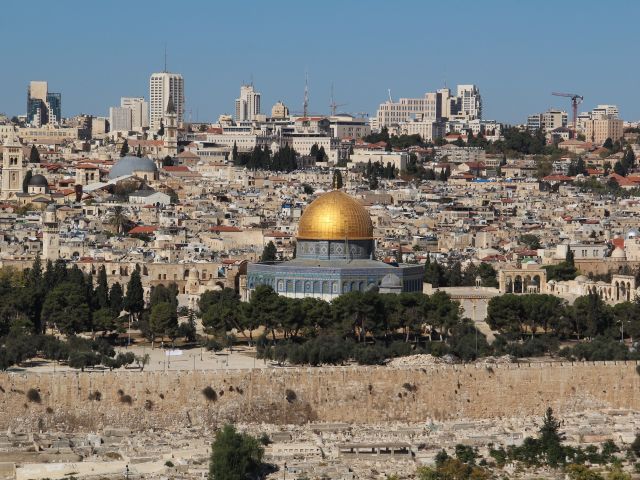
Summer School - Stream 1
This stream examines the Middle East conflict in its historical depth and contemporary complexity, situating current developments within broader political, social, and narrative contexts. It explores the roots of competing national movements, the legacy of European colonialism, and the evolution of conflict dynamics in the region. Particular attention is given to key historical milestones and to the ways in which different actors have shaped both conflict trajectories and peace efforts.
The course further analyses past and present approaches to conflict transformation, from
high-level diplomatic agreements such as the Camp David Accords to more recent initiatives
like the Abraham Accords. It critically reflects on the role of international actors in mediation
and escalation, especially in the context of an emerging multipolar order, and explores the
interaction between formal diplomacy and broader multi-track peace processes.
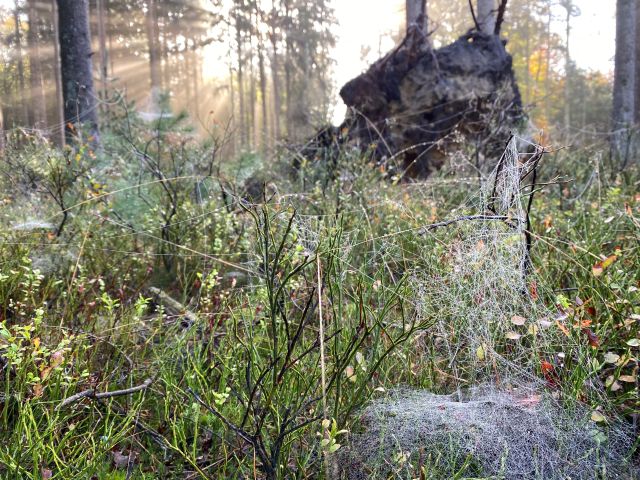
(c) Reijo Telaranta
Decolonial Peacebuilding
Summer School - Stream 2
This stream critically engages with dominant peacebuilding paradigms by introducing perspectives from decolonial scholarship and practice. It examines how mainstream approaches, often shaped by liberal, state-centric, and externally driven frameworks, can overlook local realities and reproduce patterns of inequality, exclusion, and harm.
Moving beyond critique, the course explores alternative approaches to peace that centre the
agency, knowledge, and lived experiences of communities affected by conflict. It reflects on
how peacebuilding can be grounded in local ownership, relational forms of social cohesion,
and a broader understanding of well-being that includes both human and non-human dimen
sions. In doing so, it opens space to rethink peace as a context-sensitive and transformative
process.
(c) Alexander Hauk
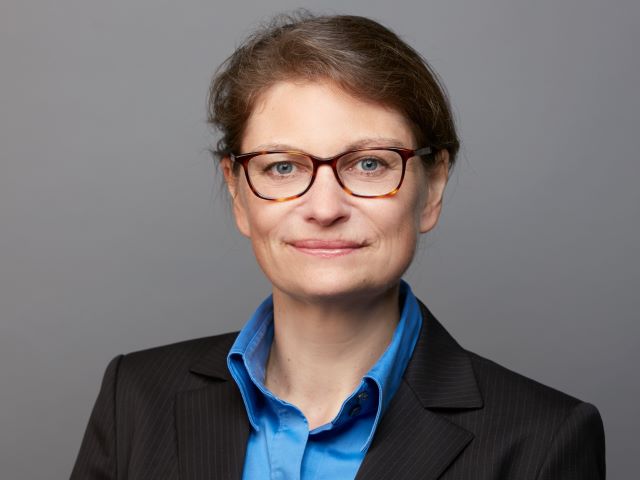
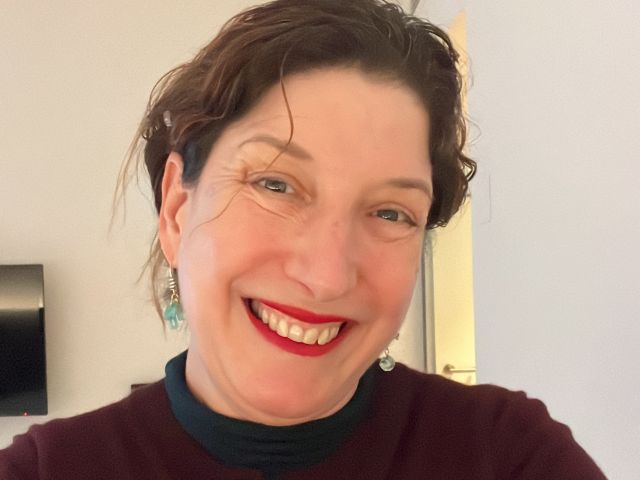
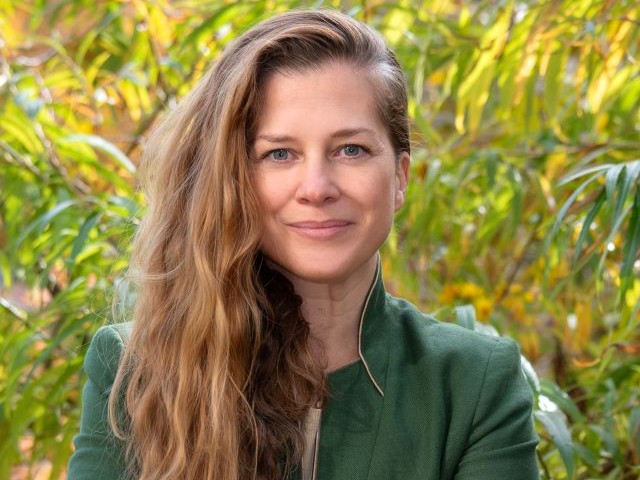
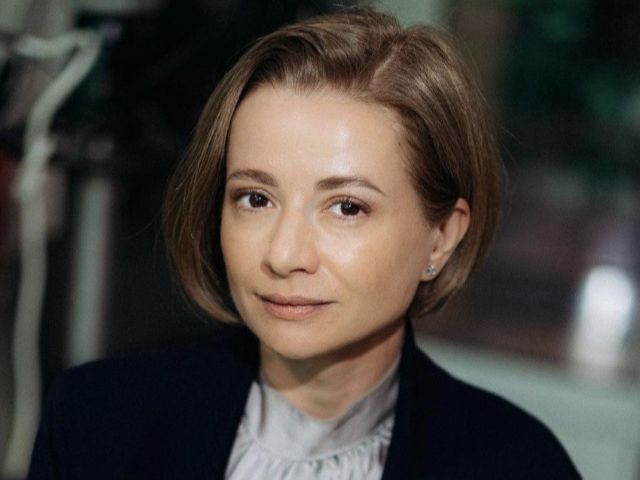
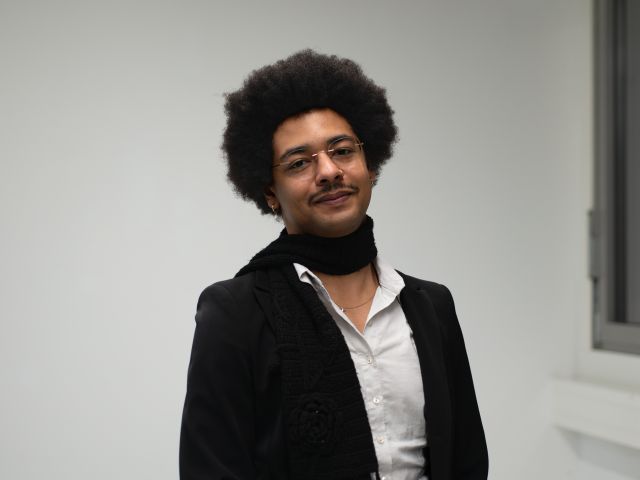
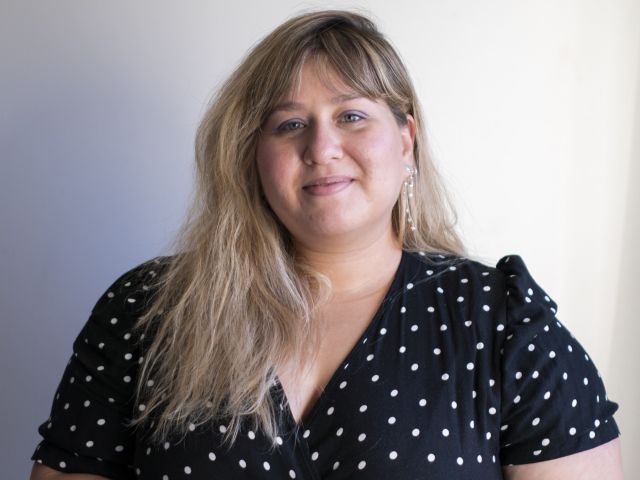
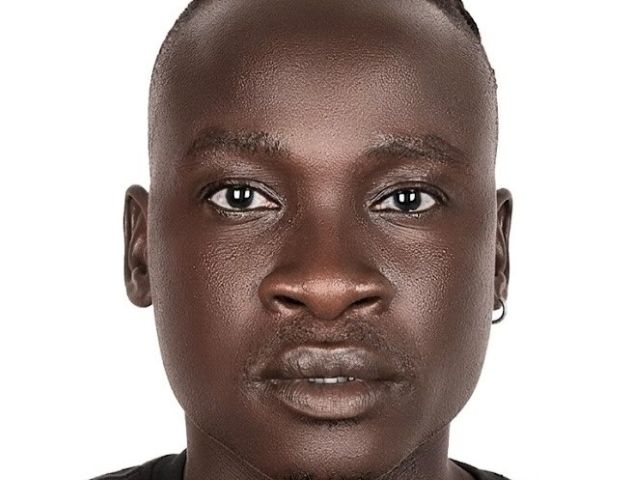
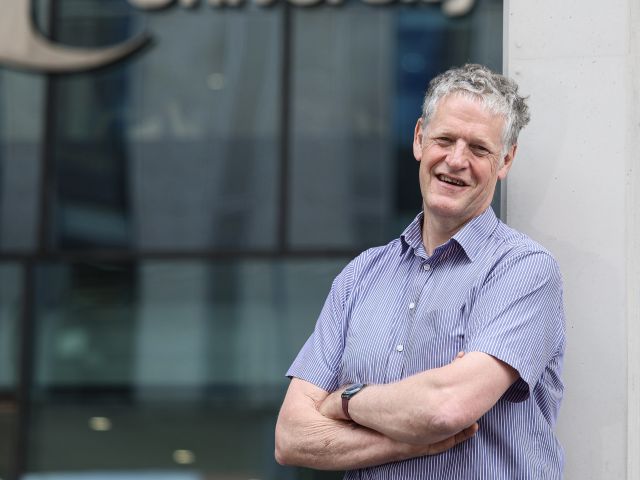
Experts & Speakers

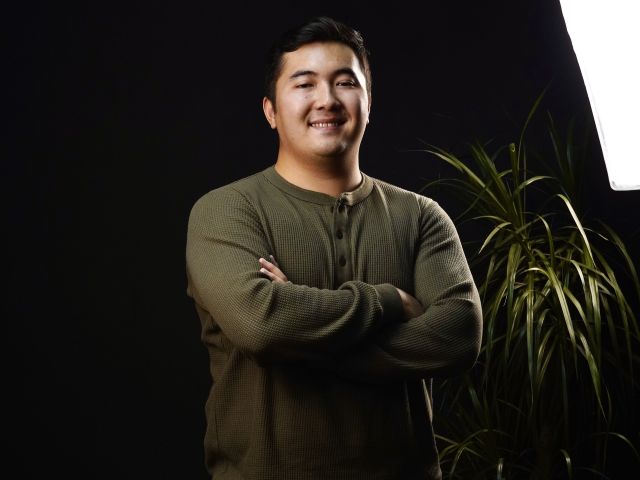
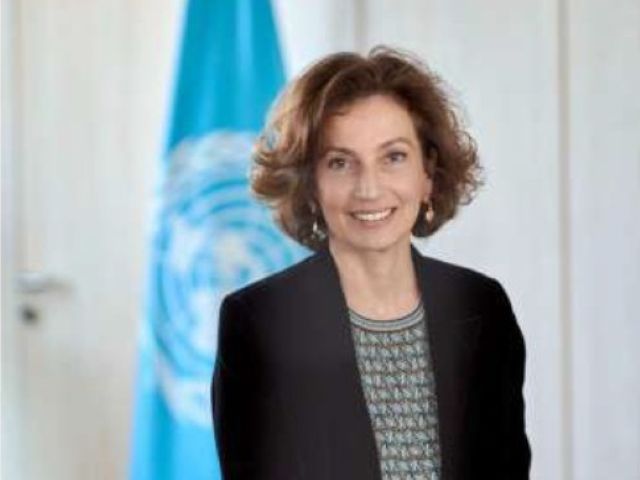
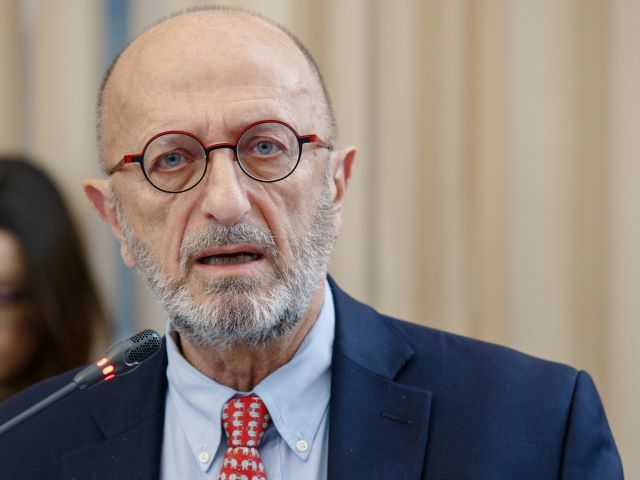
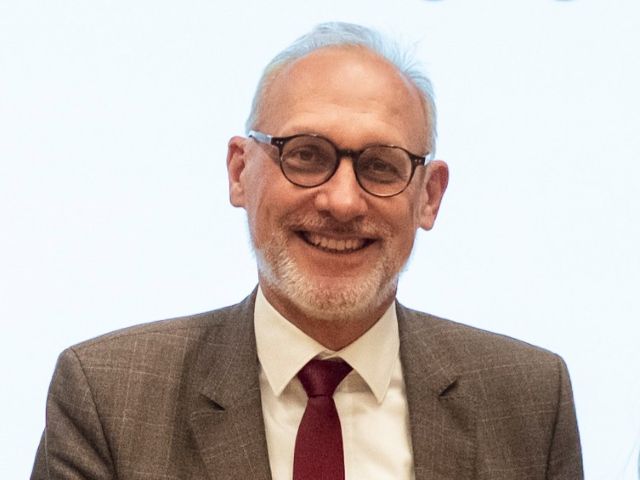

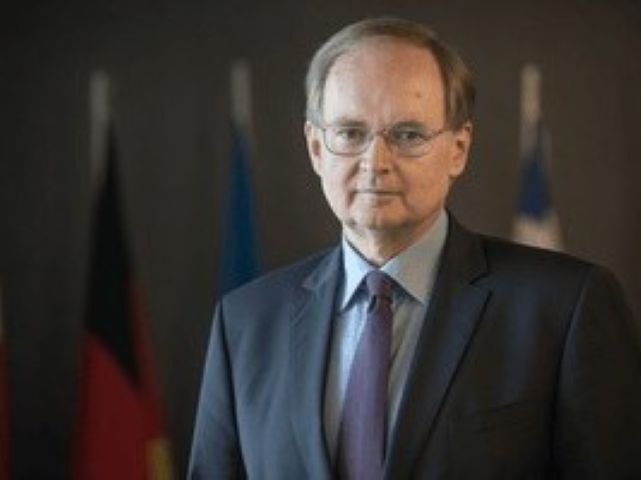
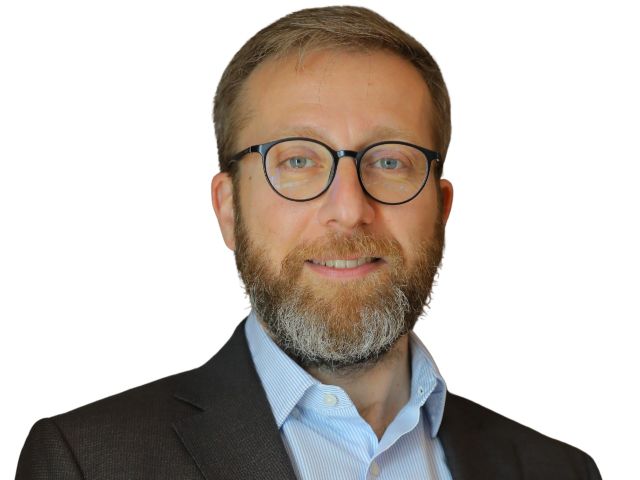
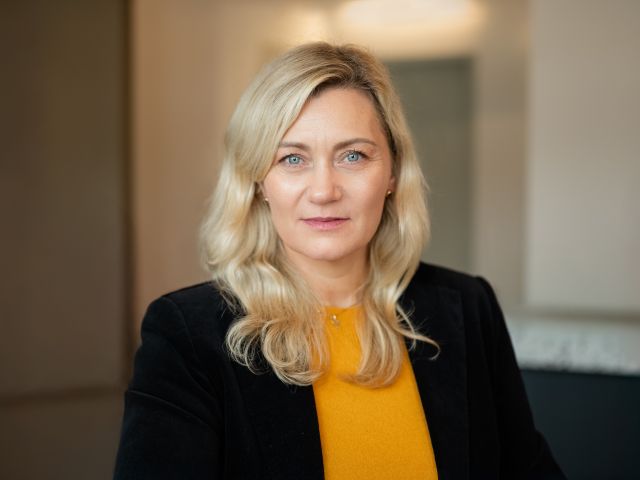


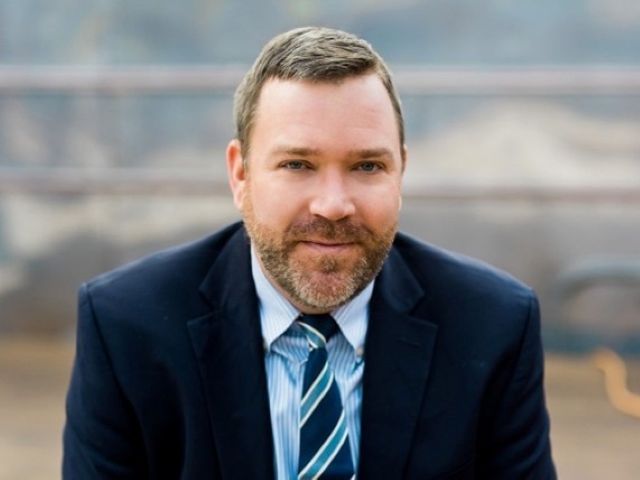
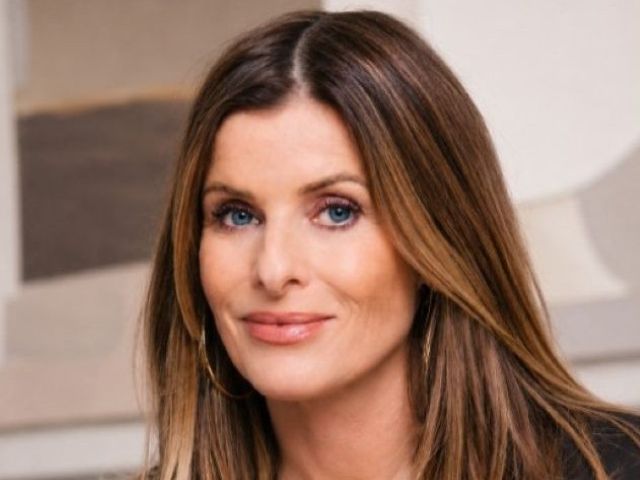

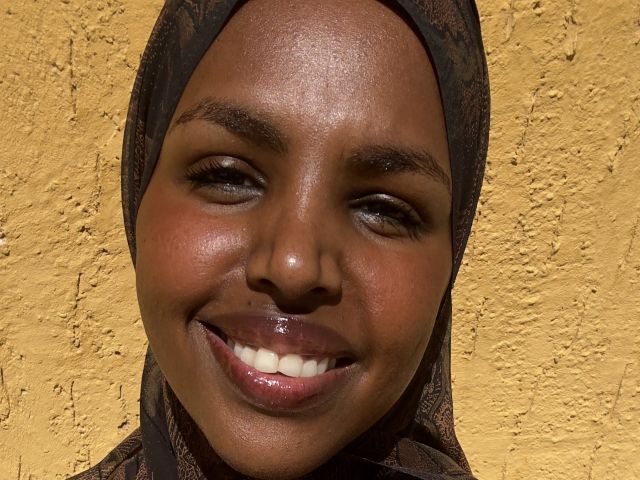

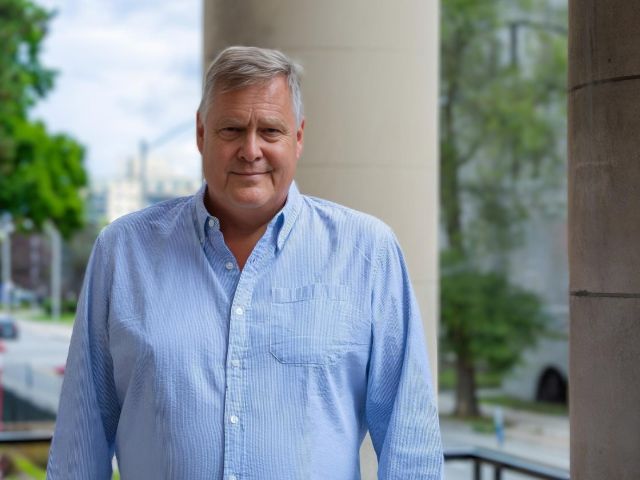
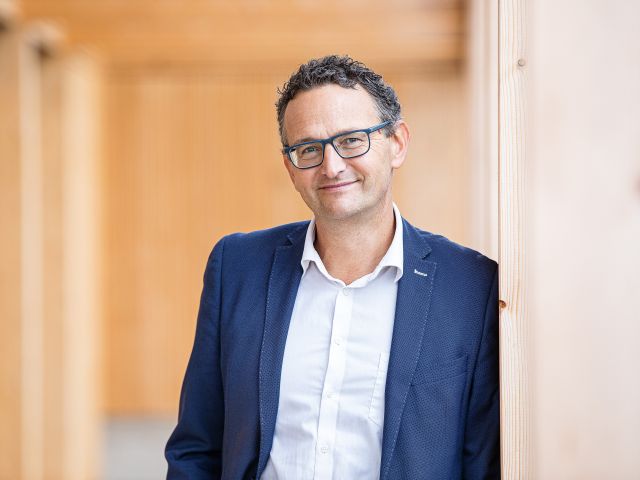
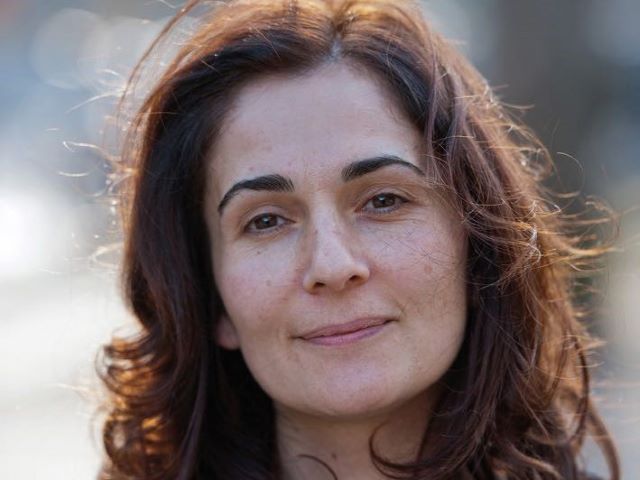


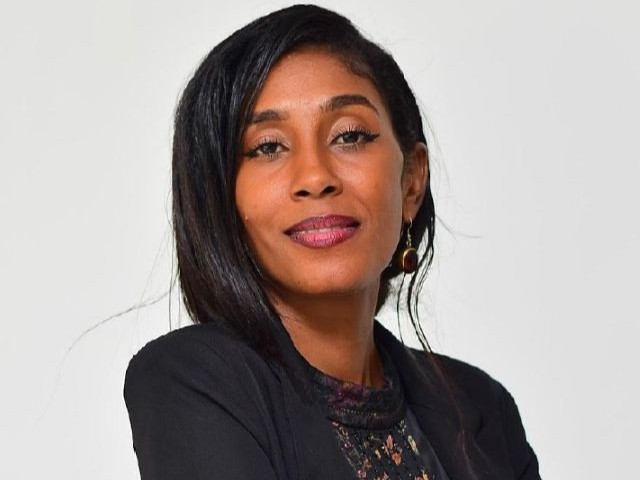
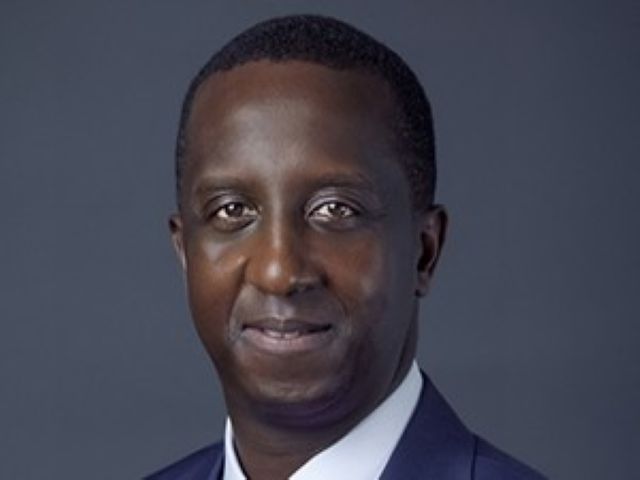
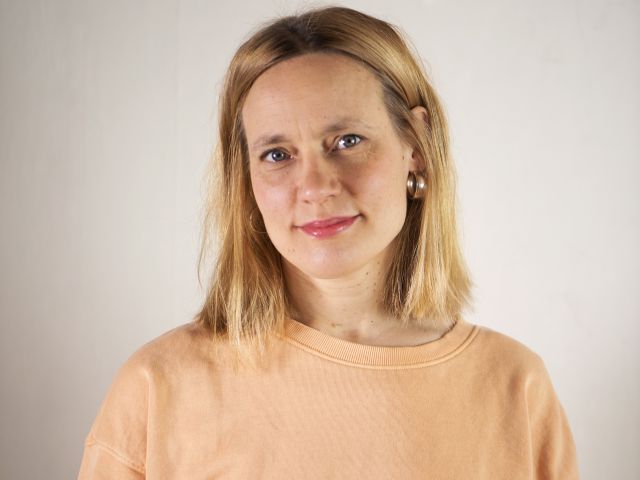
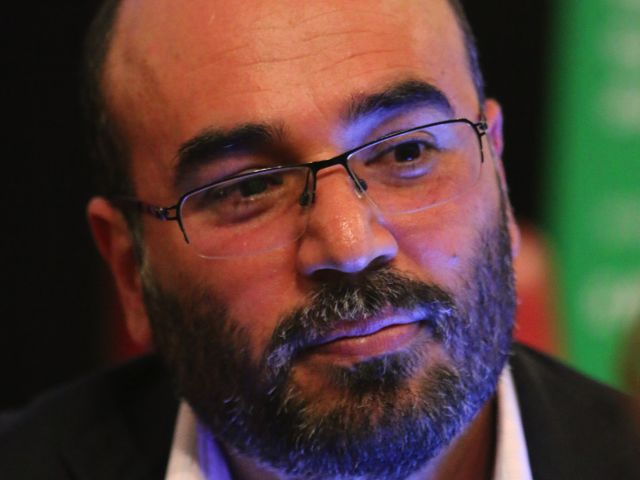
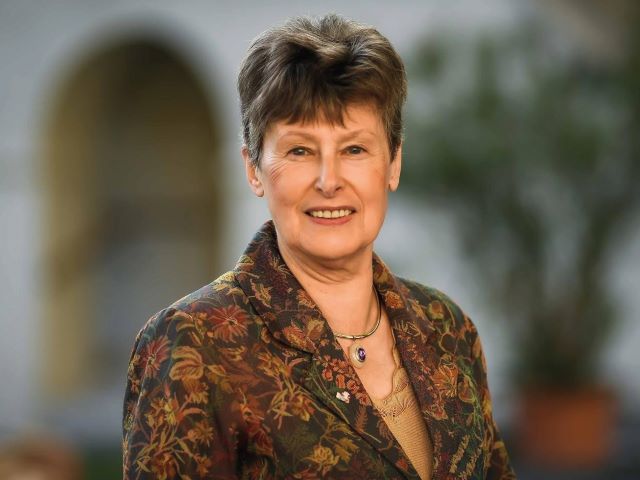
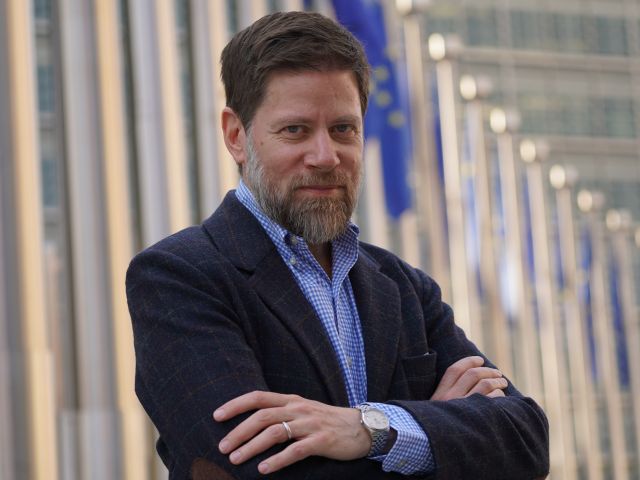

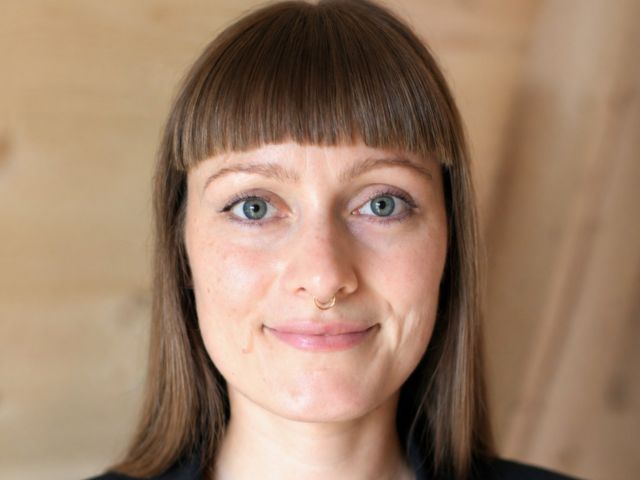
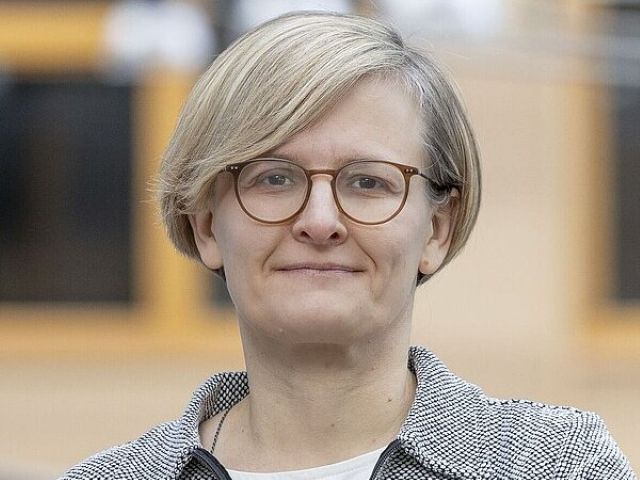


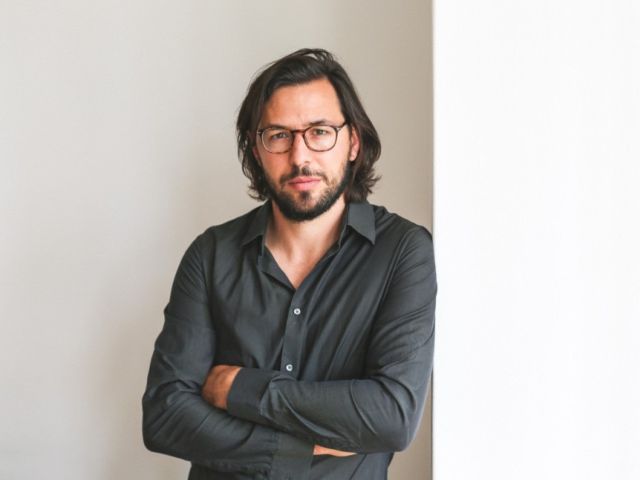

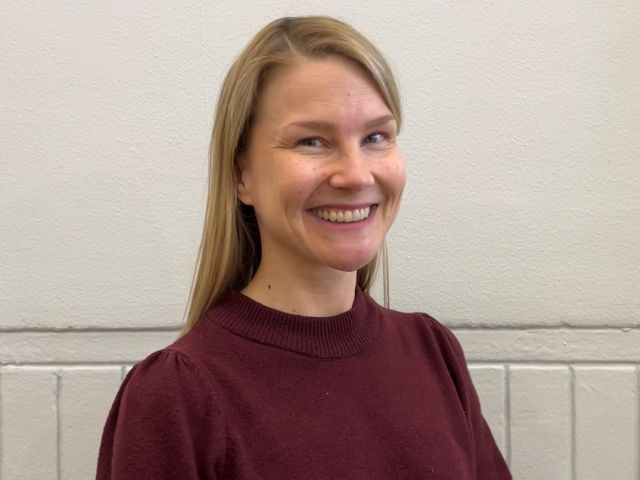
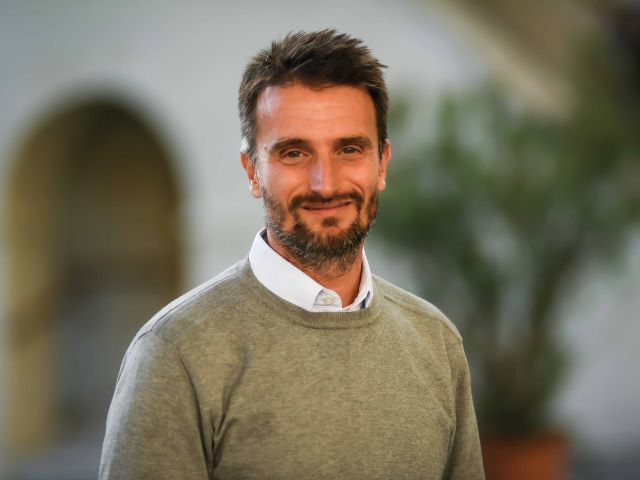


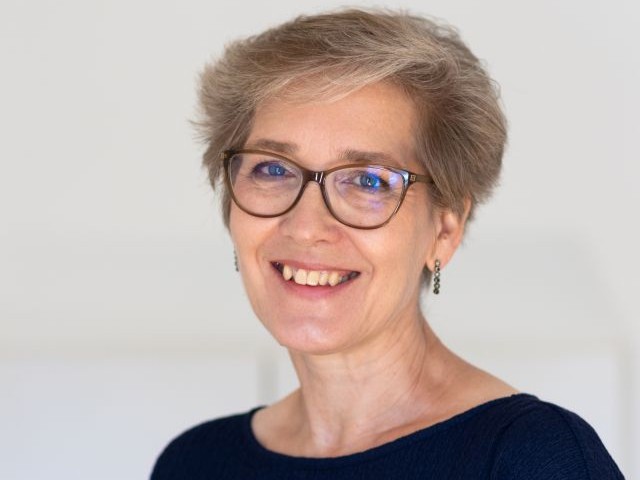



ACP Team



Art
Artistic projects presented during the Austrian Forum for Peace 2026.
UNO CITY – An Extraterritorial Landmark in an Interconnected World
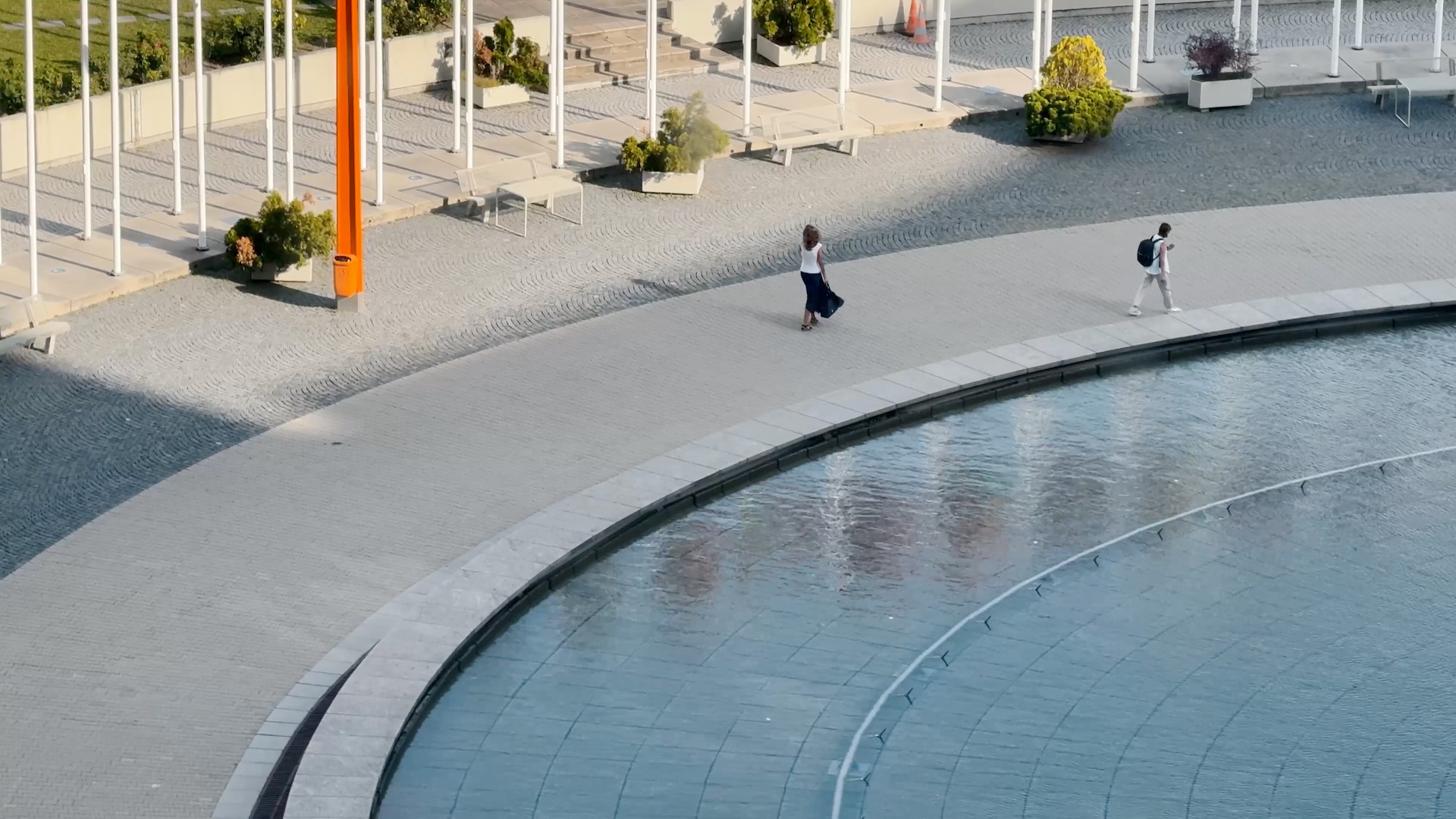
Artist: Wolfgang Lehrner
3-Channel-Moving-Image-Installation, Sound composition: Valeriu Borcos (2025/2026)
UNO CITY is a three-channel video installation focusing on the United Nations in Vienna and serves as the point of departure for the broader UN CITIES
project. It explores the architecture and visual identity of the Vienna International Centre — widely known as UNO-City – not as a monument, but as a working
infrastructure embedded in a global network: a city within a city, home to the entire world.
Positioned between openness and restriction, sovereignty and cooperation, the work approaches the site as a living system, revealing how architecture becomes a space of ongoing negotiation between the visible and the hidden, the global and the local.
UN CITIES will deepen this investigation by connecting multiple United Nations sites across the globe into a shifting visual and conceptual network. Through its multi-channel installation, fragmented perspectives and layered compositions dissolve fixed viewpoints, forming a hybrid image of the UN as an interconnected organism. It reflects on architecture as both a carrier of ideals and a site of contradiction, inviting viewers to assemble their own understanding of internationalism as a dynamic, collective process shaped by negotiation, cooperation, and change.
Location: Burg Schlaining
Installation "I AM SORRY"
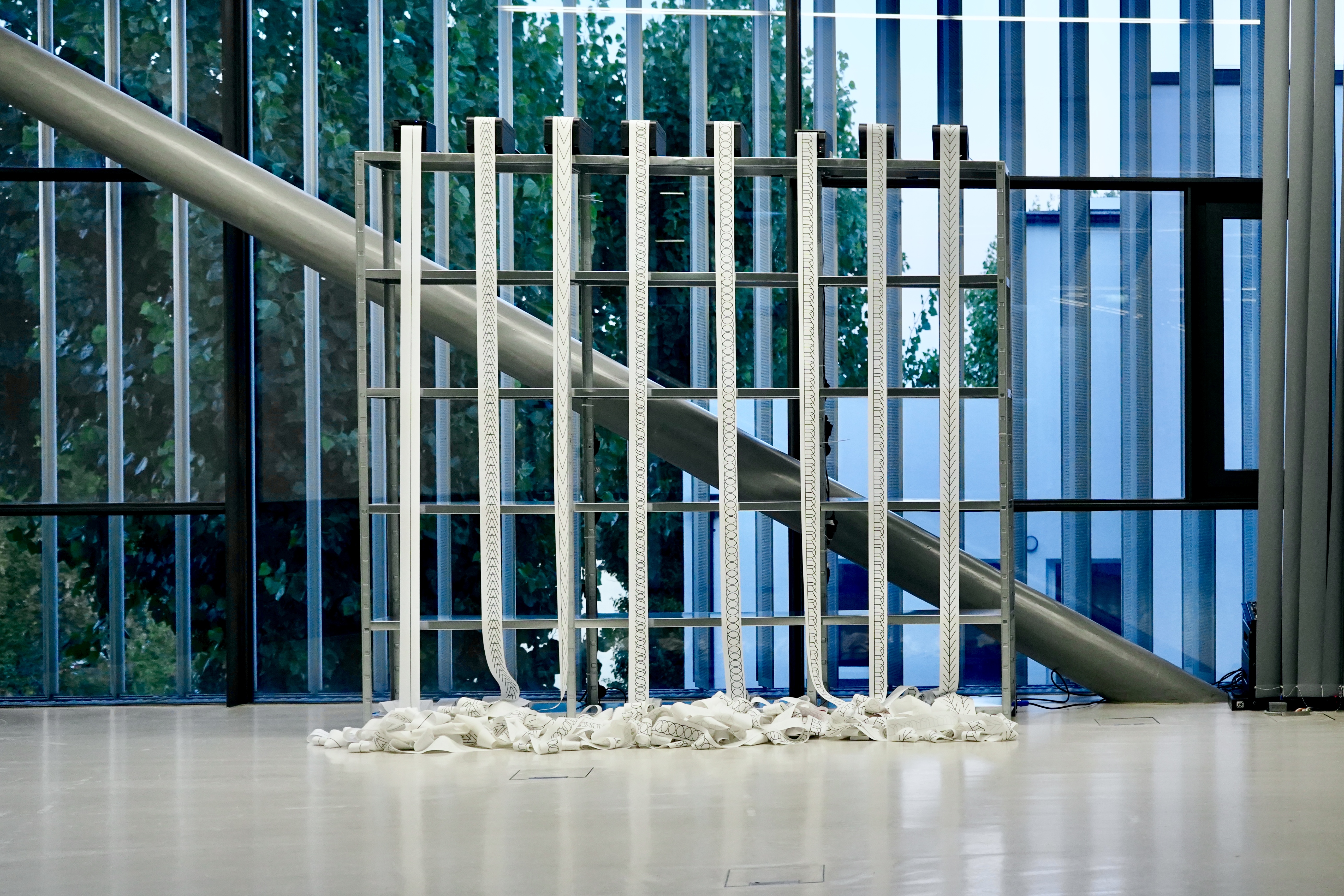
Artist: Robin Lütolf
Thermal printer, Python script (2025)
The speed at which armed conflicts spread via digital media is changing both the information landscape and the conditions under which we respond. „I AM SORRY“ explores this connection. Eight thermal printers react in real time to reports on current conflicts – not with analysis, but by continuously printing the phrase „I AM SORRY“.
„I AM SORRY“ appears as a pre-formulated emotional formula. In this serial repetition, not only is the event reproduced, but also a specific way of reacting to it. The phrase appears less as an individual statement than as a standardised form of response.
Drawing on Eva Menasse’s description of a societal pressure to make public declarations, the work stages an apology without a clearly identifiable speaker – neither clearly addressed nor concluded. Situated
between digital infrastructure and physical output, it models a relationship to events characterised by media timing, repetition and standardisation.
Location: Burg Schlaining
Exhibition "Colours of Peace"
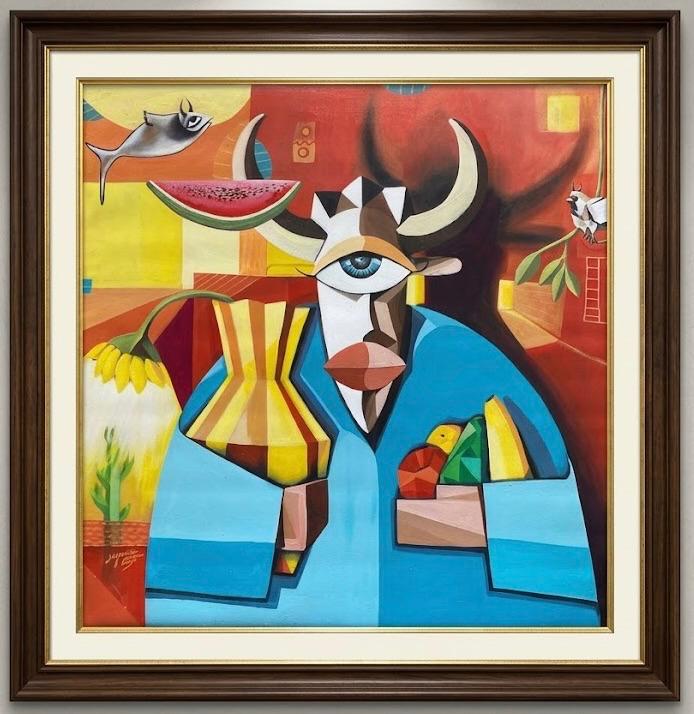
By the artists’ collective "The Silent Vow: Art from the Conflict Zone" (University of Juba, School of Art, Music & Drama):
Morgan Suleiman
Denis Angura
Juma Morris
Kiden Victoria Joel
Sarah Juma
The art collective "The Silent Vow" showcases works created in South Sudan’s conflict zones. Each piece is a testament to the unbreakable human spirit, transforming pain into colour, and offering healing to shattered communities. It is a collective promise to choose healing over hostility, and reconstruction over destruction. It is an acknowledgment that we must now channel every ounce of our collective energy, strength, and resilience into building a unified, harmonious world.
Location: Burg Schlaining
Registration
Event Venue
Event venue location info and gallery
Schlaining Castle, Burgenland, Austria
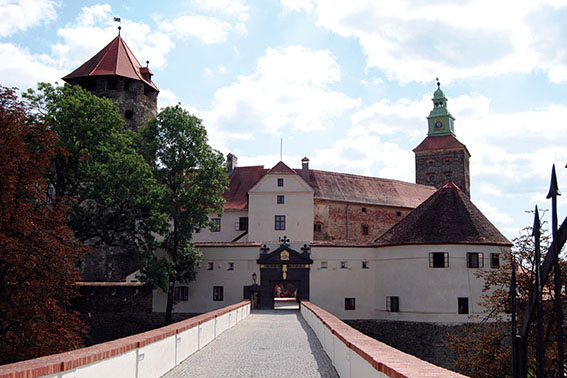
Schlaining Castle, standing tall with its meter-thick walls and imposing towers, is among Austria's best-preserved castles and now serves as a symbol of peace. Its origins trace back to 1271 when it was known as Castrum Zloynuk and belonged to the Güssing Counts. In the 15th century, Emperor Frederick III's conquest led to the castle's transfer to mercenary leader Andreas Baumkircher, sparking the infamous Baumkircher Feud. In 1527, King Ferdinand I entrusted the Batthyány family with the Lordship of Schlaining, setting the stage for their enduring influence. The castle underwent a transformation from fortress to opulent residence under their ownership. The turbulent events of 1848 saw the demise of the last Ludwig Batthyány, Hungarian Prime Minister, leading to the castle changing hands in 1849. Acquired by railway pioneer Dr. Franz Schmidt and later by DDDr. Udo Illig in 1957, the castle eventually became the property of Burgenland in 1980, marking a chapter in its ongoing historical narrative.
Visit Friedensburg |
Barrier-Free Access |
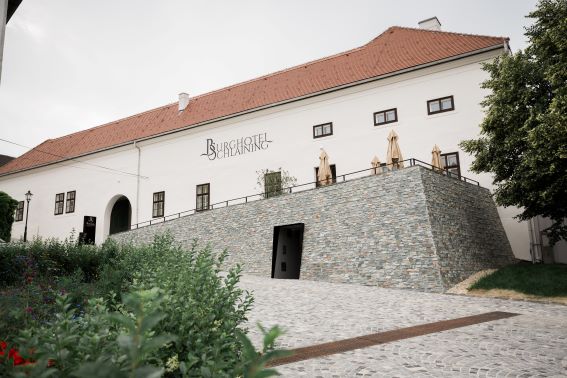
List of Accommodations

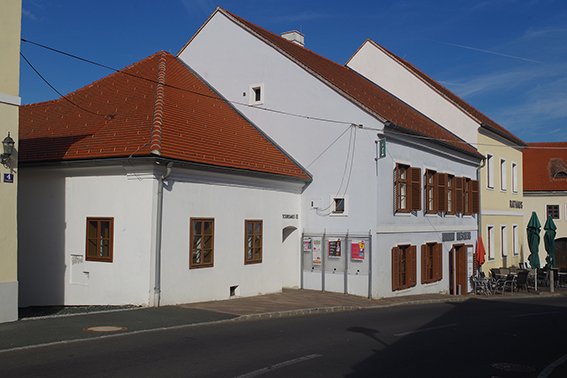


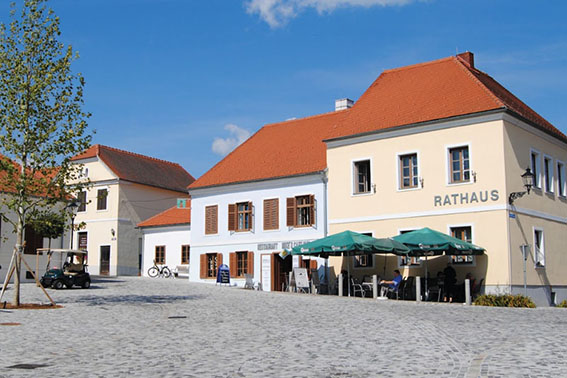

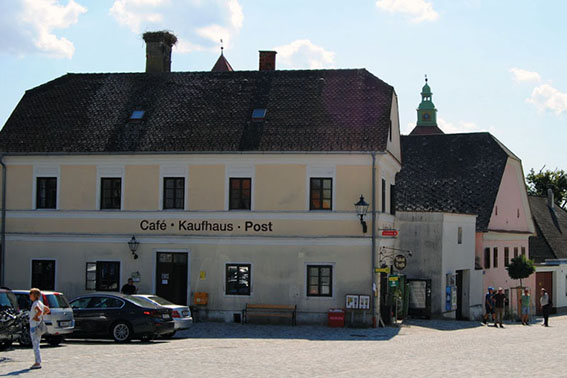

See What Is Around Our Beautiful Venue
Located in the easternmost part of Austria, Burgenland is a captivating region renowned for its diverse landscapes and rich cultural heritage. This picturesque area is a haven for nature enthusiasts, boasting vast vineyards, tranquil lakes, and rolling hills.
Beyond its natural splendor, Burgenland offers a treasure trove of historical and cultural attractions. The region's medieval castles and fortresses, including Burg Schlaining and Burg Güssing, stand as testaments to its fascinating past.
Burgenland's tourism is not only about natural beauty and history but also encompasses a vibrant cultural scene and a warm, welcoming atmosphere. The region hosts various cultural events and festivals throughout the year. Additionally, its indulgent hot springs and wellness resorts offer a serene retreat, inviting visitors to relax and rejuvenate while soaking in the region's tranquil ambiance. With its harmonious blend of nature, history, and culture, Burgenland beckons travelers seeking an authentic and unforgettable experience in Austria.


Gallery
Check out some Images from the Austrian Forum for Peace 2026
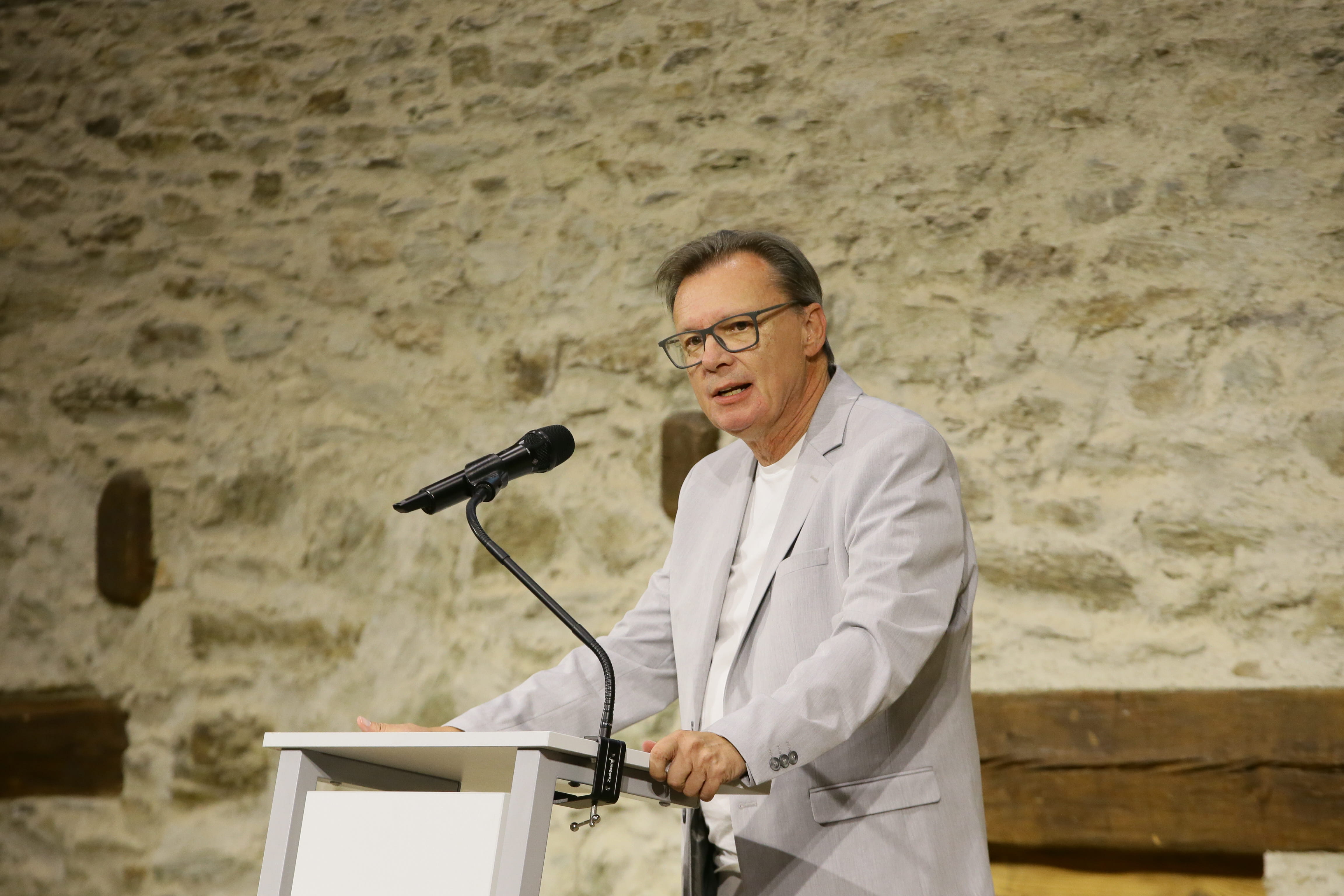
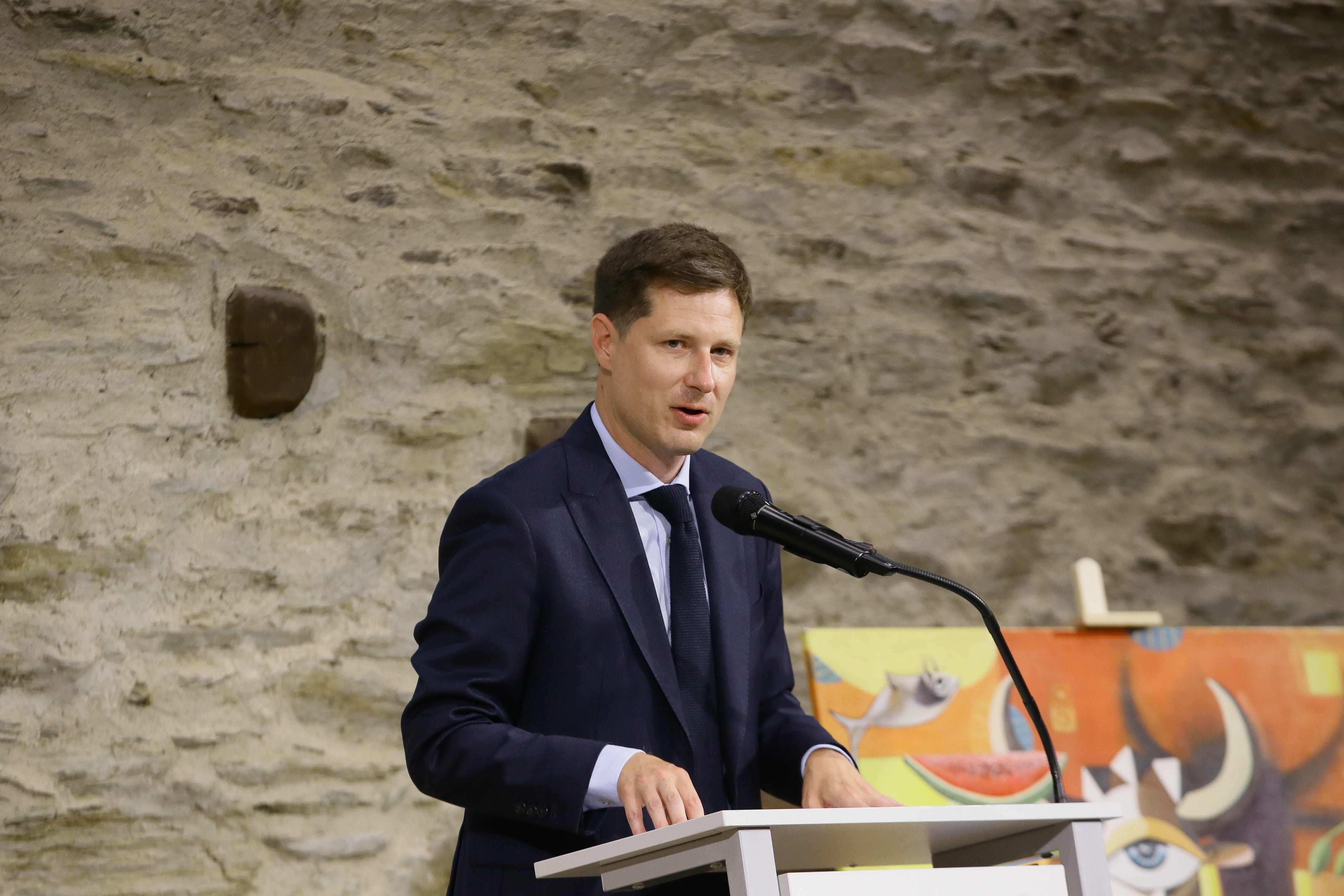 Opening Segment: Tobias Lang (Director of the Austrian Centre for Peace) (c) Foto Lexi
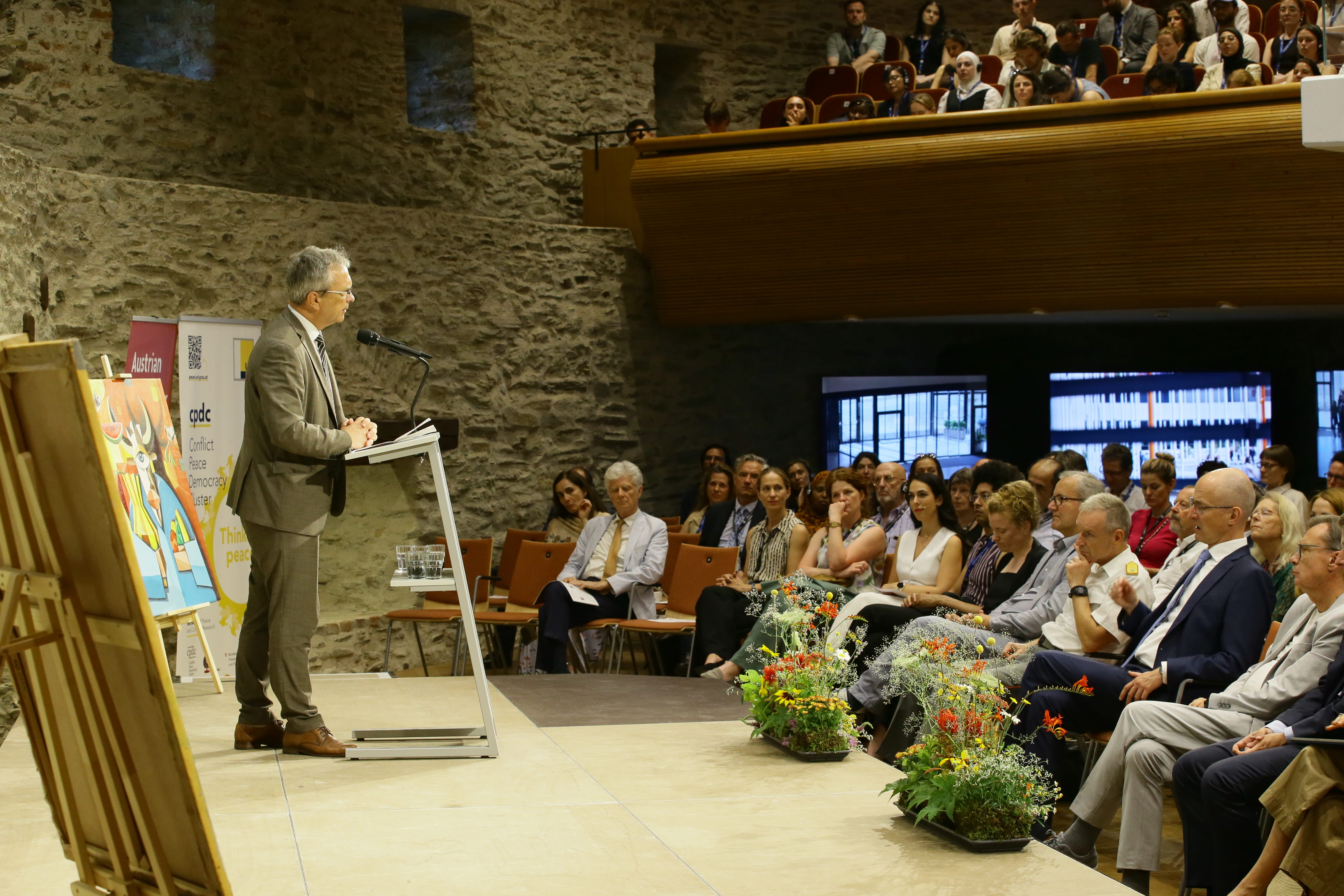
 Opening Segment: Norbert Darabos (President of the Austrian Centre for Peace) (c) Foto Lexi
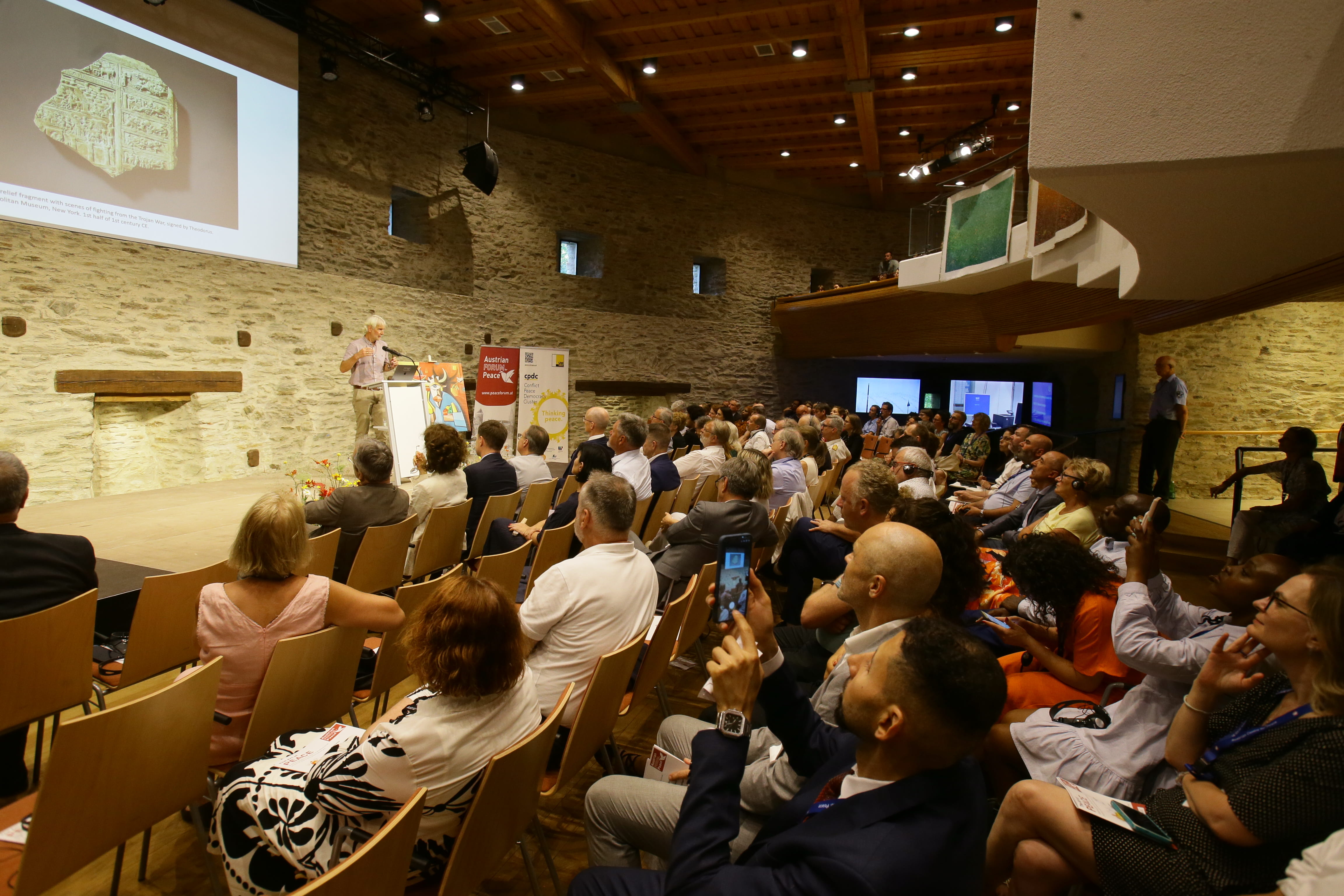
 Opening Segment: Peter Riedler (Rector University of Graz) (c) Foto Lexi
 Opening Segment: Keynote Speaker Oliver Richmond (c) Foto Lexi
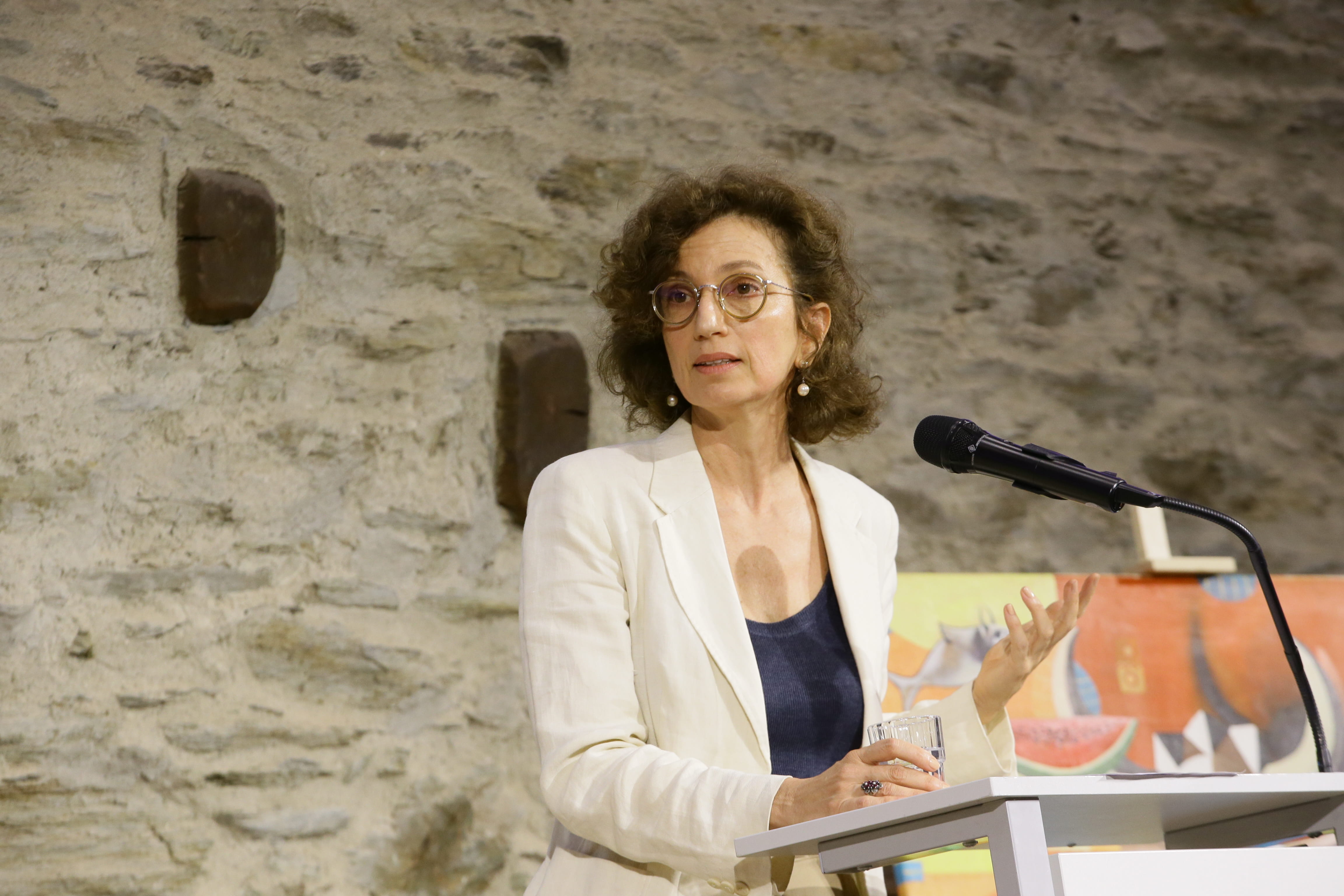 Opening Segment: Keynote Speaker Audrey Azoulay (c) Foto Lexi
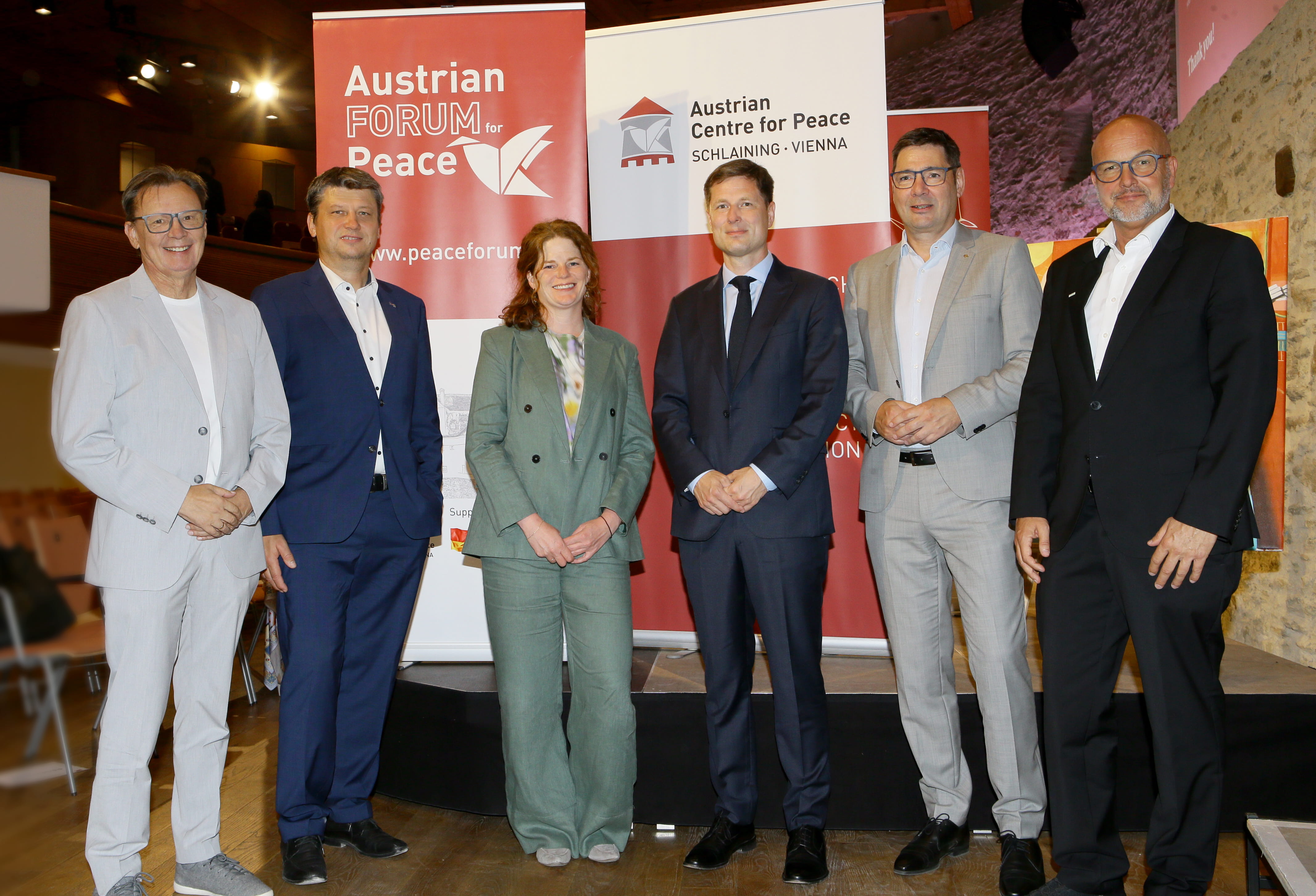 Opening Segment: f.l.t.r.: Norbert Darabos (President of the Austrian Centre for Peace), Bernadette Holzer (Conference Director, Austrian Centre for Peace), Keynote Speaker Oliver Richmond, Keynote Speaker Audrey Azoulay, Tobias Lang (Director of the Austrian Centre for Peace), Ronald Reiter (Director of the Burgenland Provincial Office), Peter Riedler (Rector University of Graz) (c) Foto Lexi
Download
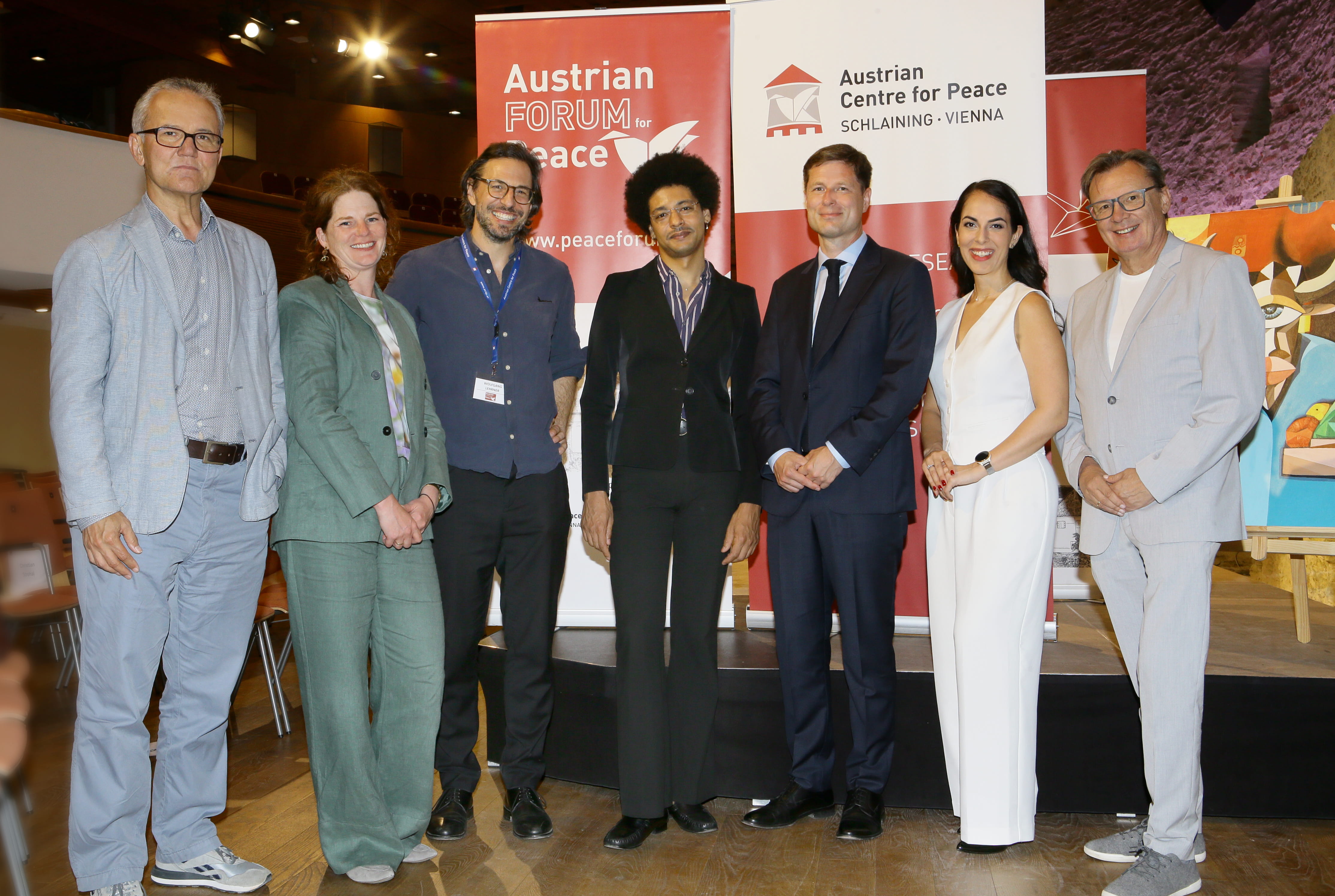 Opening Segment: f.l.t.r.: Norbert Darabos (President of the Austrian Centre for Peace), Thomas Bernhardt (Bank Burgenland), Bernadette Holzer (Conference Director, Austrian Centre for Peace), Tobias Lang (Director of the Austrian Centre for Peace), Dieter Moritz (Wiener Städtische), Martin Geiger (Siemens) (c) Foto Lexi
Download
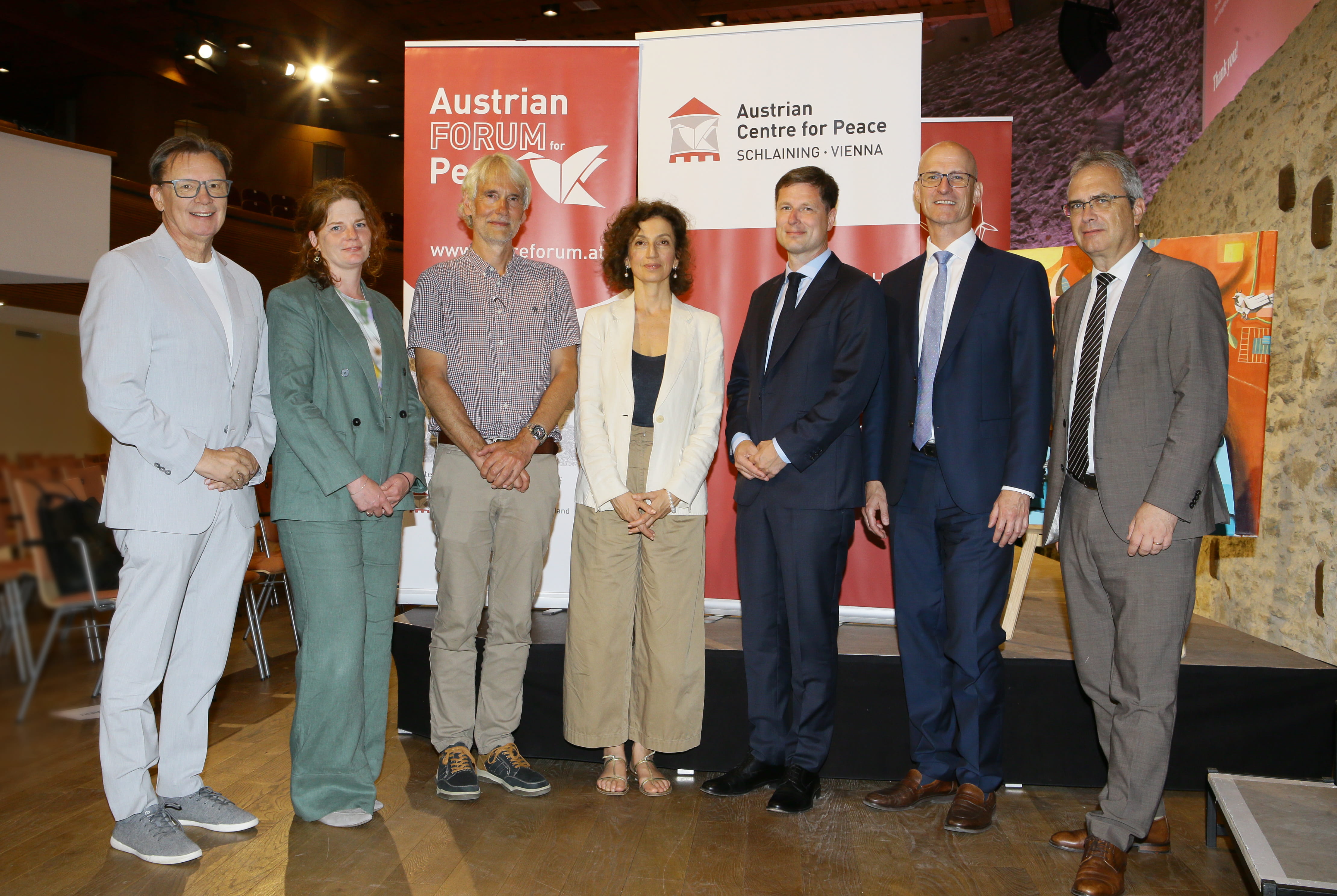 Opening Segment: f.l.t.r.: Martin Fritz (Austrian National Commission for UNESCO, Secretary-General), Bernadette Holzer (Conference Director, Austrian Centre for Peace), Wolfgang Lehrner (Artist), Robin Lütolf (Artist), Tobias Lang (Director of the Austrian Centre for Peace), Damita Pressl (Moderation), Norbert Darabos (President of the Austrian Centre for Peace) (c) Foto Lexi
Download
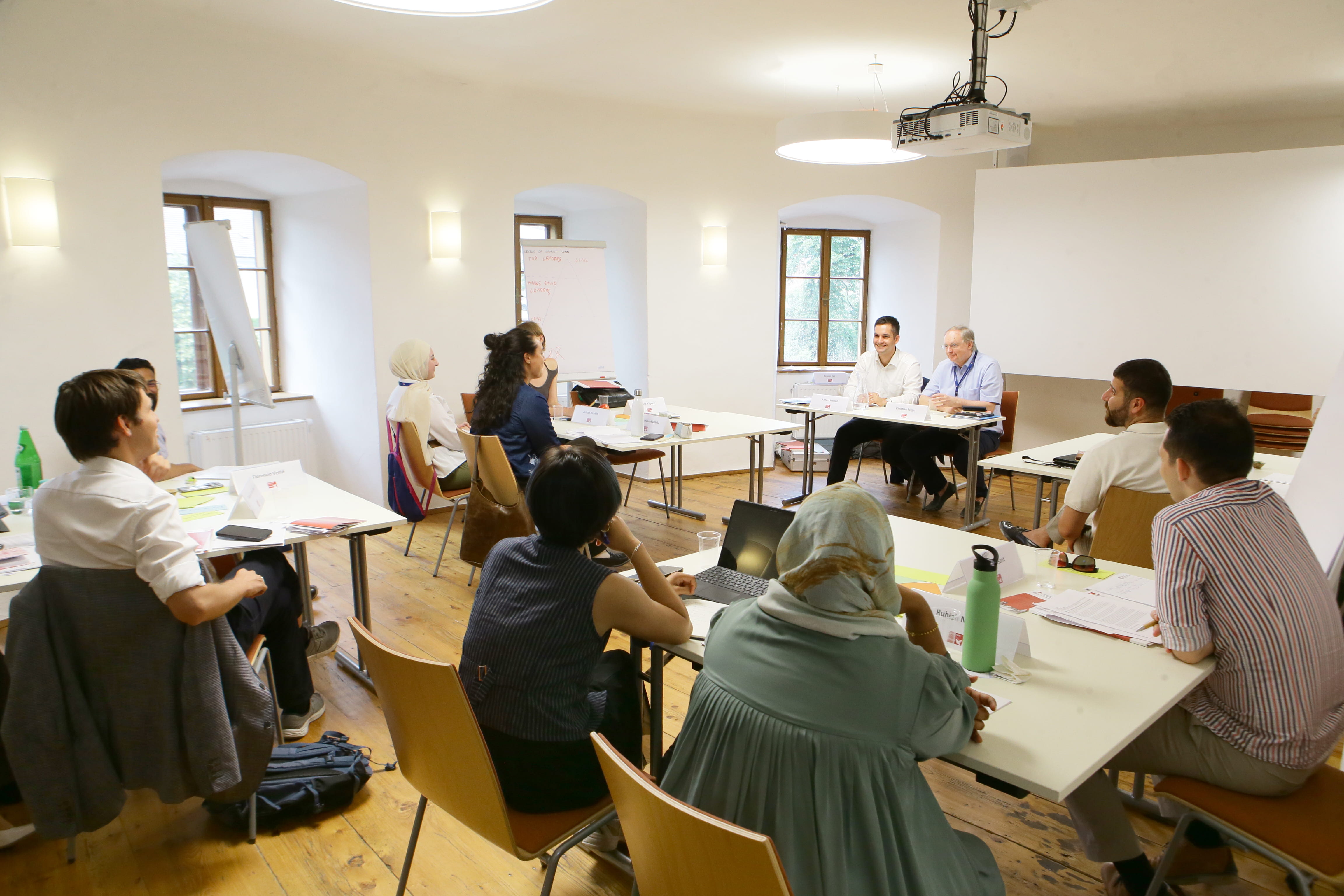 Summer School "The Middle East Conflict" (c) Foto Lexi
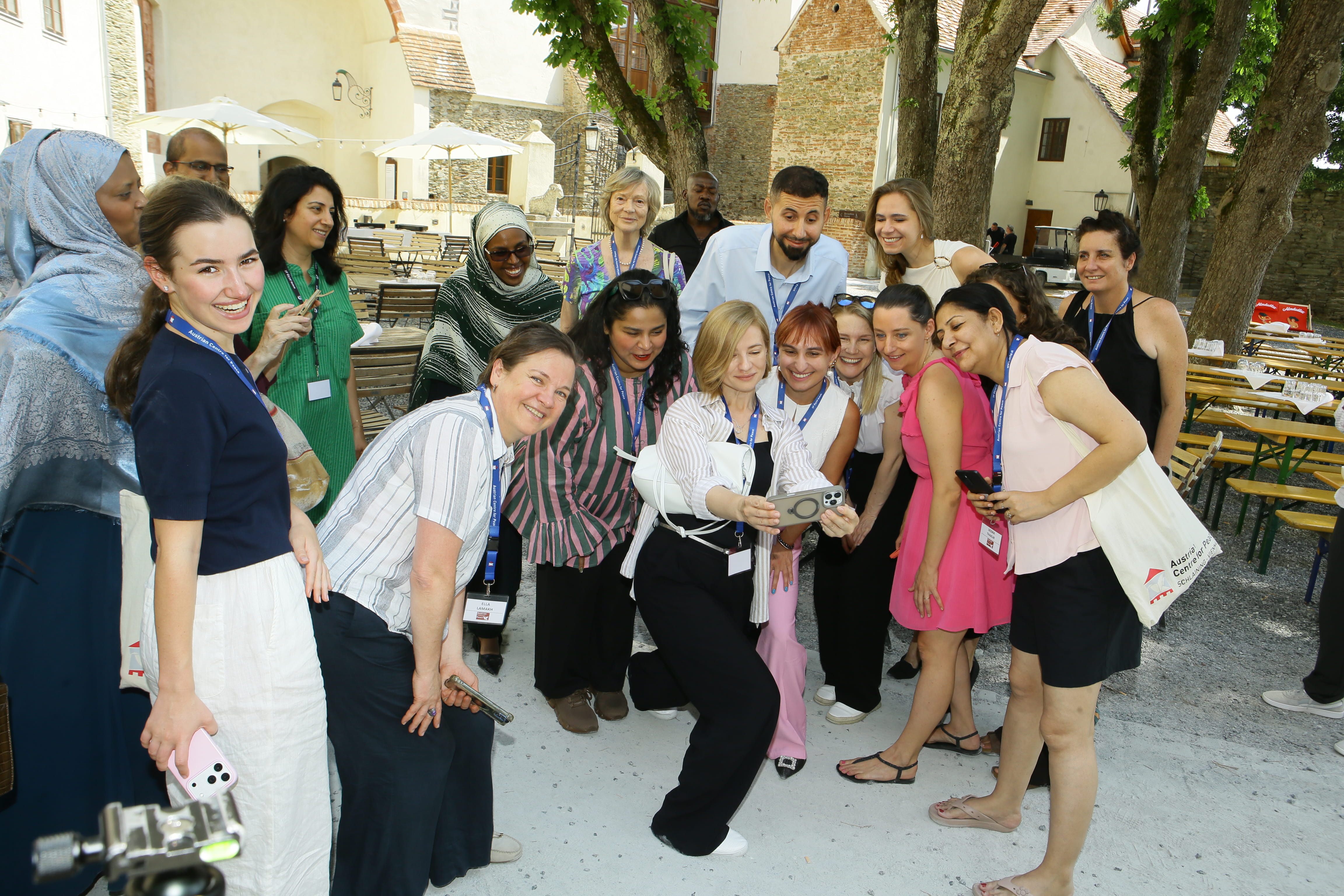 Workshop "Technology for Peace – Empowering Women and Youth at the Grassroots" (c) Foto Lexi
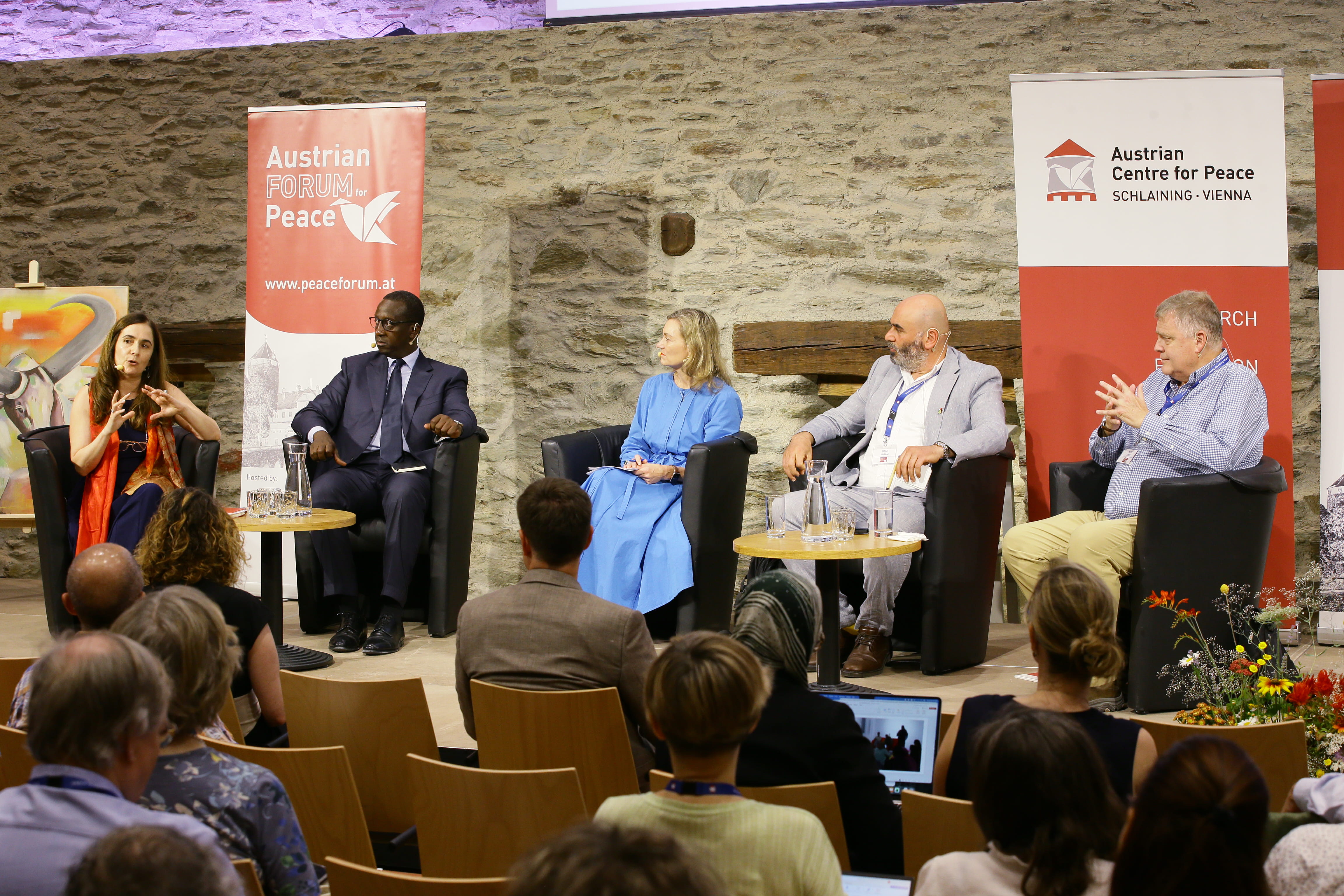 Panel Discussion "Rethinking Peacebuilding and Mediation in an Evolving Global Order" f.l.t.r.: Anna Hess (ACP Advisory Board Member, Research Associate with the Geneva Graduate Institute), Itonde Kakoma (CEO and President of Interpeace), Chris Coulter (Executive Director of Berghof Foundation), Imad Karam (Senior Peacebuilder and Filmmaker), Peter Jones (Ottawa University) (c) Foto Lexi
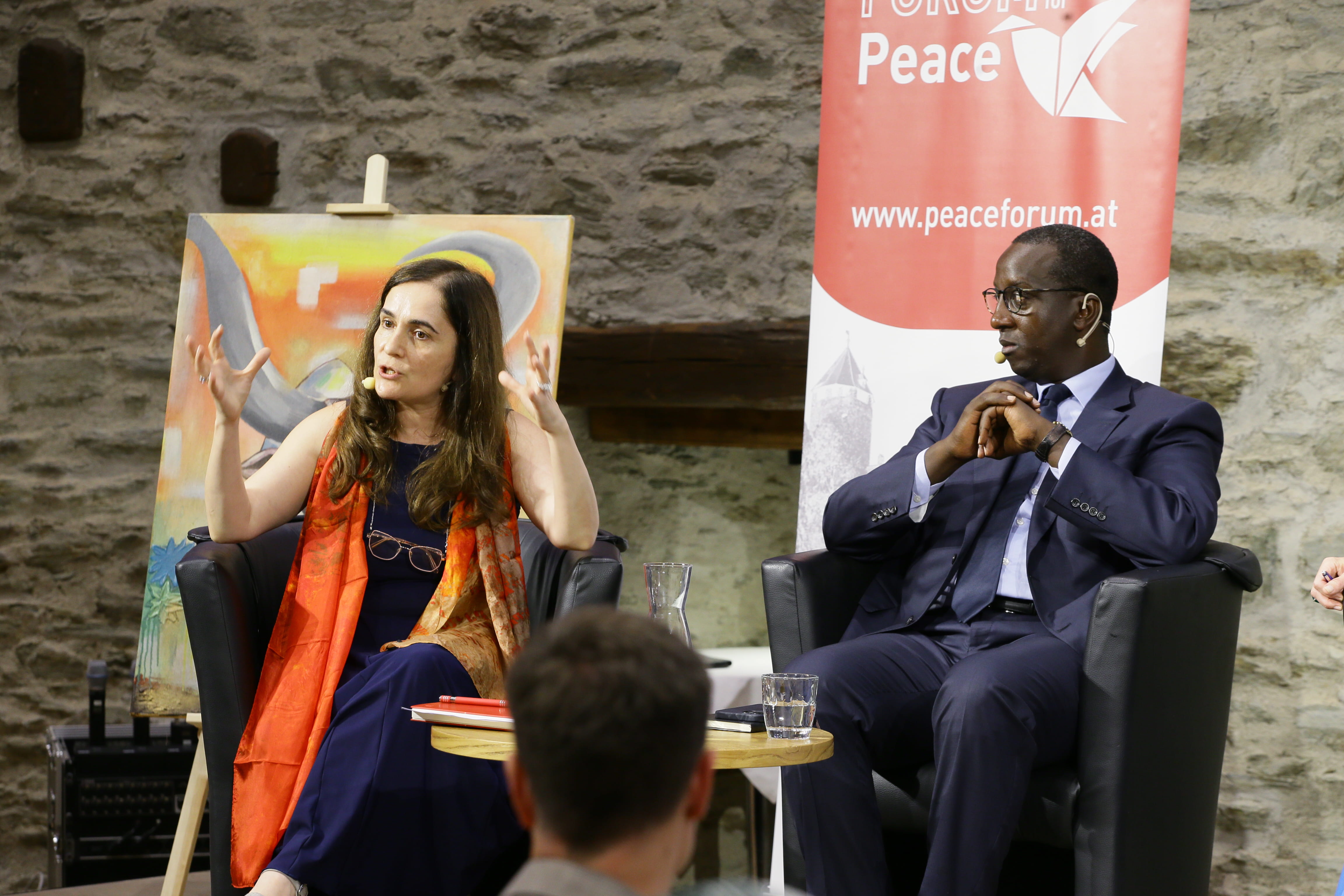 Anna Hess (ACP Advisory Board Member, Research Associate with the Geneva Graduate Institute) and Itonde Kakoma (CEO and President of Interpeace) (c) Foto Lexi
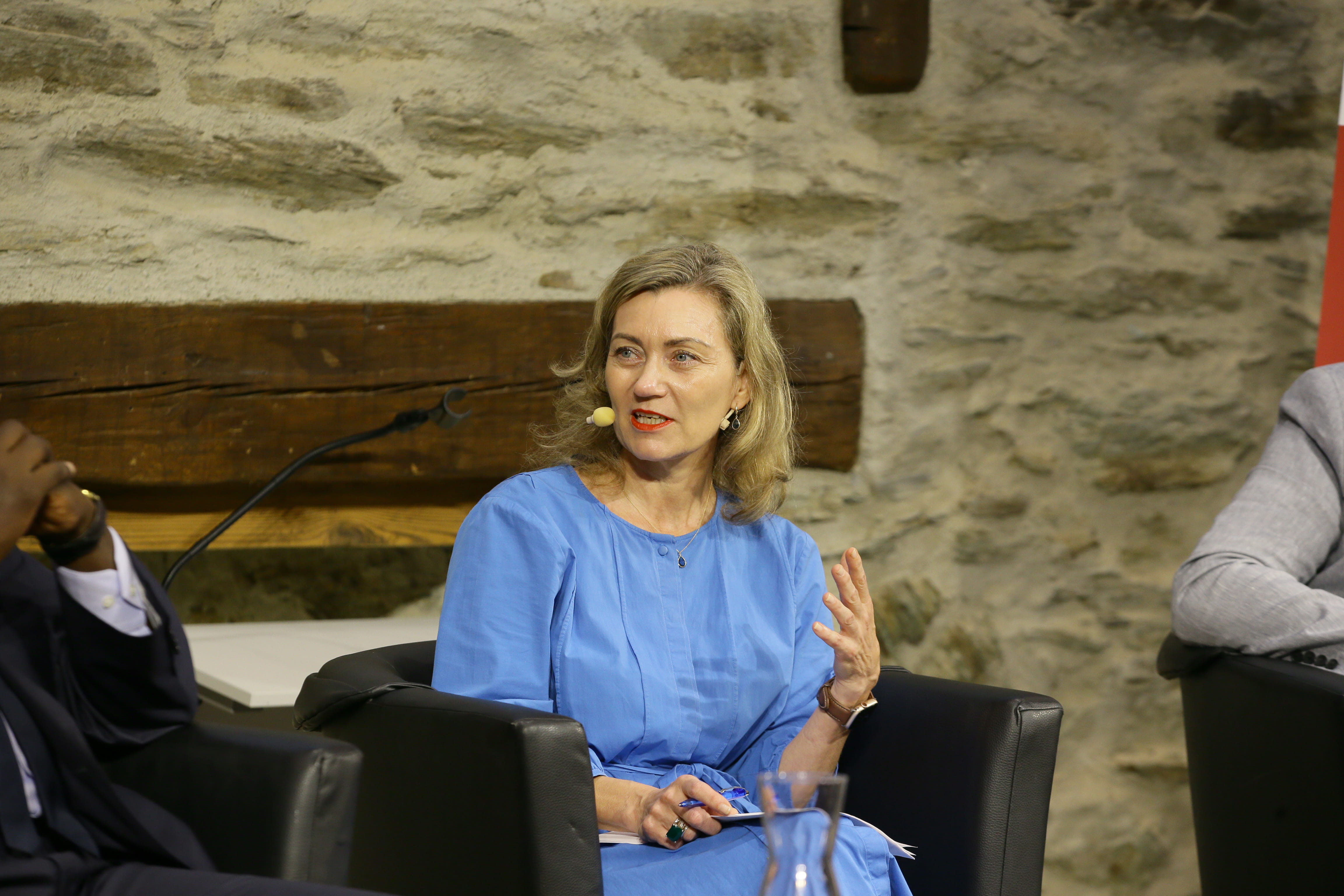 Chris Coulter (Executive Director of Berghof Foundation) (c) Foto Lexi
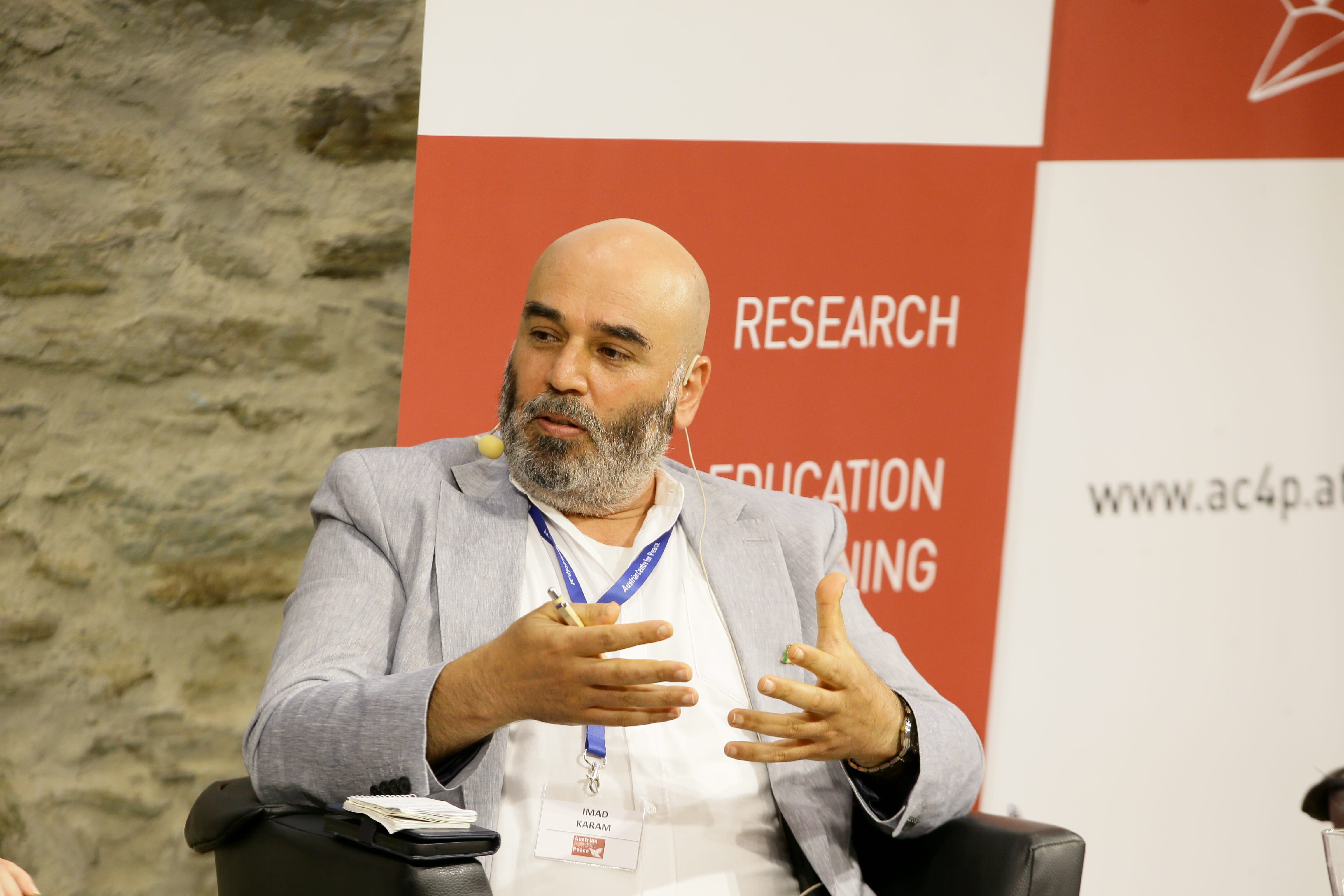 Imad Karam (Senior Peacebuilder and Filmmaker) (c) Foto Lexi
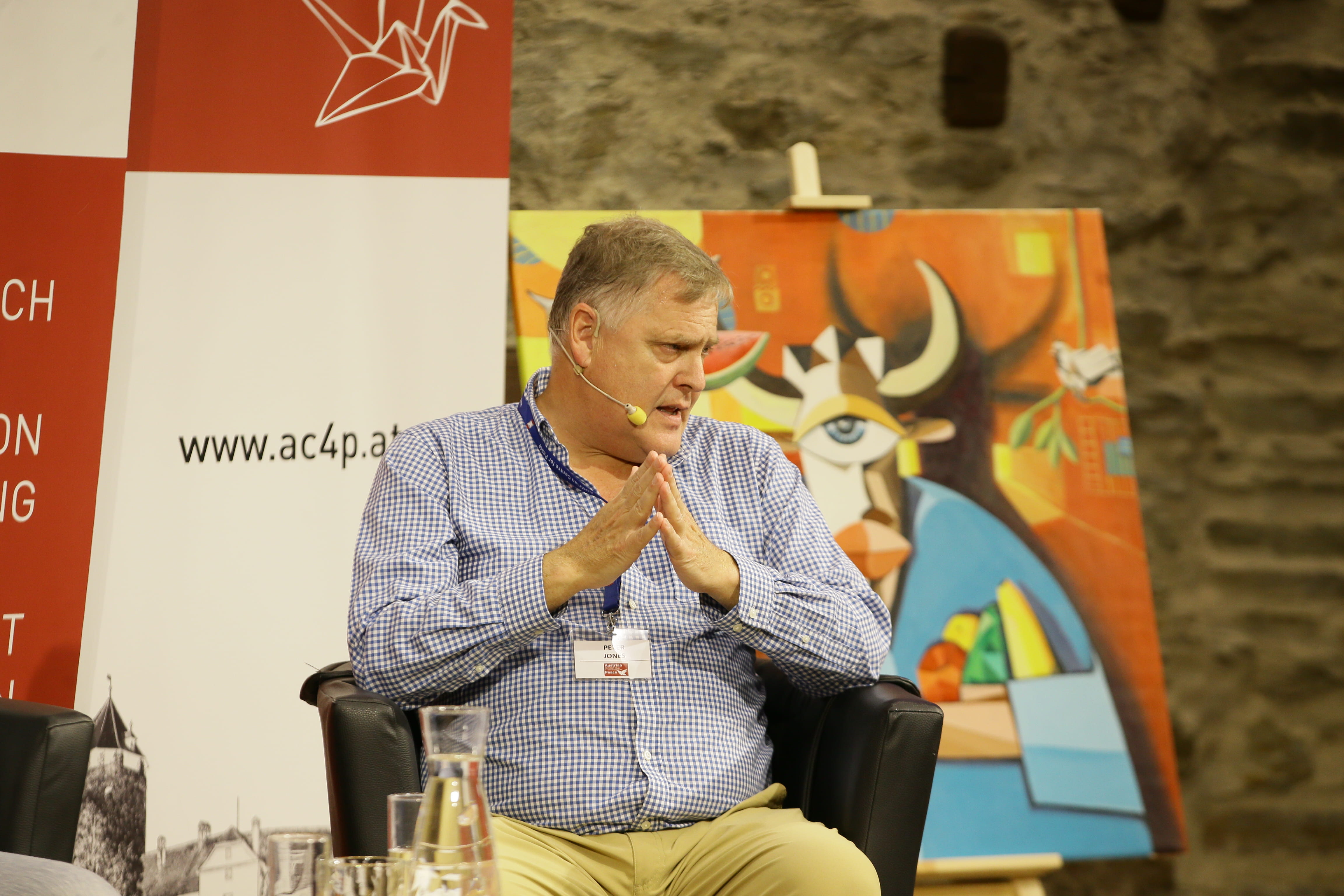 Peter Jones (Ottawa University) (c) Foto Lexi
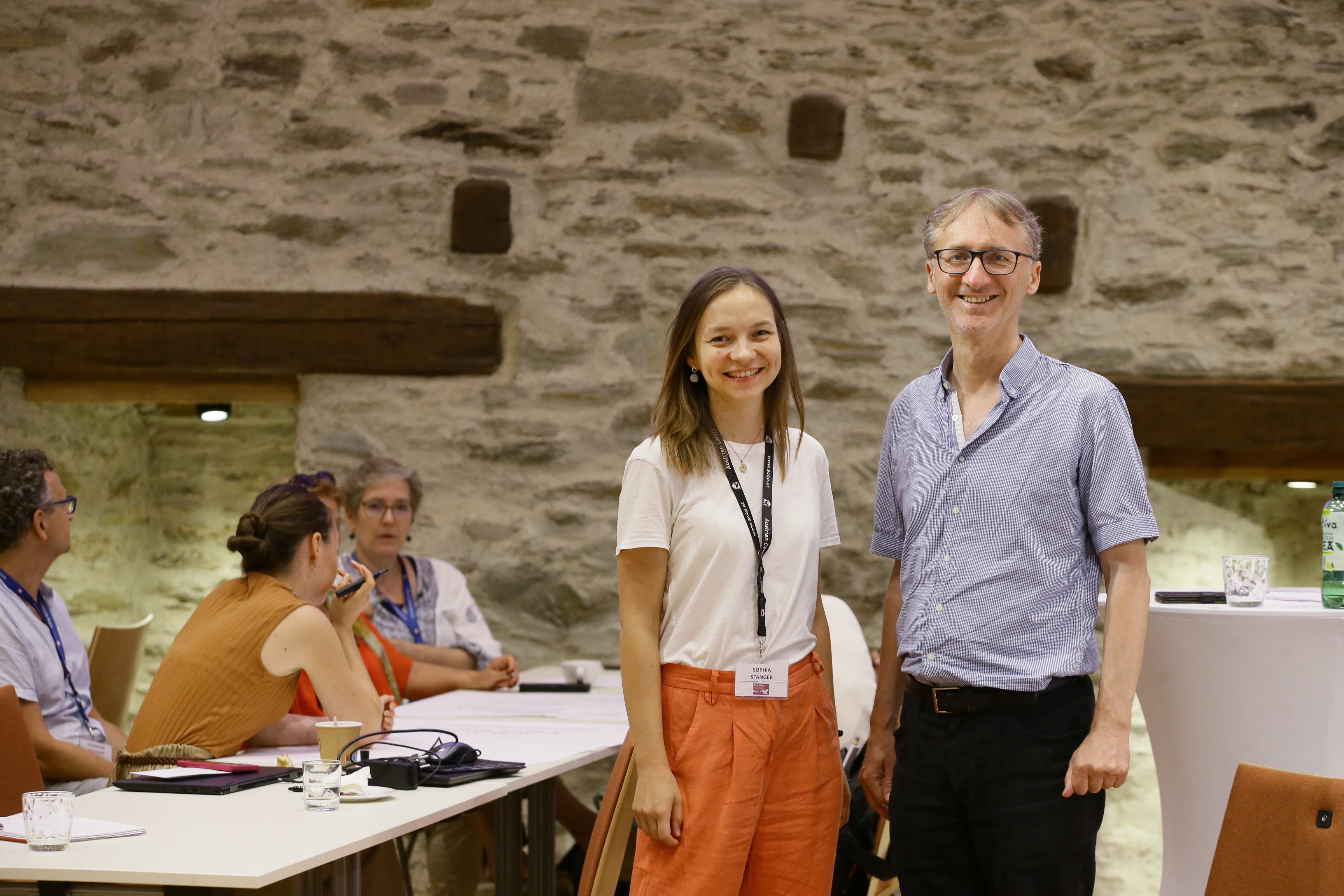 Hosts of the workshop “Umwelt- und Klimakonflikte im Wandel”: Sophia Stanger and Wolfgang Weilharter (both ACP) (c) Foto Lexi
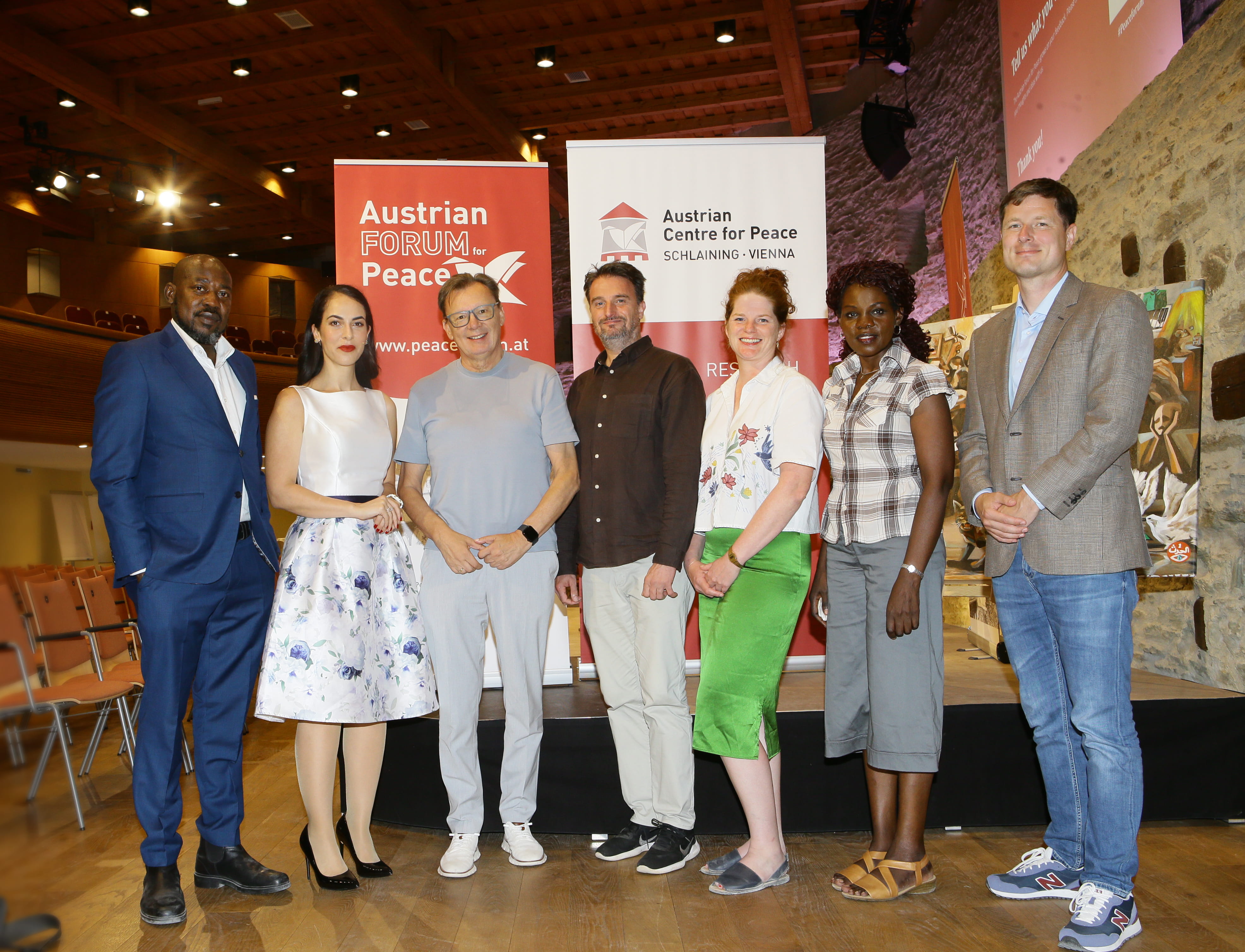 Spotlight Conversation "Practicing Peace Under Fire - The Case of Sudan" f.l.t.r.: Alsanosi Adam (External Communications Coordinator for the Emergency Response Rooms of Sudan, Right Livelihood Award laureate), Damita Pressl (Journalist and Moderator), Norbert Darabos (President of the Austrian Centre for Peace), Jan Pospisil (ACP Advisory Board Member, Affiliated Researcher at the Austrian Institute for International Affairs and co-investigator in the PeaceRep), Bernadette Holzer (Conference Director, Austrian Centre for Peace), Winnifred Bedigen (Lecturer at the University of Leeds, specialising in African indigenous knowledge systems, peacebuilding and gender in post-conflict societies), Tobias Lang (Director of the Austrian Centre for Peace) (c) Foto Lexi
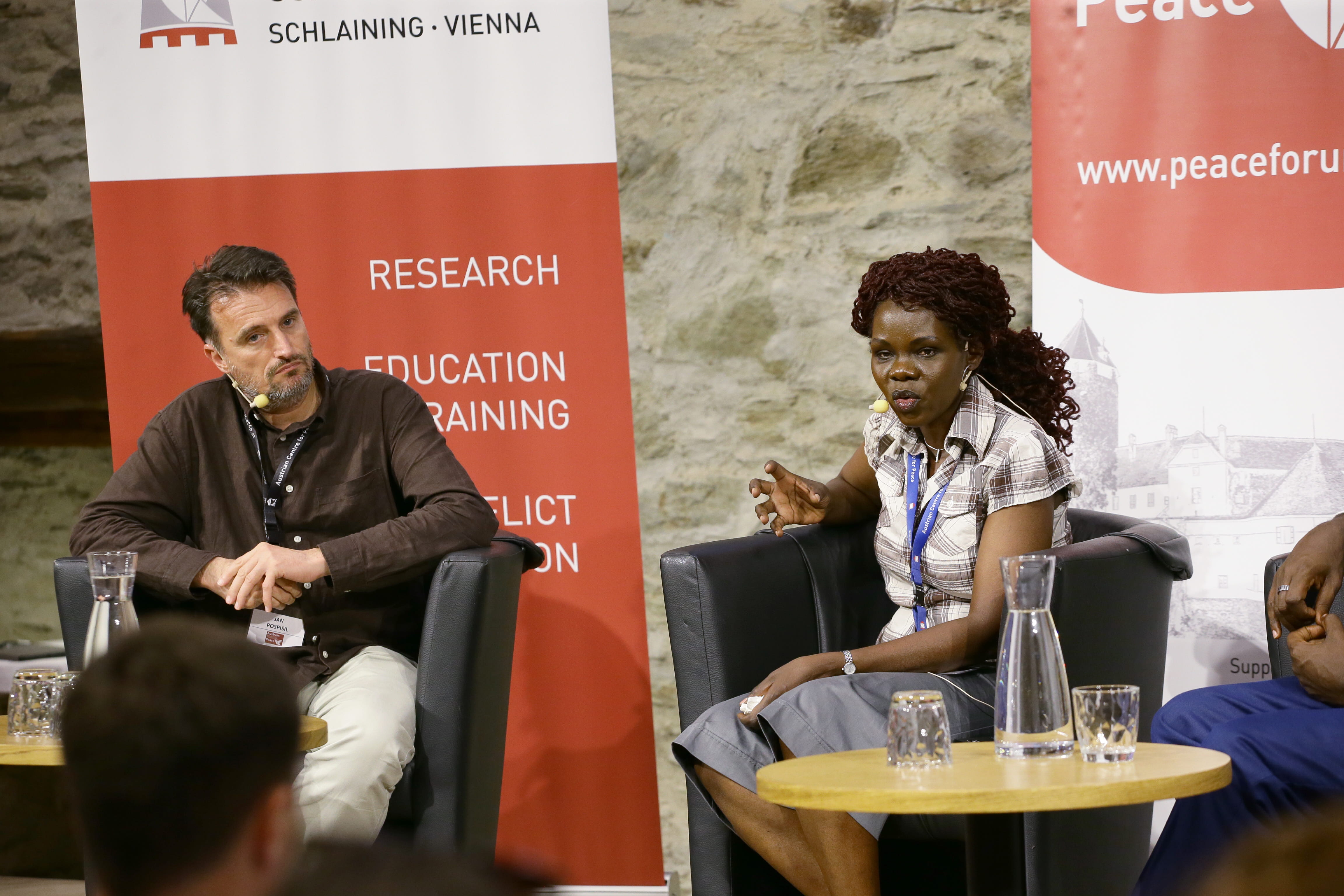 Jan Pospisil (ACP Advisory Board Member, Affiliated Researcher at the Austrian Institute for International Affairs and co-investigator in the PeaceRep) and Winnifred Bedigen (Lecturer at the University of Leeds, specialising in African indigenous knowledge systems, peacebuilding and gender in post-conflict societies) (c) Foto Lexi
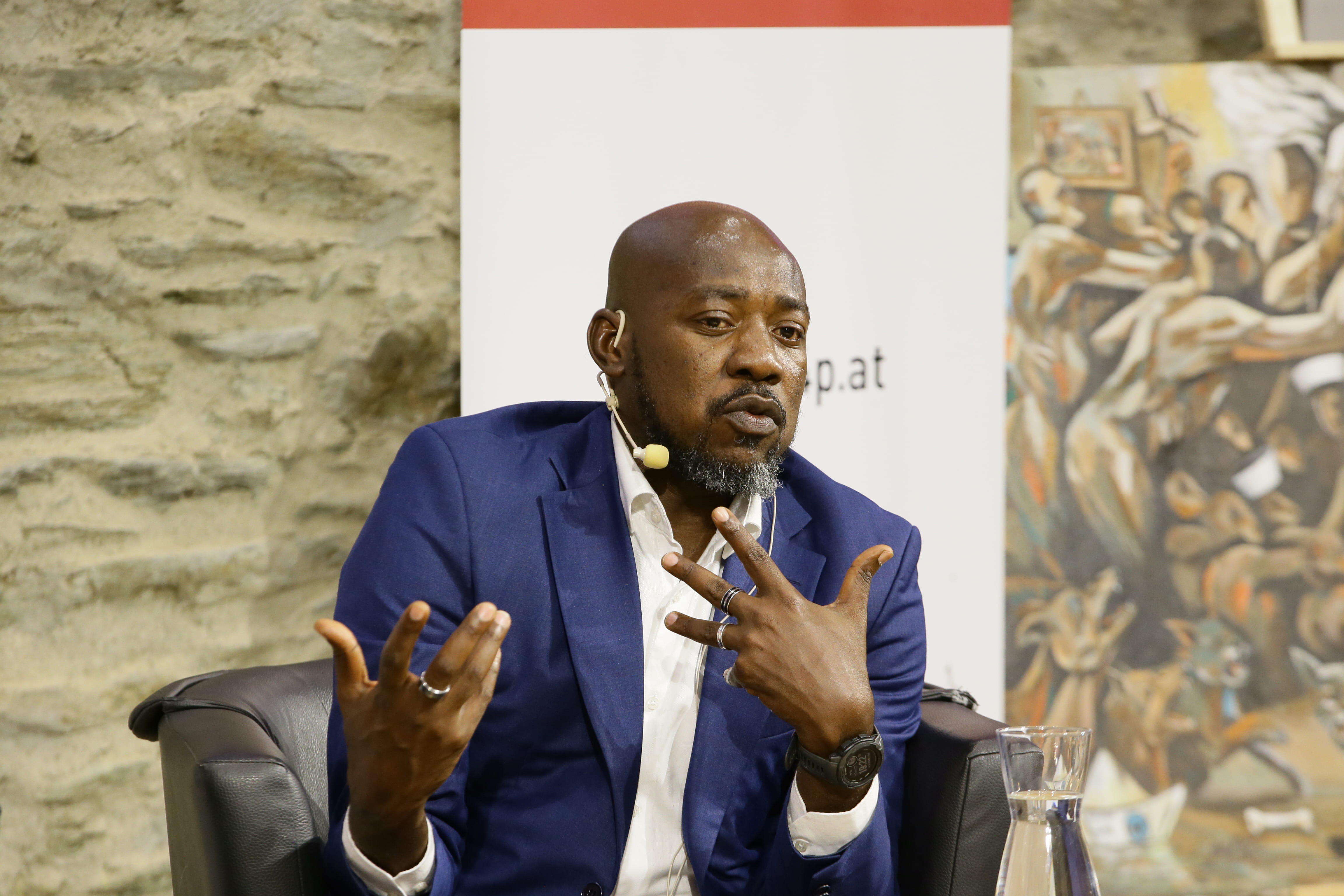 Alsanosi Adam (External Communications Coordinator for the Emergency Response Rooms of Sudan, Right Livelihood Award laureate) (c) Foto Lexi
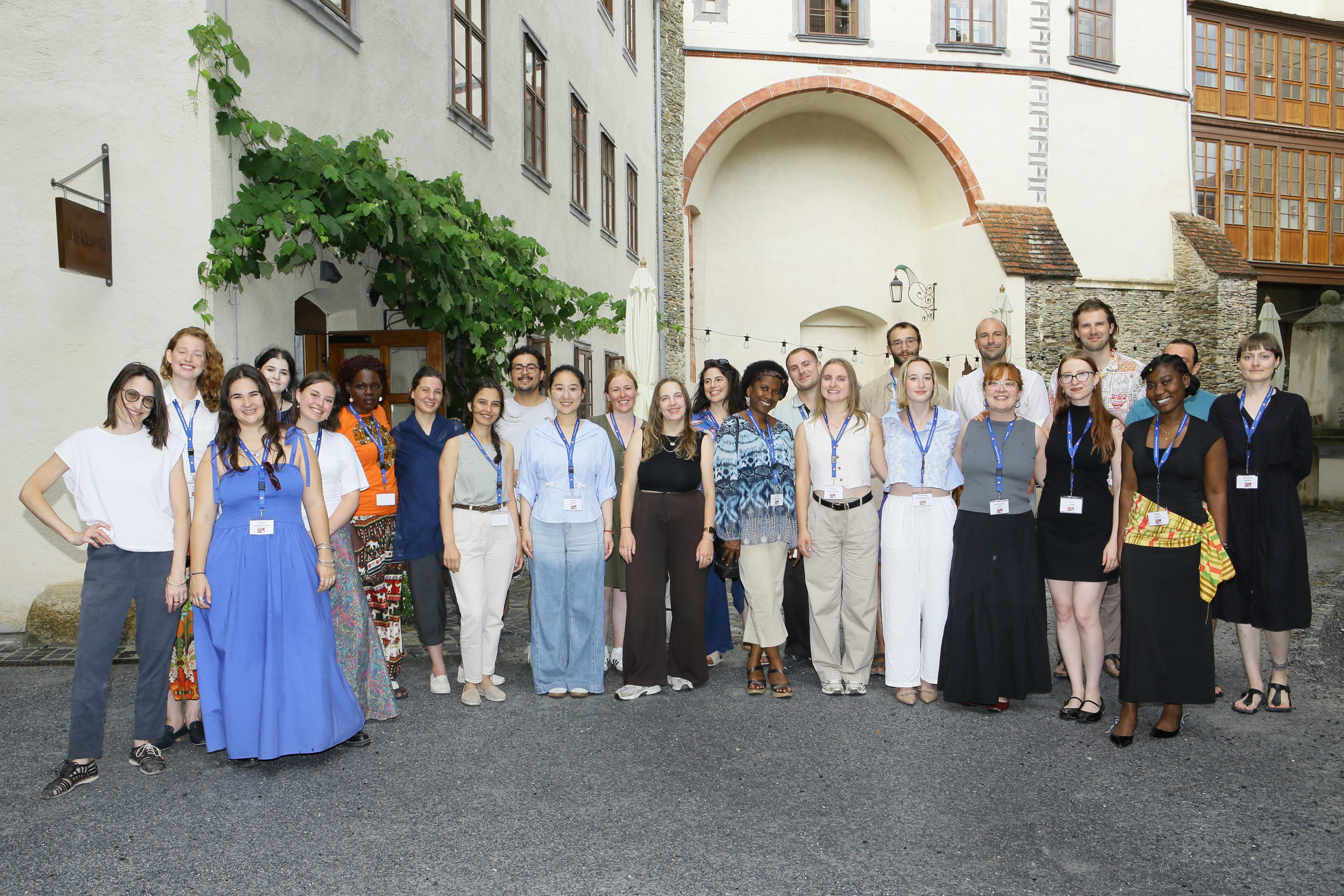 Summer School "Decolonial Peacebuilding" (c) Foto Lexi
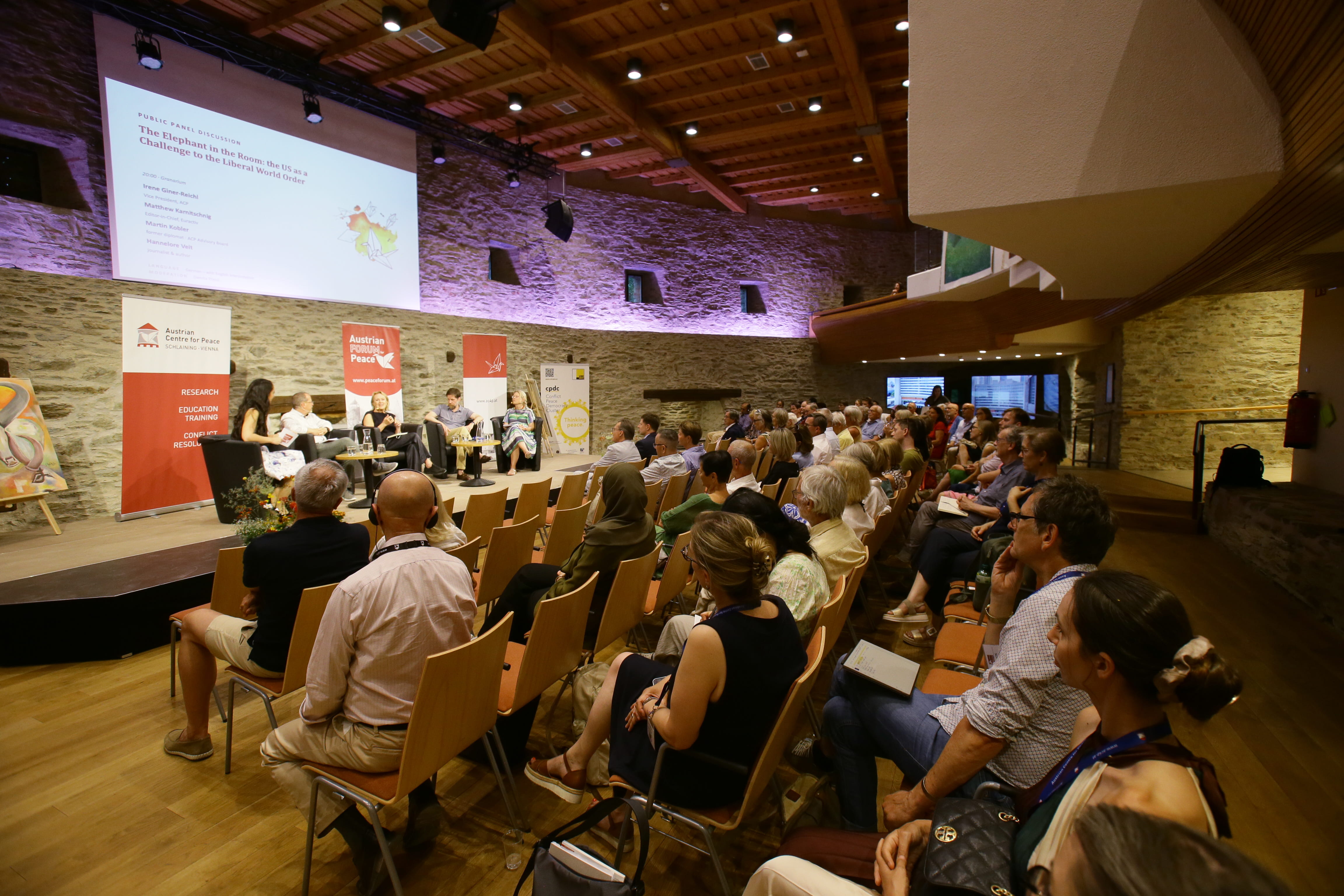 Public Paneldiscussion "Der Elefant im Raum: Die USA als Herausforderung für die liberale Weltordnung" (c) Foto Lexi
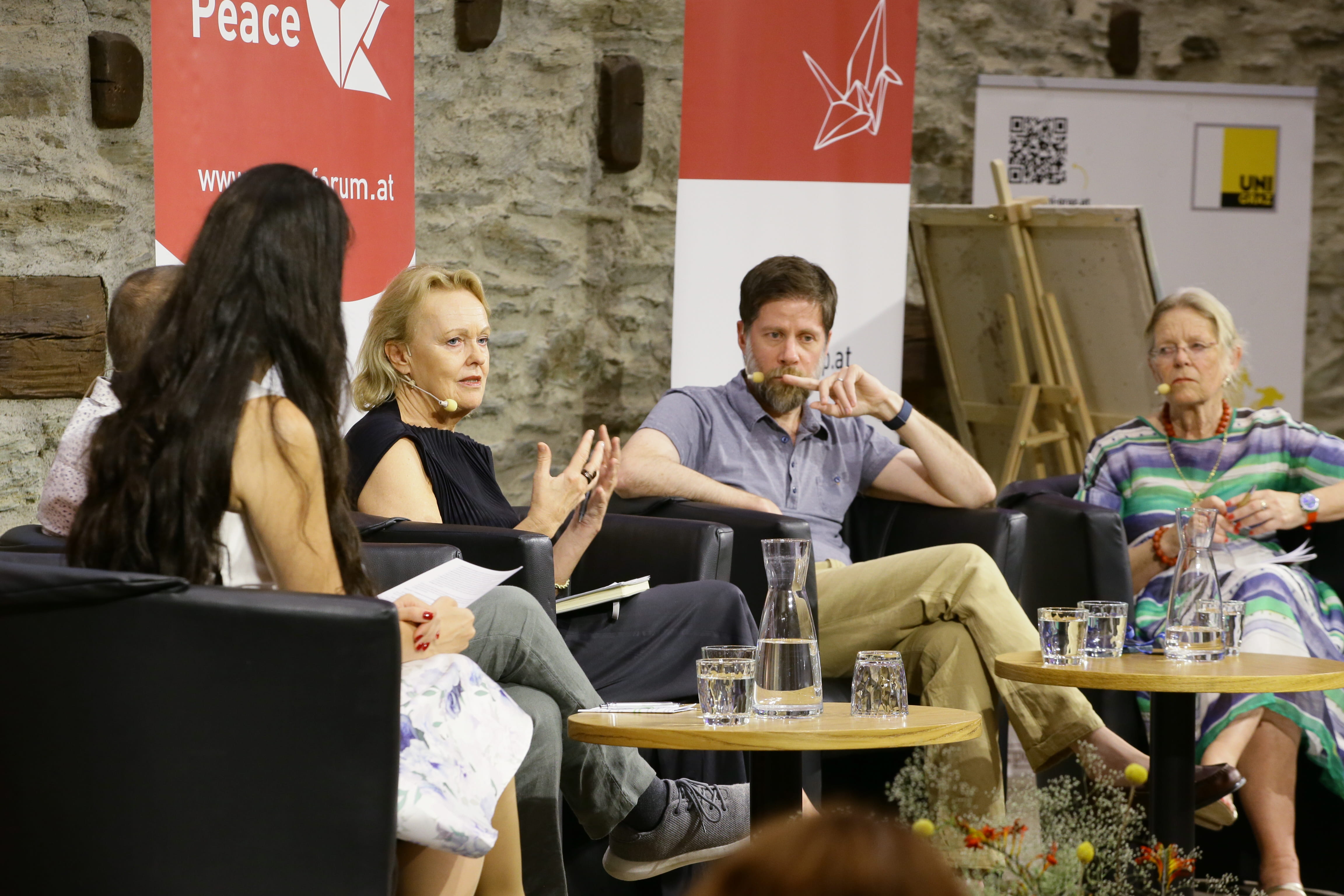 f.l.t.r.: Damita Pressl (Journalist and Moderator), Hannelore Veit (Moderator and Vice President of the ÖAG), Matt Karnitschnig (Editor-in-Chief euractiv), Irene Giner-Reichl (Vice President of the ACP and President of Global Forum on Sustainable Energy) (c) Foto Lexi
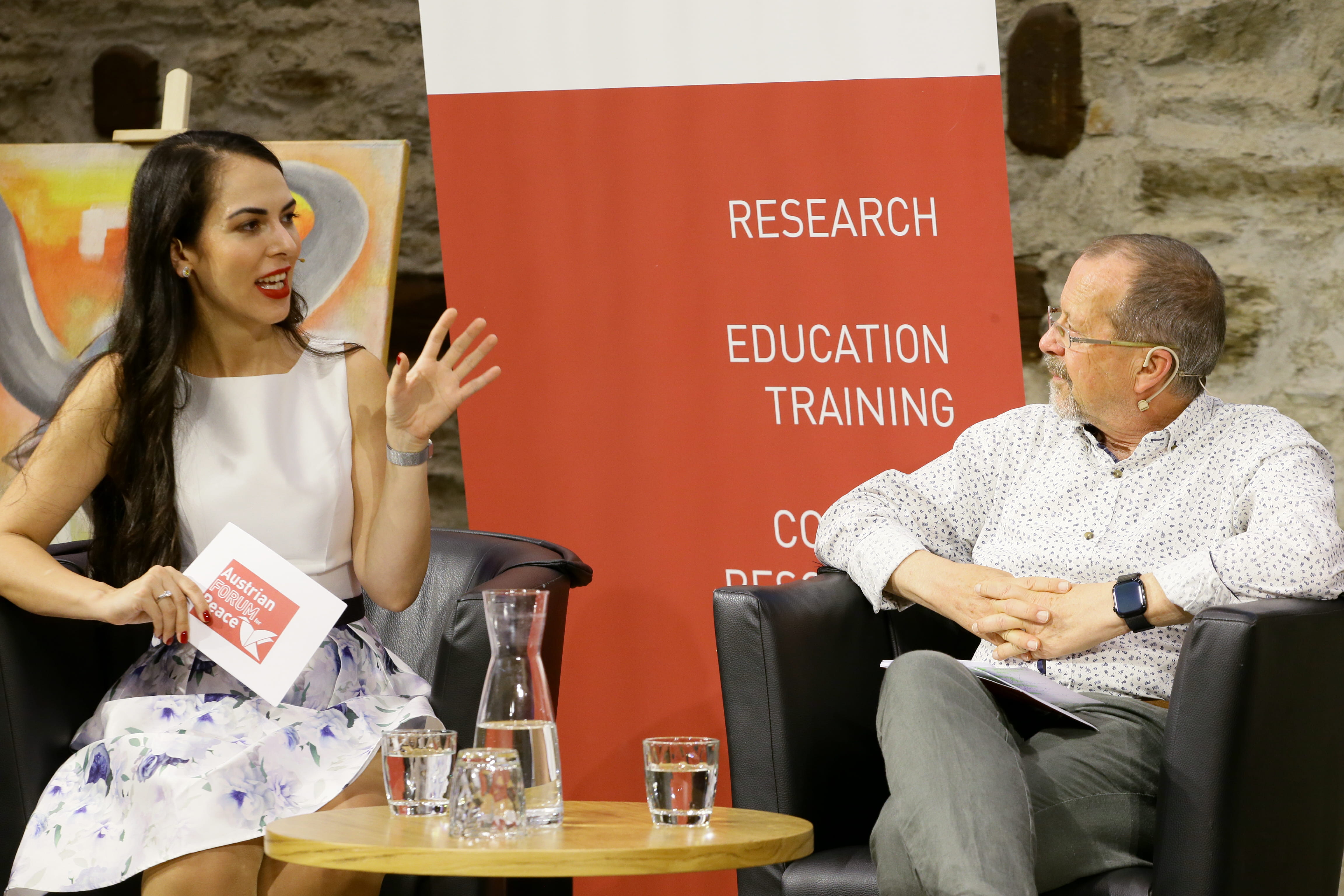 f.l.t.r.: Damita Pressl (Journalist and Moderator) and Martin Kobler (ACP-Advisory Board Member and Diplomat) (c) Foto Lexi
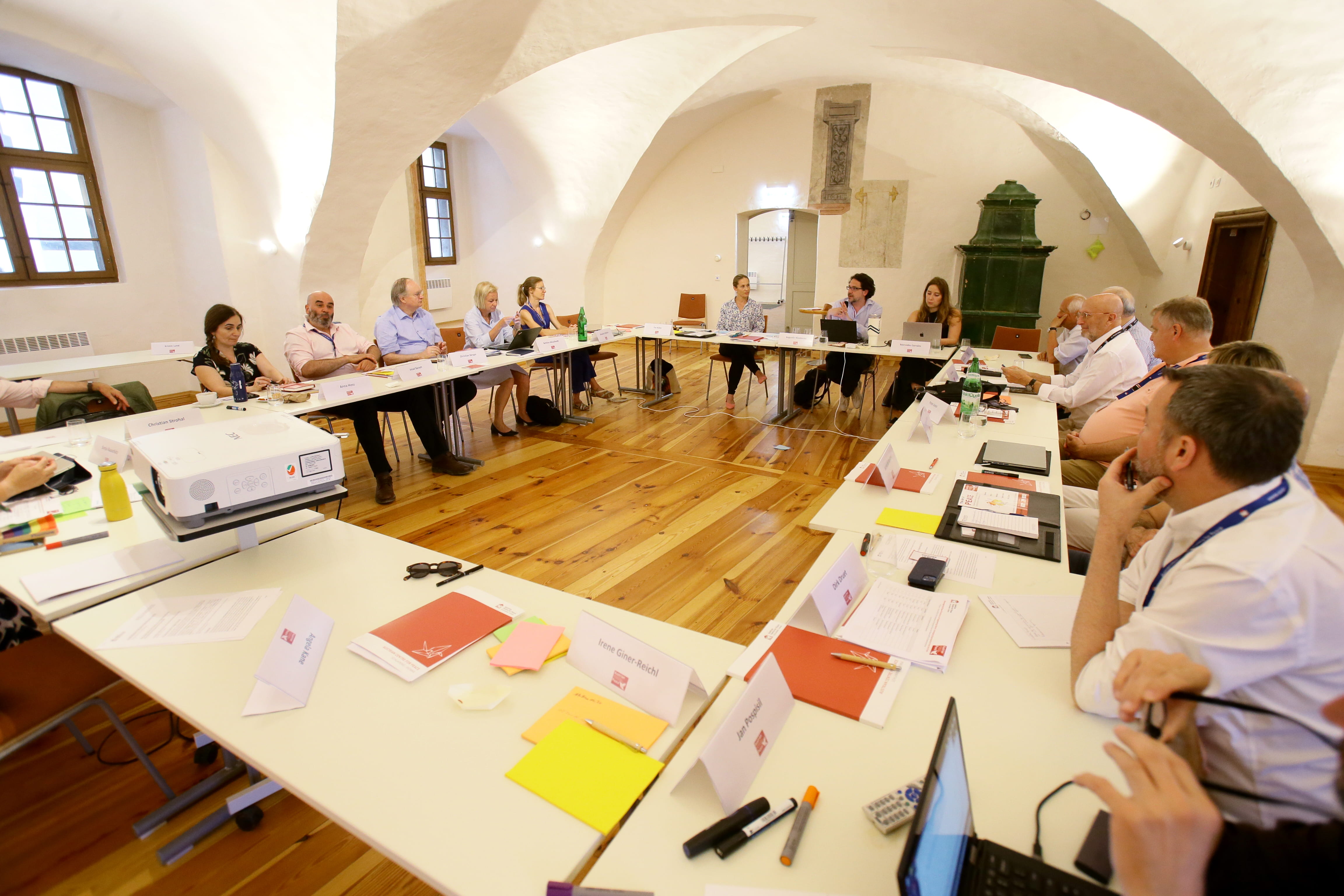 Workshop "Reimagining Peace Practice in a Fragmenting World – Emerging Approaches from the Field" (c) Foto Lexi
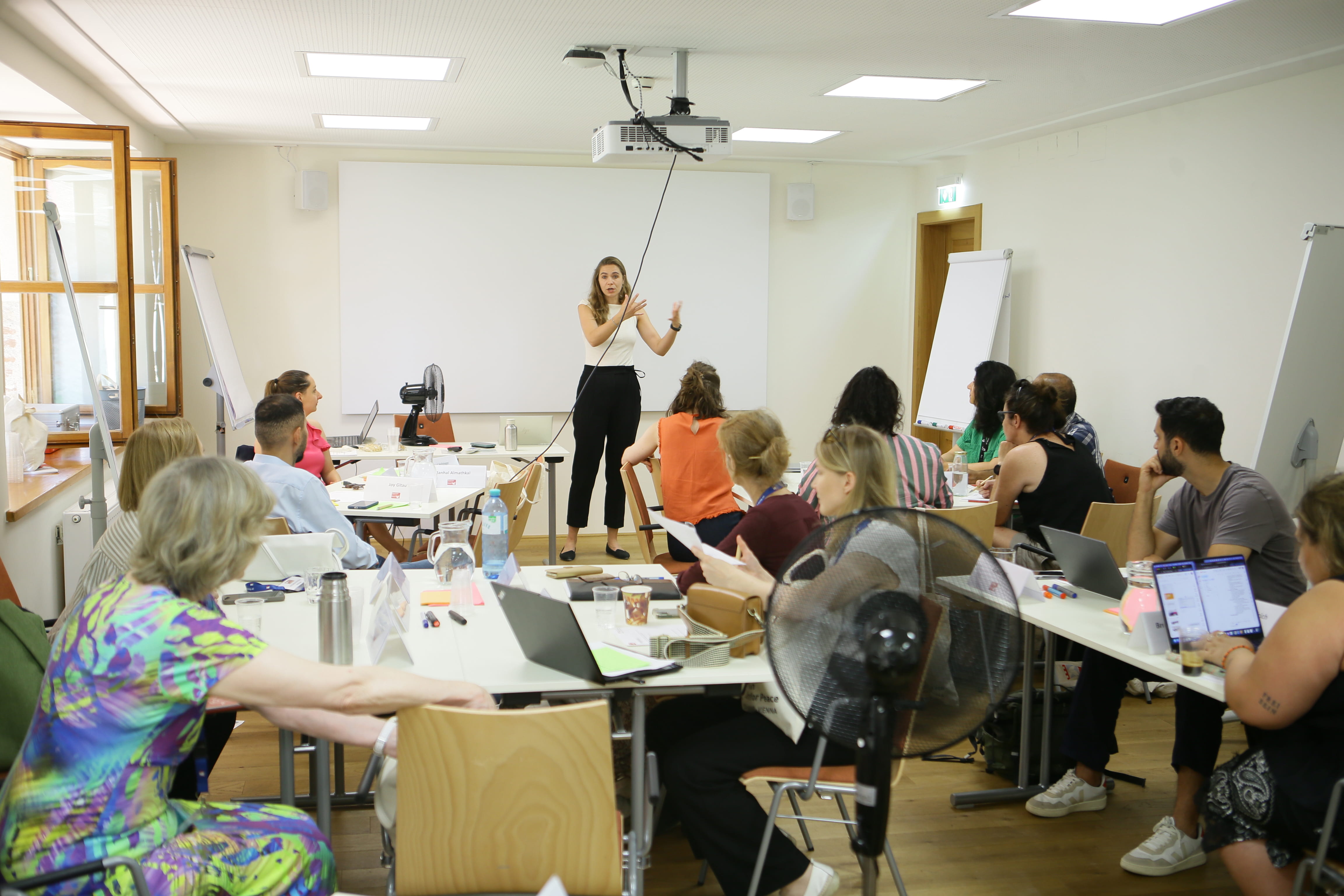 Workshop "Technology for Peace" (c) Foto Lexi
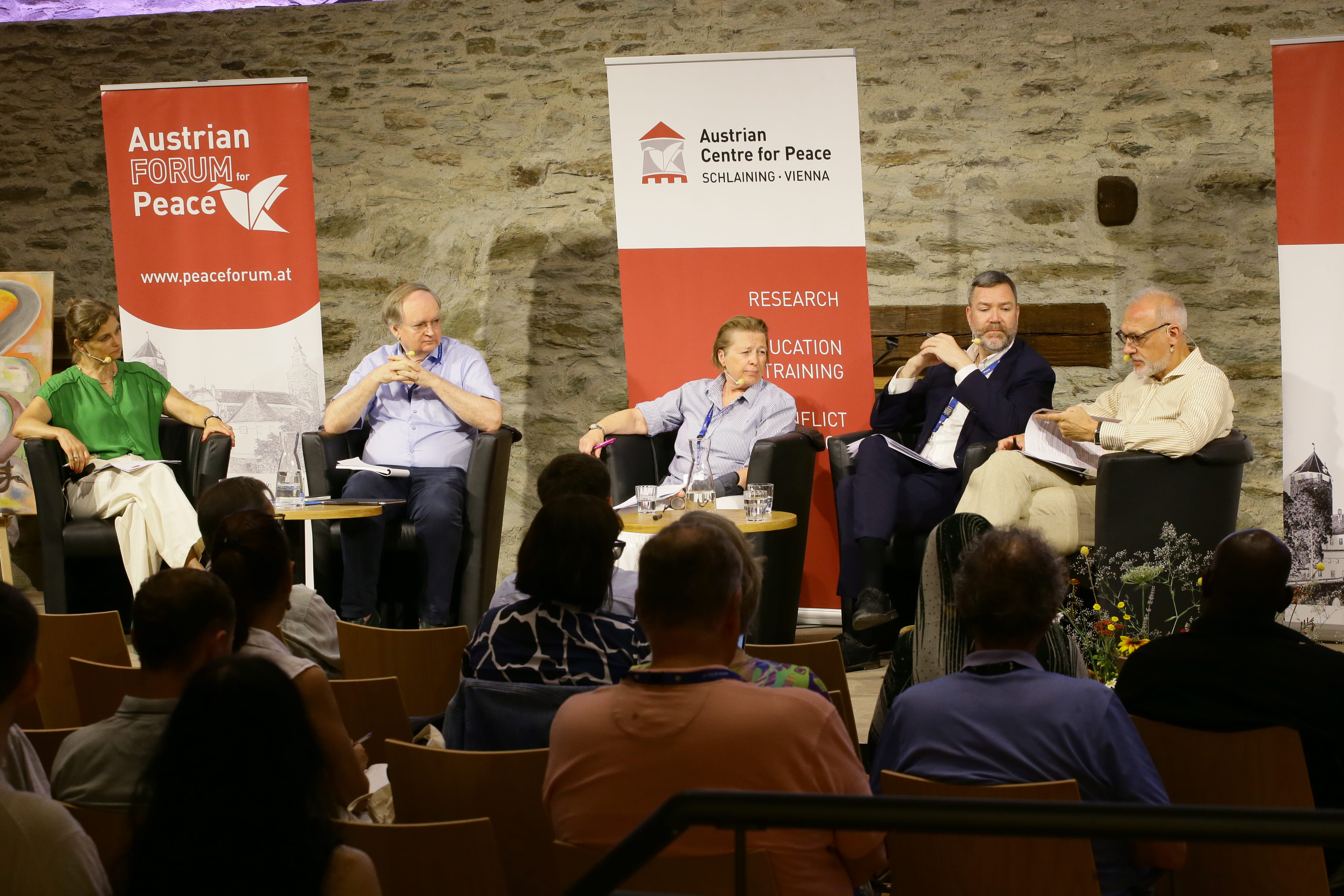 Panel Discussion "A Sign of Things to Come: Peace Operations in the Middle East" f.l.t.r.: Annika Hansen (ACP Advisory Board Member and ZIF Berlin), Christian Berger (Director of the EEAS Crisis Response Centre/ Senior Representative at the CMCC for Gaza), Kristin Lund (former Head of Mission/Chief of Staff of United Nation Truce Supervision Organization in the Middle East), Dirk Druet (Non-resident Senior Adviser, International Peace Institute), Günther Barnet (Head of Military Advice and Support as well as Regional Cooperation at the Austrian Federal Ministry of Defence) (c) Foto Lexi
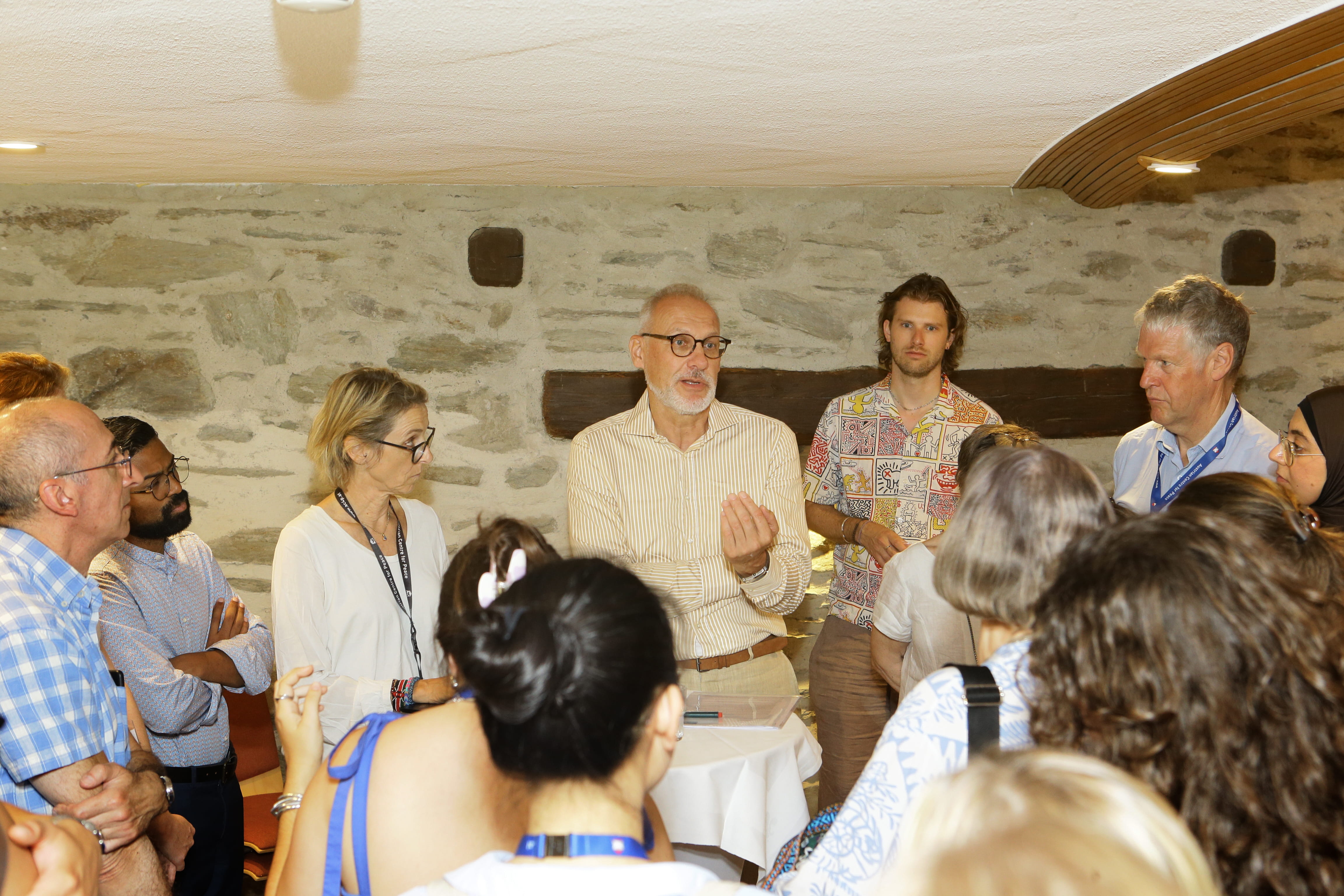 World Café with Günther Barnet (Head of Military Advice and Support as well as Regional Cooperation at the Austrian Federal Ministry of Defence) (c) Foto Lexi
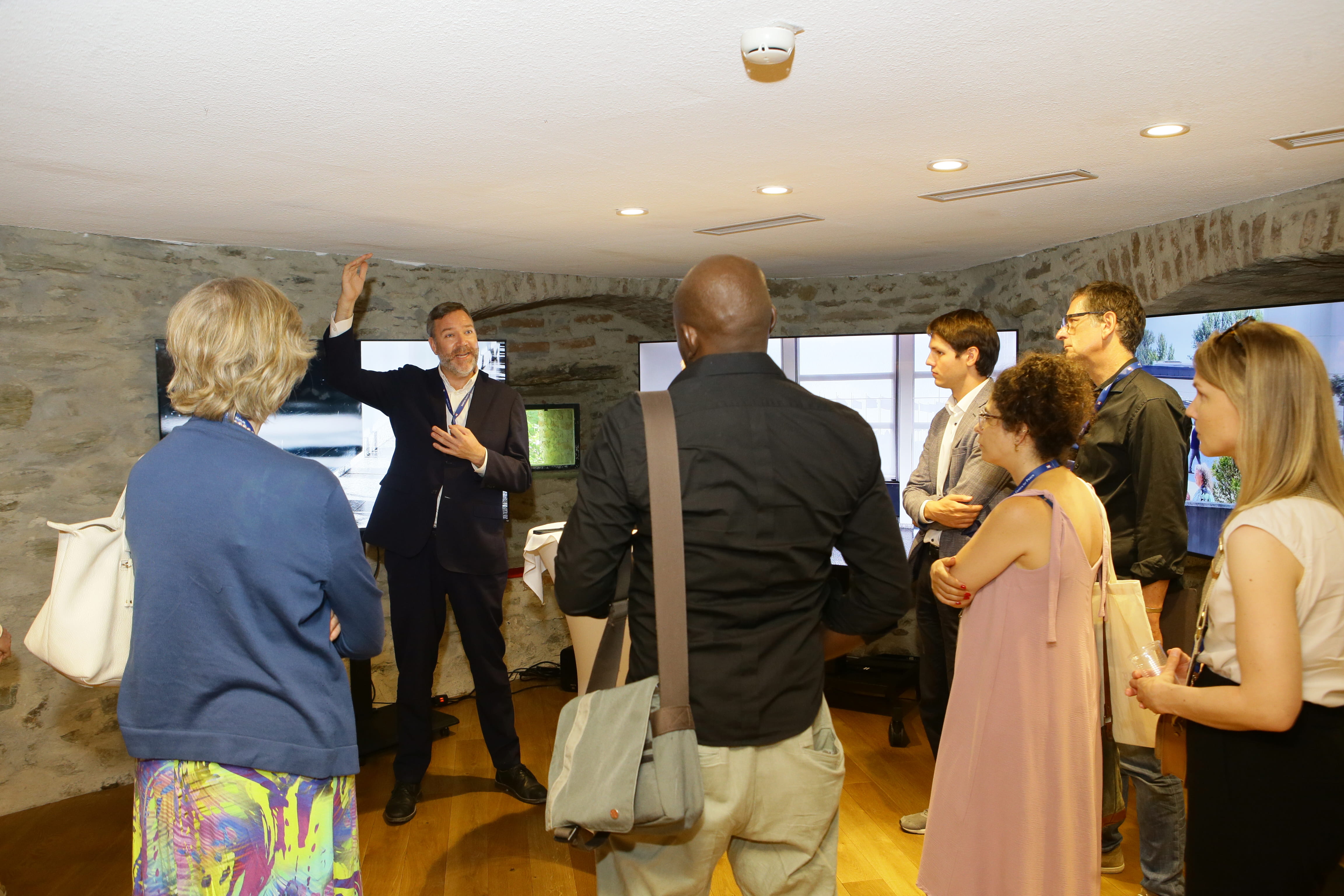 World Café with Dirk Druet (Non-resident Senior Adviser, International Peace Institute) (c) Foto Lexi
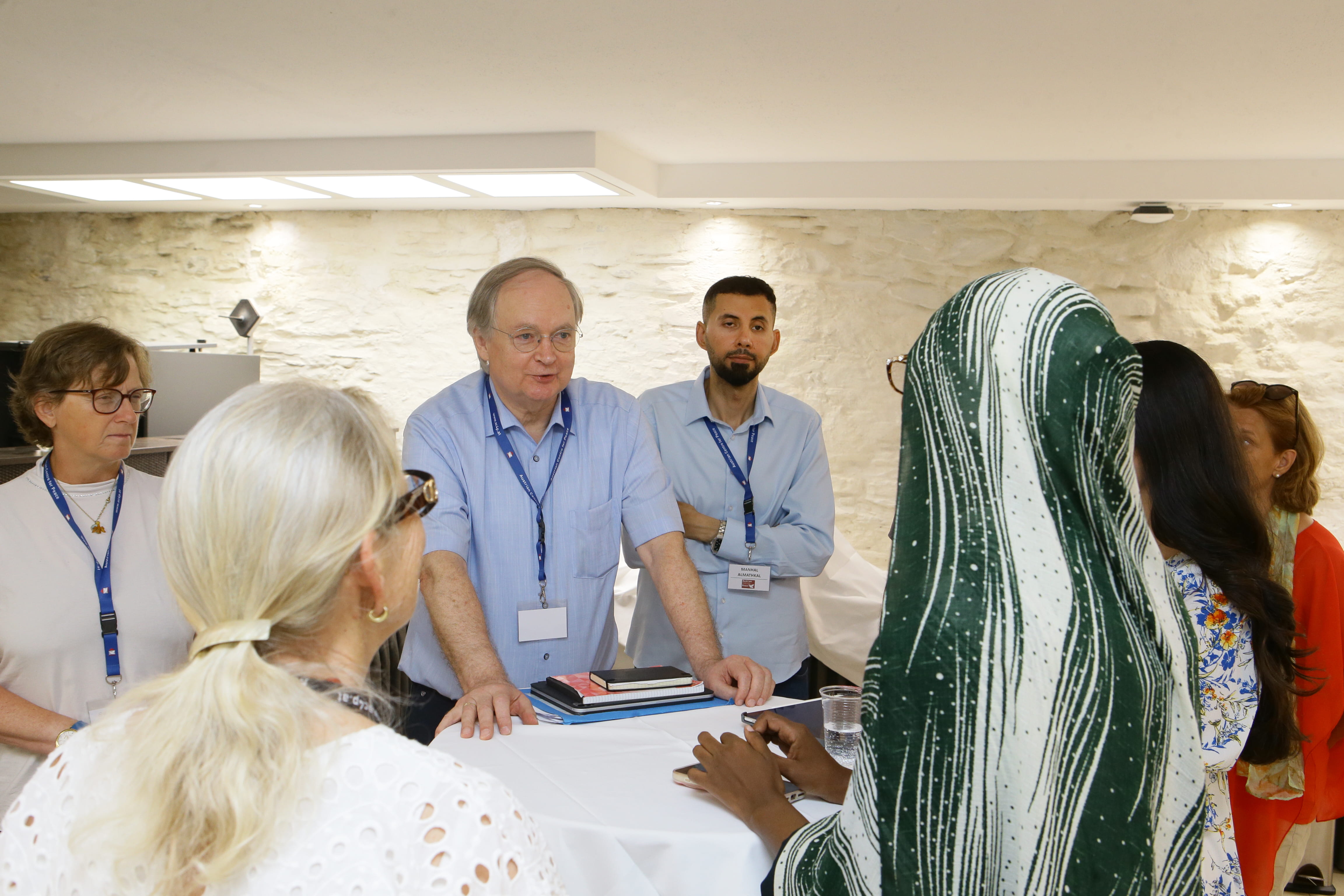 World Café with Christian Berger (Director of the EEAS Crisis Response Centre/ Senior Representative at the CMCC for Gaza) (c) Foto Lexi
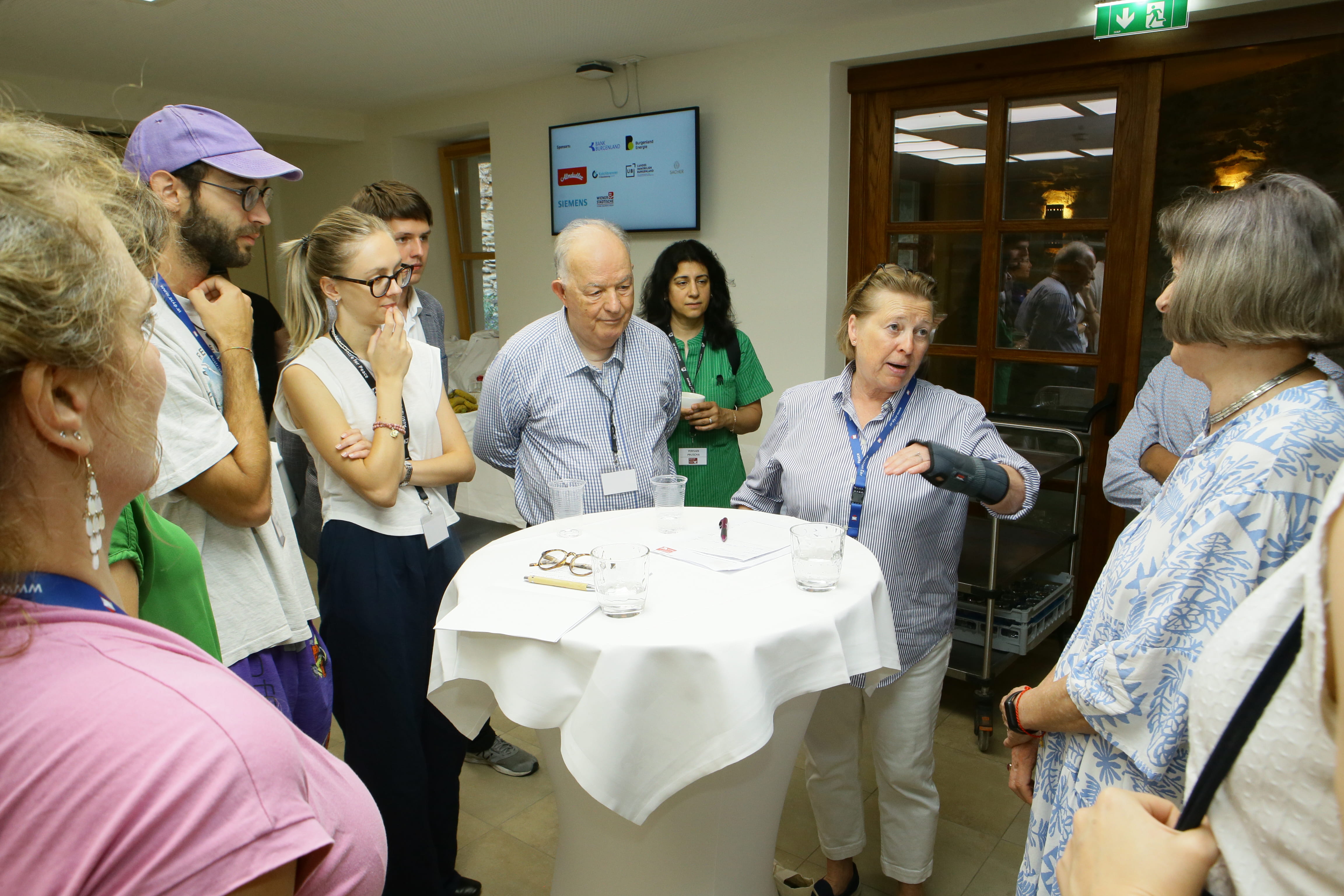 World Café with Kristin Lund (former Head of Mission/Chief of Staff of United Nation Truce Supervision Organization in the Middle East) (c) Foto Lexi
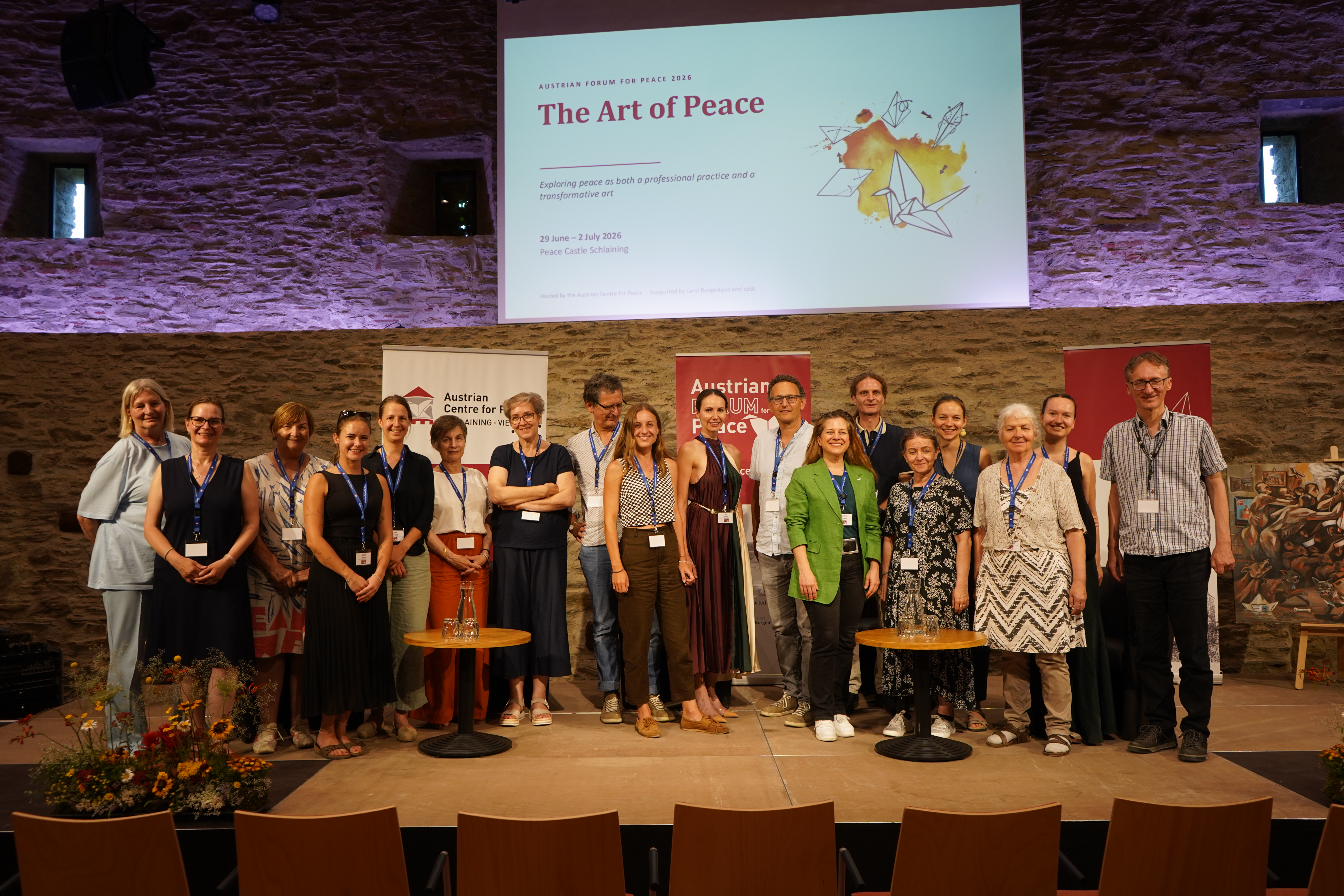 Workshop "Umwelt- und Klimakonflikte im Wandel" (c) ACP
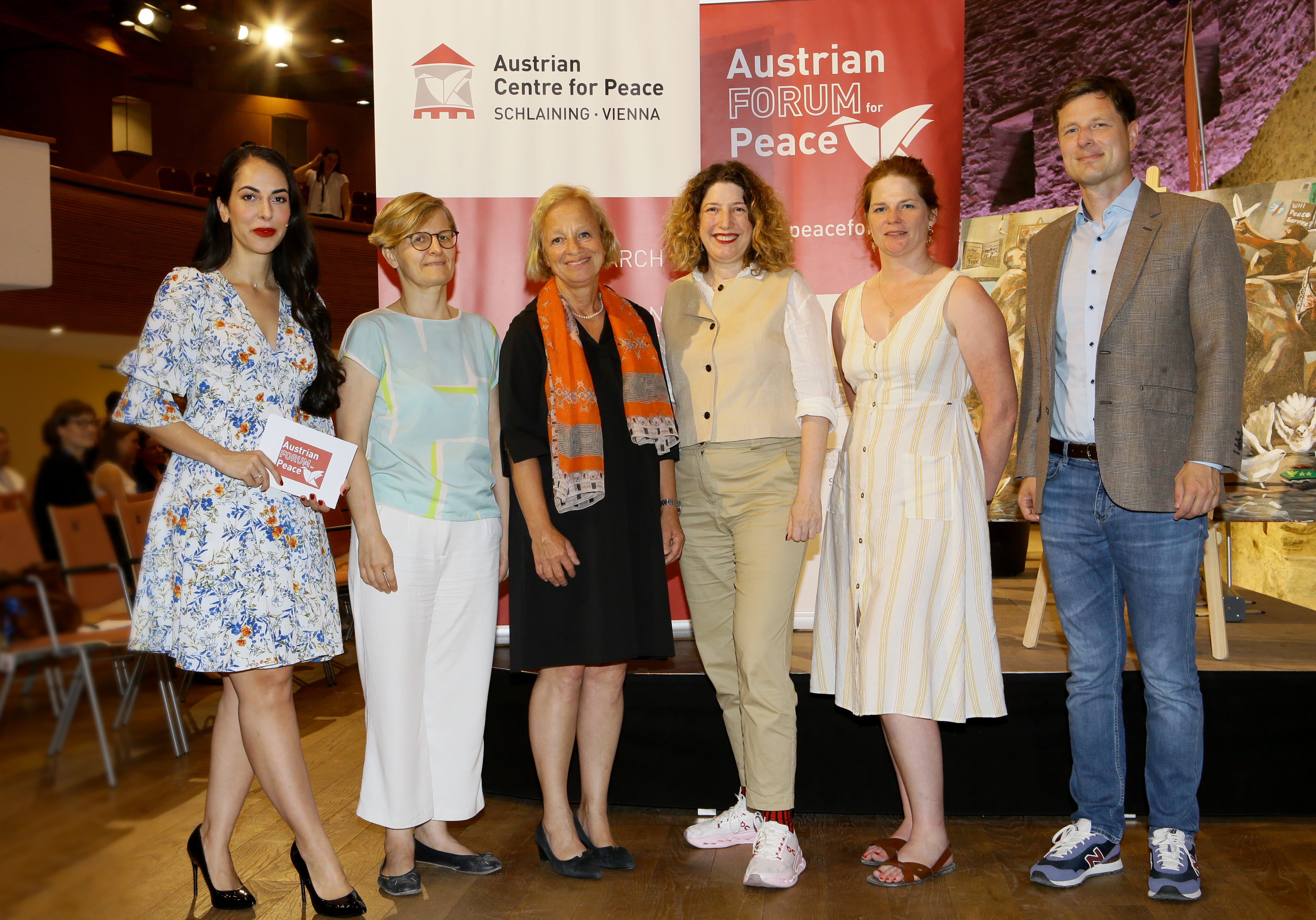 Spotlight Conversation "Engaging across Conflict Lines during War - Perspectives from Israel and Ukraine" f.l.t.r.: Damita Pressl (Journalist and Moderator), Tetiana Kyselova (Director, Mediation and Dialogue Research Center, National University "Kyiv-Mohyla Academy", Ukraine), Bettina Muscheidt (ACP Advisory Board Member), Gal Harmat (Senior Fellow at swisspeace), Bernadette Holzer (Conference Director, Austrian Centre for Peace), Tobias Lang (Director of the Austrian Centre for Peace) (c) Foto Lexi
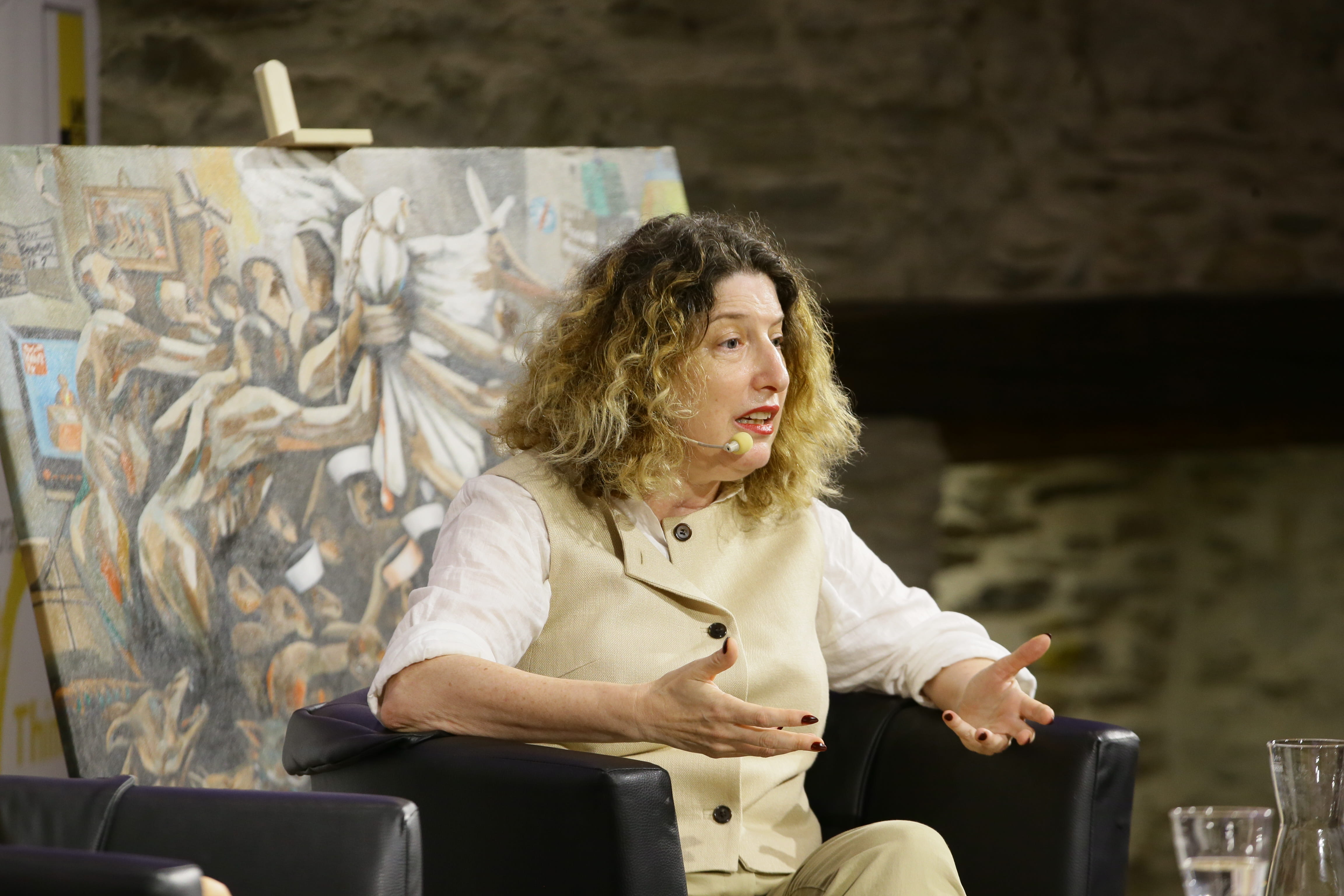 Gal Harmat (Senior Fellow at swisspeace) (c) Foto Lexi
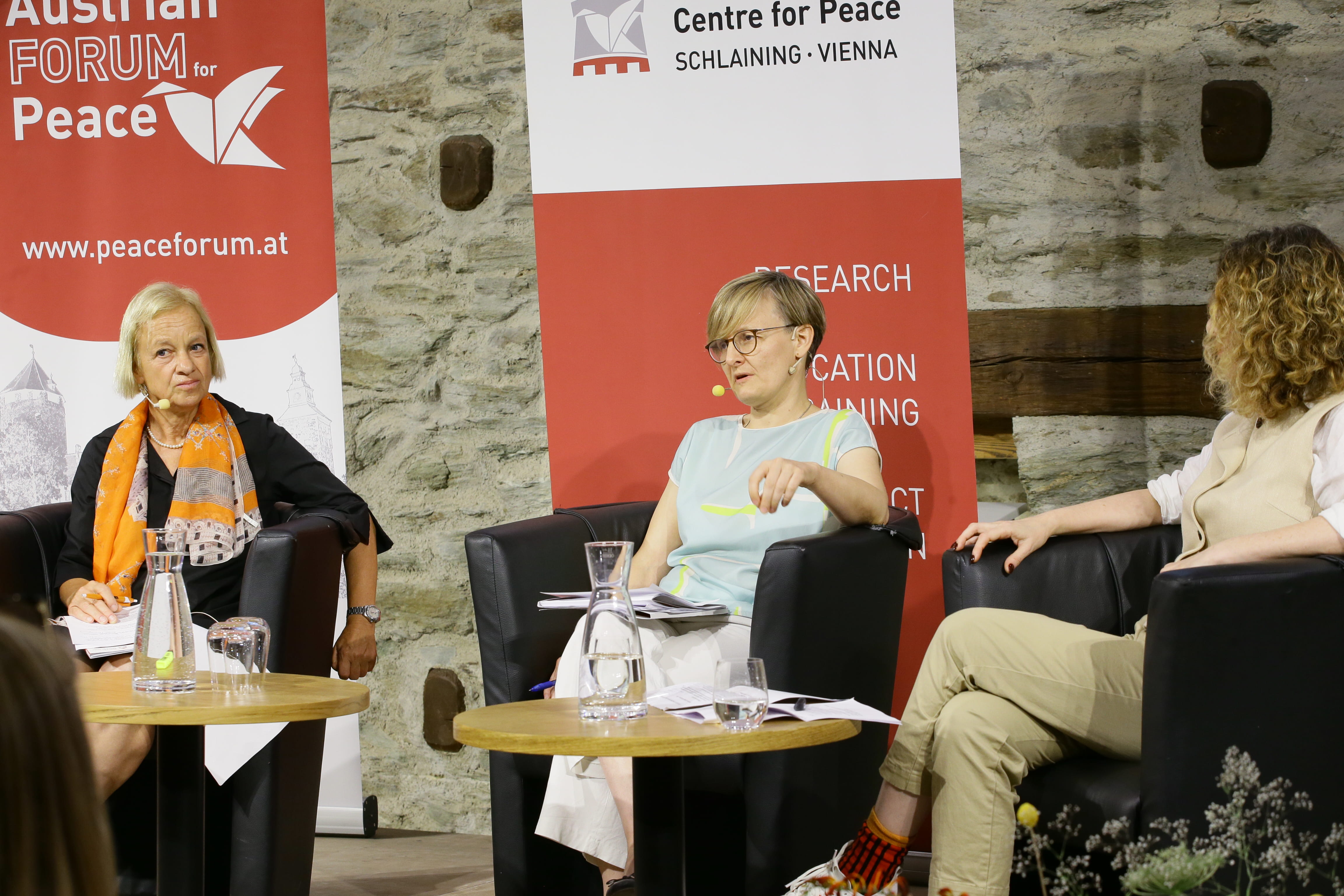 Bettina Muscheidt (ACP Advisory Board Member) and Tetiana Kyselova (Director, Mediation and Dialogue Research Center, National University "Kyiv-Mohyla Academy", Ukraine) (c) Foto Lexi
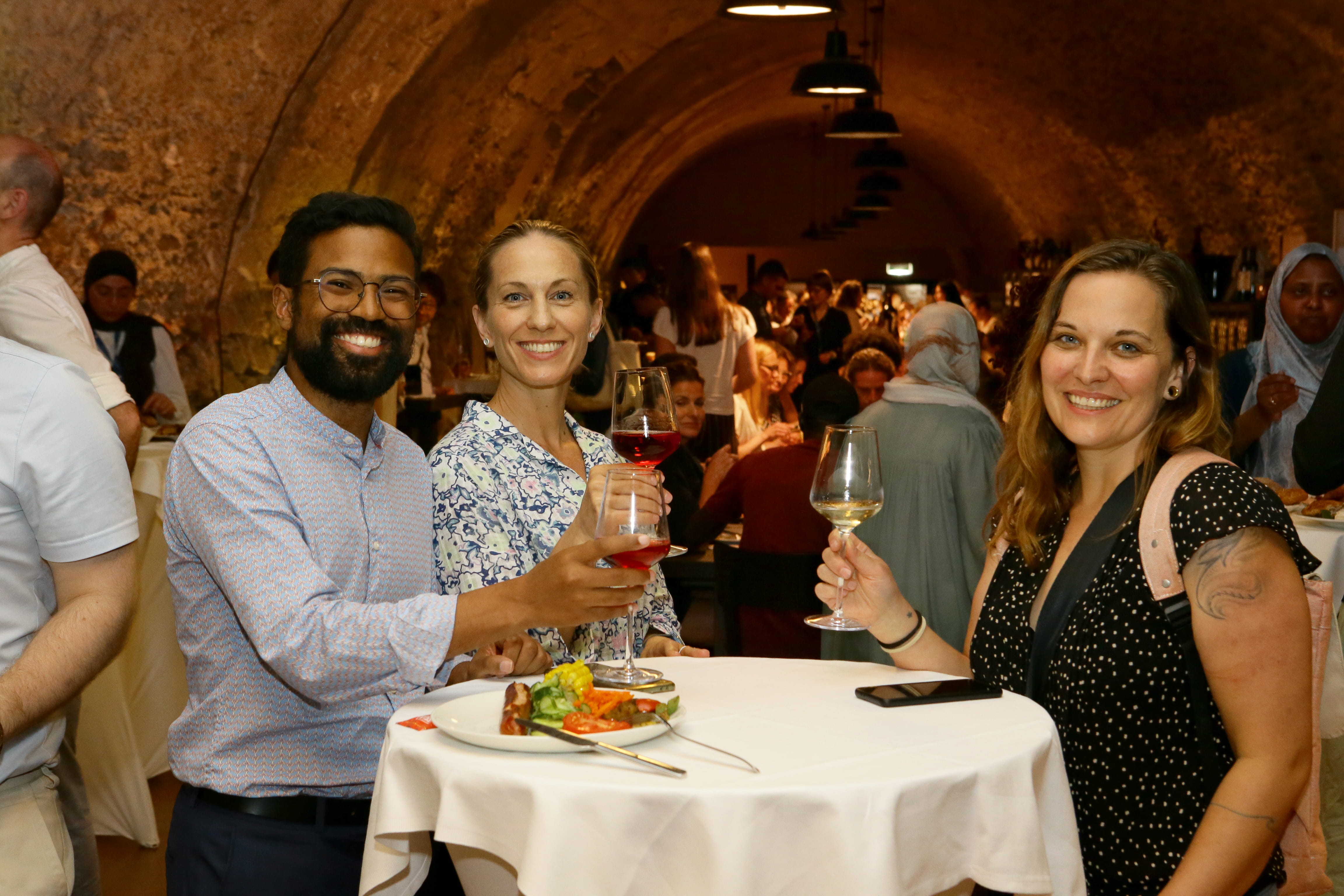 Burgfest (c) Foto Lexi
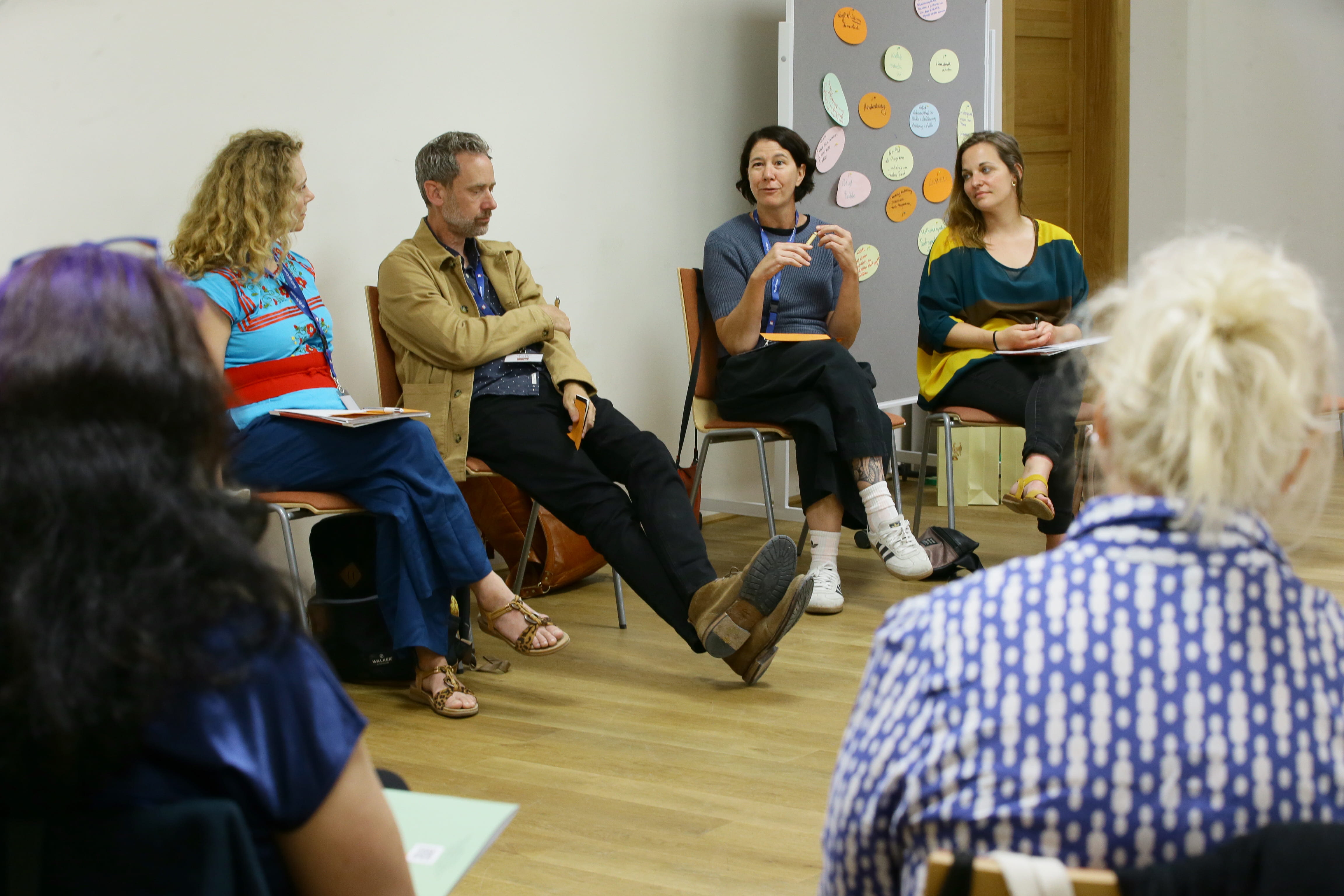 Workshop "(Think Outside the) Toolbox for Peace Work" (c) Foto Lexi
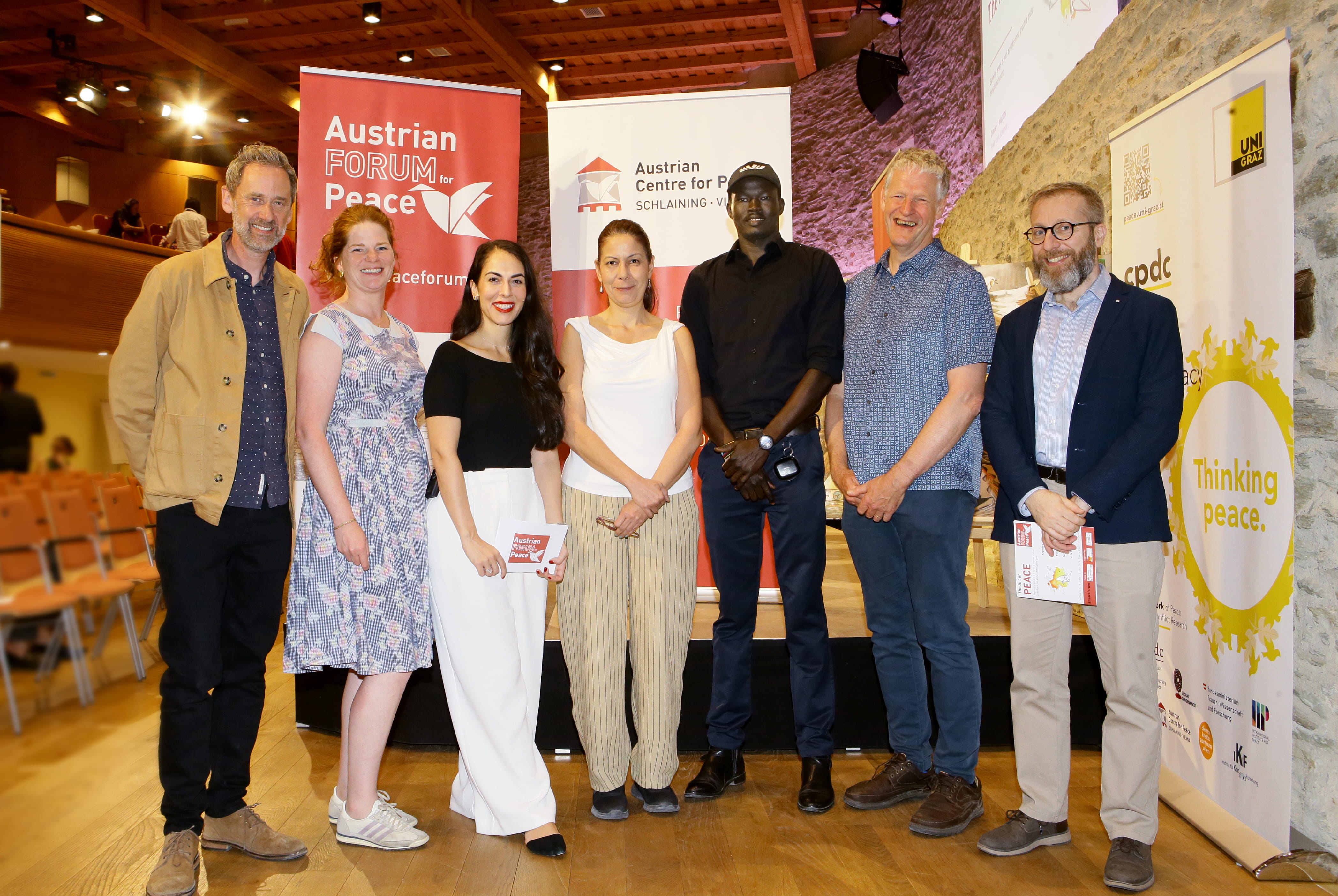 Panel Discussion "Conflict Transformation - The Art and Craft of building Peace" f.l.t.r.: Michael Fryer (Coach and Consultant), Bernadette Holzer (Conference Director, Austrian Centre for Peace), Damita Pressl (Journalist and Moderator), Rana Yazaji (Executive Director of the Artas Foundation), Kuol Arou Kuol (South Sudanese peacebuilder, refugee leader, and Practitioner Associate of Unyoke Foundation), Duncan Morrow (Director of Community Engagement at Ulster University), Jean-Paul Chami (Peacebuilding Advisor) (c) Foto Lexi
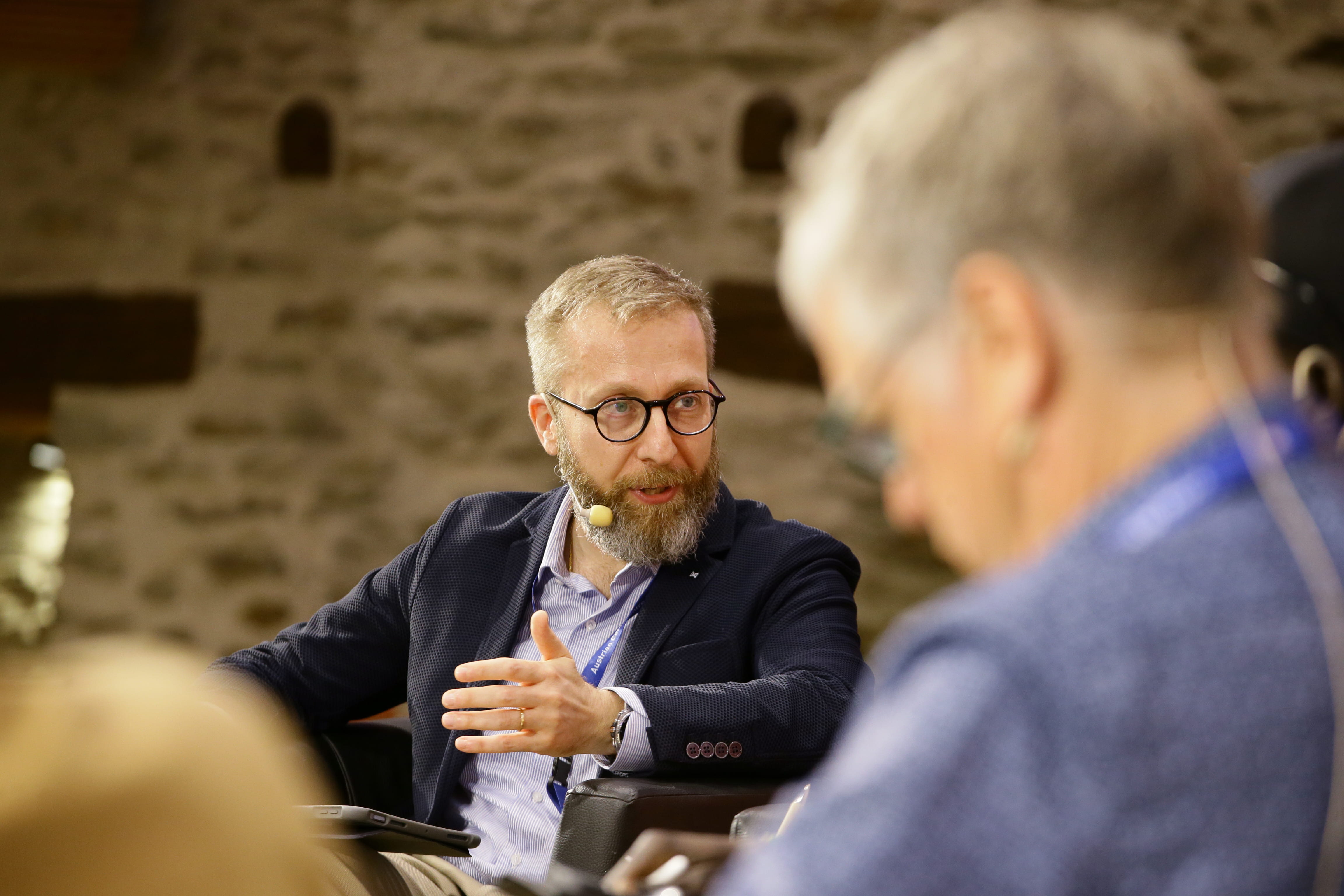 Jean-Paul Chami (Peacebuilding Advisor) (c) Foto Lexi
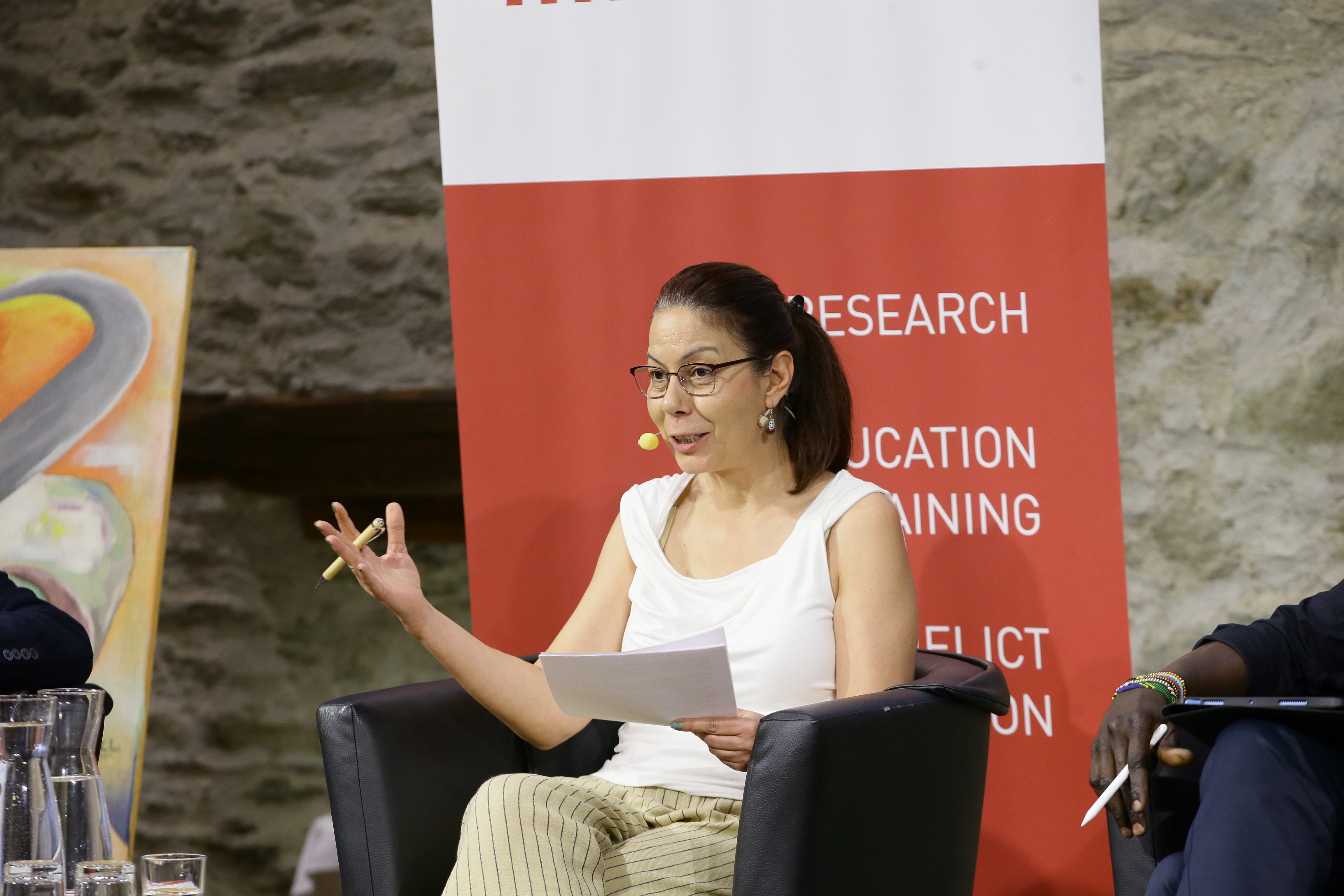 Rana Yazaji (Executive Director of the Artas Foundation) (c) Foto Lexi
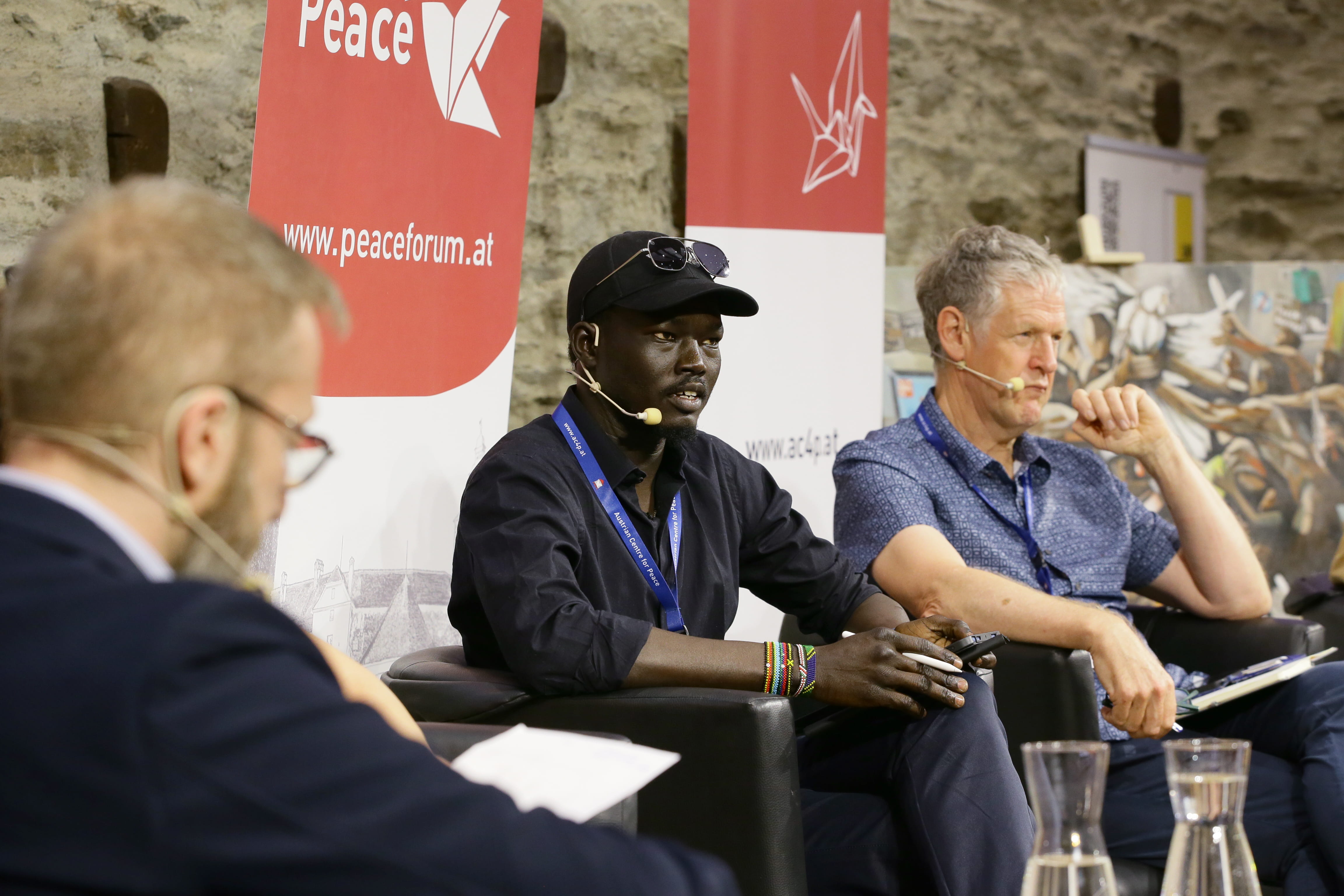 F.l.t.r.: Jean-Paul Chami (Peacebuilding Advisor), Kuol Arou Kuol (South Sudanese peacebuilder, refugee leader, and Practitioner Associate of Unyoke Foundation), Duncan Morrow (Director of Community Engagement at Ulster University) (c) Foto Lexi
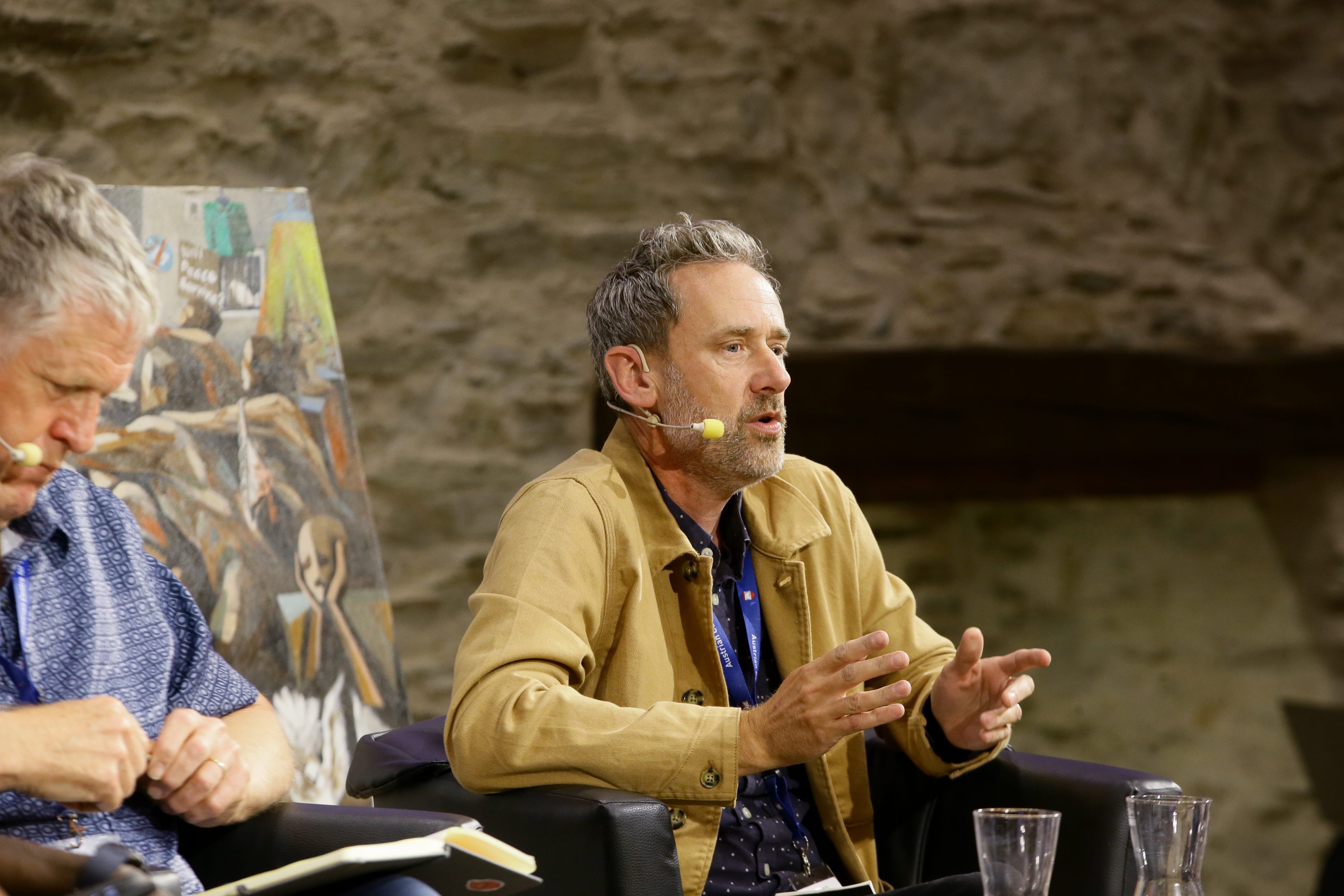 Duncan Morrow (Director of Community Engagement at Ulster University) and Michael Fryer (Coach and Consultant) (c) Foto Lexi
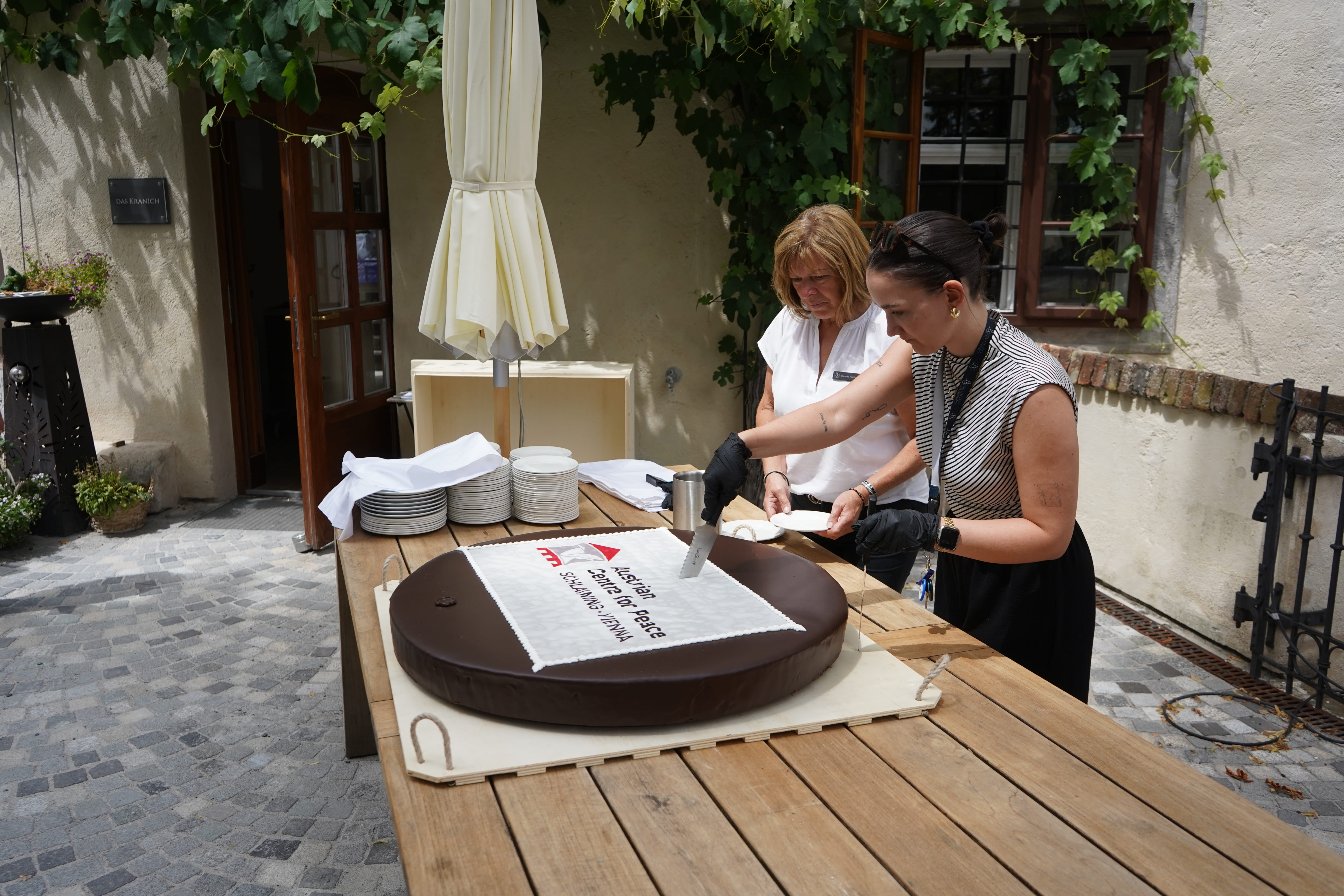 Farewell Reception (c) ACP
Check out some Images from the Austrian Forum for Peace 2025
 Opening Segment: f.l.t.r.: Norbert Darabos (President of the Austrian Centre for Peace), Keynote Speaker Yair Hirschfeld (University of Haifa), Deputy Governor Anja Haider-Wallner, Tobias Lang (Director of the Austrian Centre for Peace) (c) Foto Andi Bruckner
 Download
 Opening Segment: f.l.t.r.: Norbert Darabos (President of the Austrian Centre for Peace), Keynote Speaker Yair Hirschfeld (University of Haifa), Deputy Governor Anja Haider-Wallner, Tobias Lang (Director of the Austrian Centre for Peace), Damita Pressl (Moderator), Bernadette Holzer (Conference Director, Austrian Centre for Peace) (c) Andi Bruckner
Download
 Opening Segment: f.l.t.r.: Deputy Regional Office Director Andreas Temmel, Norbert Darabos (President of the Austrian Centre for Peace), Keynote Speaker Yair Hirschfeld (University of Haifa), Deputy Governor Anja Haider-Wallner, Tobias Lang (Director of the Austrian Centre for Peace), Rainer Winter (Office of the Bgld. Provincial Government, Head of Department Europe and International Affairs (c) Andi Bruckner
Download
 Opening Segment: f.l.t.r.: Andrea Maller-Weiß (Managing Director Bank Burgenland), Norbert Darabos (President of the Austrian Centre for Peace), Reinhard Czerny (CFO Burgenland Energie), Dieter Moritz (Regional Director Wiener Städtische), Martin Geiger (Head of Siemens Burgenland), Tobias Lang, Director of the Austrian Centre for Peace, Bernadette Holzer (Conference Director, Austrian Centre for Peace) (c) Andi Bruckner
Download

 Opening Segment: Norbert Darabos, President of the Austrian Centre for Peace (c) Andi Bruckner
Download


 1st July - Panel Discussion Transatlantic Relations (f.l.t.r.): Tobias Lang, Director of the Austrian Centre for Peace, Wolfgang Petritsch, President of the Austrian Institute for International Affairs (oiip), Farah Bdour, senior advisor at the Palestinian Territories, Egypt and the Levant (IPEL) program (United States Institute of Peace), Irene Giner-Reichl, former Permanent Representative of Austria to the United Nations in Vienna and Austrian Ambassador to China, Mongolia, Brazil and Suriname, Bettina Muscheidt, former EU Head of Delegation and Ambassador to Yemen, Libya, and Nicaragua, Bernadette Holzer, Conference Director at the Austrian Centre for Peace, Oliver P. Richmond, Professor of International Relations, Peace and Conflict at the University of Manchester (c) ACP
Download
 1st July - Panel Discussion Transatlantic Relations (f.l.t.r.): Irene Giner-Reichl, former Permanent Representative of Austria to the United Nations in Vienna and Austrian Ambassador to China, Mongolia, Brazil and Suriname, Farah Bdour, senior advisor at the Palestinian Territories, Egypt and the Levant (IPEL) program (United States Institute of Peace), Wolfgang Petritsch, President of the Austrian Institute for International Affairs (oiip), Oliver P. Richmond, Professor of International Relations, Peace and Conflict at the University of Manchester, Bettina Muscheidt, former EU Head of Delegation and Ambassador to Yemen, Libya, and Nicaragua (c) ACP
Download
 1st July - Public Panel Discussion (German) Europa ohne Washington? Neue Strategien im Umgang mit Russland (f.l.t.r.): Damita Pressl, Journalist and Moderator, Georg Häsler, security policy editor at NZZ, Norbert Darabos, President of the ACP and former Austrian Minister of Defence, Ursula Plassnik, former Austrian Foreign Minister, Tobias Lang, Director of the Austrian Centre for Peace, Heinz Gärtner, Department of Political Science (University of Vienna), Alexander Dubowy, political analyst and Eastern Europe / Russia / CIS researcher (c) ACP
Download
 1st July - Public Panel Discussion (German) Europa ohne Washington? Neue Strategien im Umgang mit Russland (f.l.t.r.): Damita Pressl, Journalist and Moderator, Georg Häsler, security policy editor at NZZ, Ursula Plassnik, former Austrian Foreign Minister, Alexander Dubowy, political analyst and Eastern Europe / Russia / CIS researcher, Heinz Gärtner, Department of Political Science (University of Vienna) (c) ACP
Download
 2nd July - Panel Discussion Peace in the Age of Disinformation - Rebuilding trust in a Fractured World (f.l.t.r.): Tobias Lang, Director of the Austrian Centre for Peace, Branka Panic, Founder and Executive Director of AI for PEACE, Mario Drobics, Head of Competence Unit for Cooperative Digital Technologies at the AIT, Lina Rukšteliene, Lithuanian Ambassador to Austria, Annika Hansen, Deputy Head of Policy, Partnerships & Innovation Team at ZIF Berlin, Daniel Hikes-Wurm, Senior Advisor for Defence Policy at the Directorate General for Defence Policy of the Austrian Federal Ministry of Defence, Norbert Darabos (President of the Austrian Centre for Peace) (c) ACP
Download
 2nd July - Panel Discussion Peace in the Age of Disinformation - Rebuilding trust in a Fractured World (f.l.t.r.): Damita Pressl, Journalist and Moderator, Lina Rukšteliene, Lithuanian Ambassador to Austria, Daniel Hikes-Wurm, Senior Advisor for Defence Policy at the Directorate General for Defence Policy of the Austrian Federal Ministry of Defence, Norbert Darabos (President of the Austrian Centre for Peace), Branka Panic, Founder and Executive Director of AI for PEACE, Mario Drobics, Head of Competence Unit for Cooperative Digital Technologies at the AIT, Annika Hansen, Deputy Head of Policy, Partnerships & Innovation Team at ZIF Berlin (c) ACP
Download
 2nd July - How to Build a Truth Engine: Movie Screening & Discussion (f.l.t.r.): Tobias Lang, Director of the Austrian Centre for Peace, Damita Pressl, Journalist and Moderator, Friedrich Moser, director, Norbert Darabos, President of the Austrian Centre for Peace, Bernadette Holzer, Conference Director at the Austrian Centre for Peace (c) ACP
Download
 2nd July - How to Build a Truth Engine: Movie Screening & Discussion (f.l.t.r.): Damita Pressl, Journalista and Moderatora, Friedrich Moser, director (c) ACP
Download
 3rd July - Paneldiscussion Synthesis and Perspectives for the Future (f.l.t.r.): Christian Strohal, Chairman of the ACP-Advisory Board, Tobias Lang, Director of the Austrian Centre for Peace, Bernadette Holzer, Conference Director at the Austrian Centre for Peace, Damita Pressl, Journalista and Moderatora, Ertuğrul Apakan, former Turkish diplomat, Nancy Annan, Assistant Professor at the Centre for Peace and Security (Coventry University), Norbert Darabos, President of the Austrian Centre for Peace (c) ACP
Download
 3rd July - Paneldiscussion Synthesis and Perspectives for the Future (f.l.t.r.): Damita Pressl, Journalist and Moderator, Ertuğrul Apakan, former Turkish diplomat, Nancy Annan, Assistant Professor at the Centre for Peace and Security (Coventry University), Christian Strohal, Chairman of the ACP-Advisory Board (c) ACP
Download
 3rd July - Closing: Bernadette Holzer, Conference Director at the Austrian Centre for Peace (c) ACP
Download
Workshop "The Blueprint: Austria’s Vision for PeaceTech" - Participants: Nathan Coyle (AIT/ACP), Michael Sedlak (Wirtschaftsagentur Burgenland), Hans Lampalzer (Federal Ministry of Defence), Markus Kornprobst (Diplomatic Academy Vienna), Thomas J. Lampoltshammer (University for Continuing Education Krems), Friedrich Moser (Director of How to Build a Truth Engine), Tobias Lang (ACP), Heather Wokusch, Caroline Hungerländer (IUFE), Philipe Reinsch (SilkRoad 4.0), Caitlin Roche (ACP), Jan Pospisil (Coventry University), Annika Hansen (ZIF), Astrid Holzinger (ACP), Lukas Rohatsch (FH Technikum Wien), Nicole Antal (Ministry of the Interior), Claire Haering (OSCE), Maximilian Lakitsch (University of Graz), Charles E. Ehrlich (Salzburg Global), Wolfgang Kutschera (Ministry of Foreign Affairs), Martin Semberger (Federal Chancellery), Mario Drobics (AIT), Christopher Lindinger (Mozarteum Salzburg), Michael Authried (Ministry of Defence) (c) ACPDownload
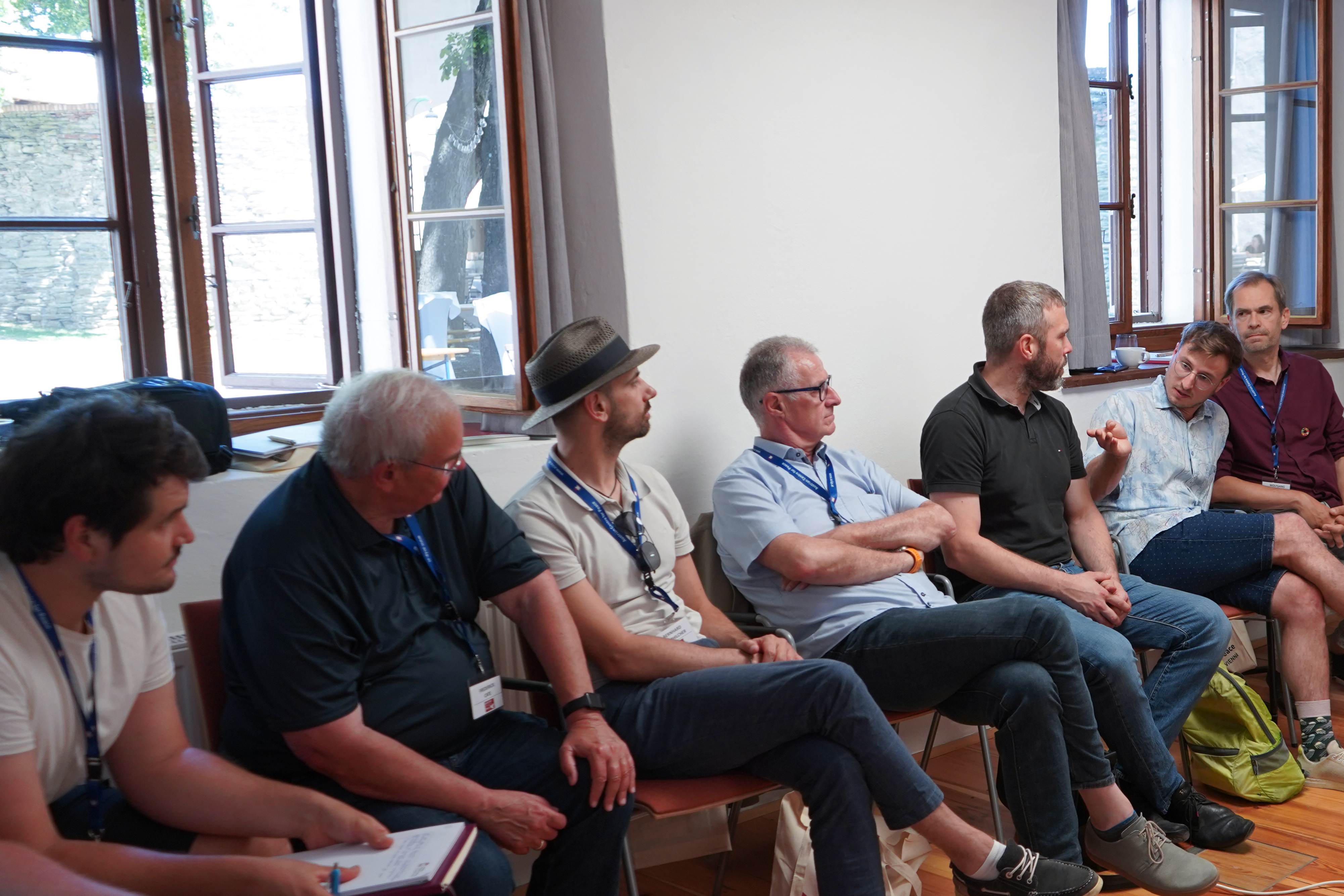
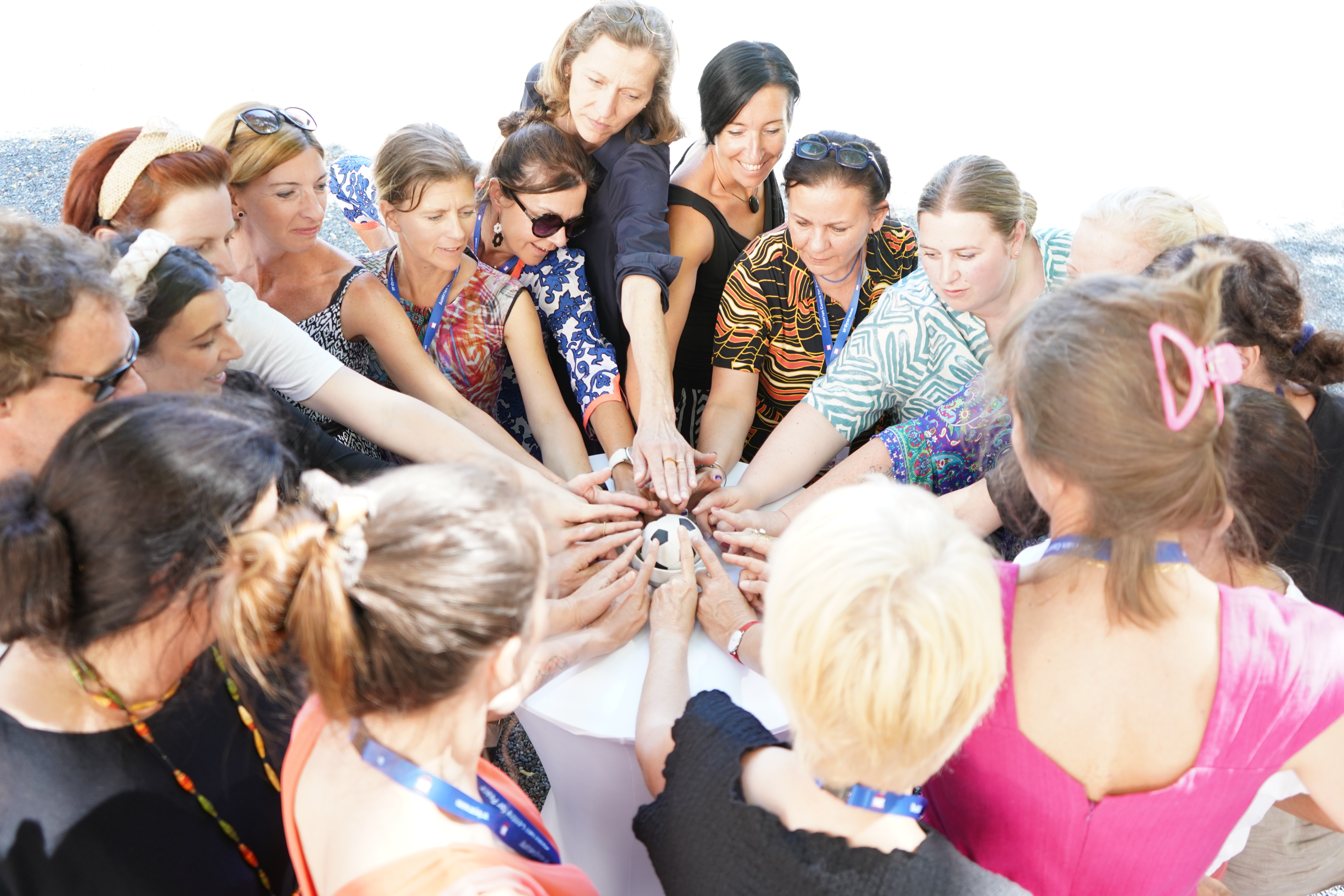
 Workshop "Lebendige Bücher - Yaşayan Kitaplar - Žive knjige - ספרים מלאי חיים – Libros Vivientes - Živindi Lil - Lively Books - كتب حية - Élő Könyvek" (c) ACP
Download


Check out some Images from the Austrian Forum for Peace 2024
 Opening Segment: M.Ehrmann, L. Gewessler, H. Fischer, L. Kajfež Bogataj, N. Darabos, E. Huber, H.P. Doskozil (c) Foto Lexi
 Opening Segment: K. Kohansal Vajargah, M. Ehrmann, M. Stubits, A. Benkö, A. Maller-Weiß, M. Geiger, E. Huber (c) Foto Lexi
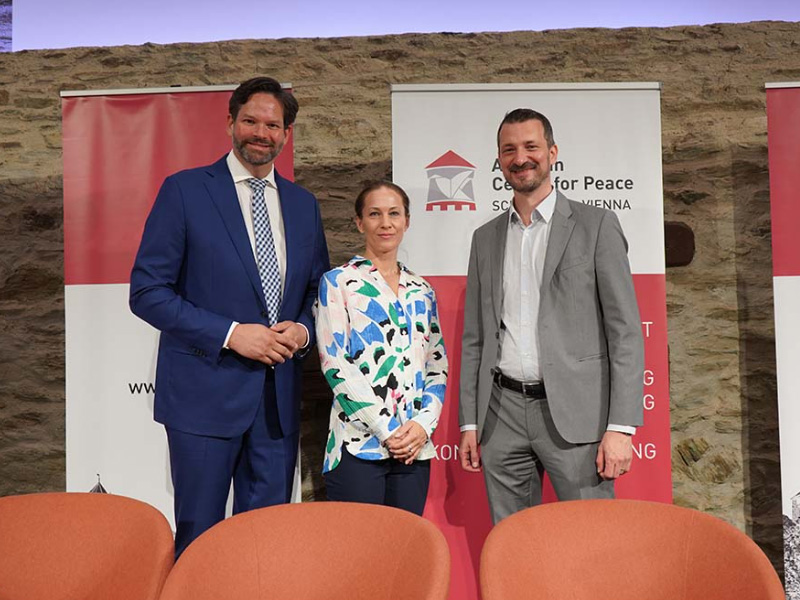 Opening Segment: Governor of Burgenland Hans Peter Doskozil during his speech (c) Foto Lexi
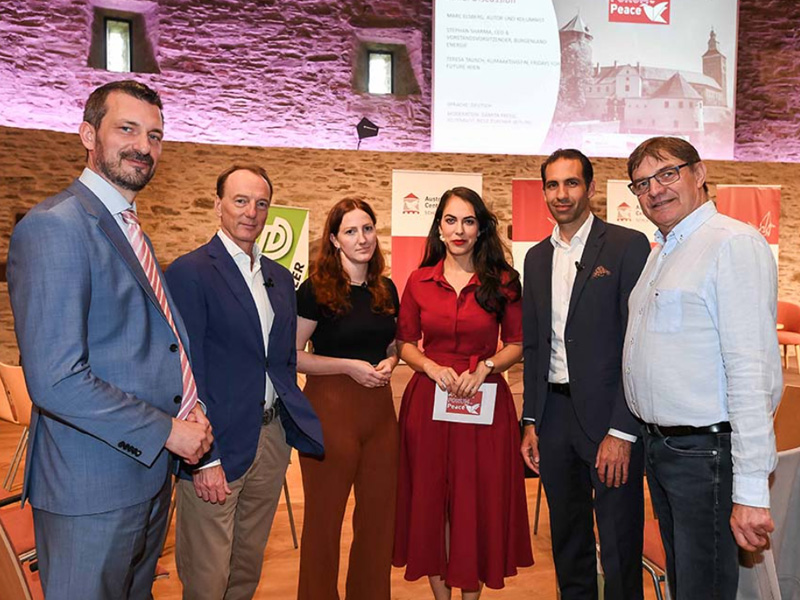 Opening Segment: ACP Director Moritz Ehrmann during his speech (c) Foto Lexi
 Opening Segment: Federal President Alexander Van der Bellen Video Message (c) Foto Lexi
 Opening Segment: ACP President Norbert Darabos during his speech (c) Foto Lexi
 Opening Segment: Professor Lučka Kajfež Bogataj University of Ljubljana during her speech (c) Foto Lexi
 Opening Segment: Federal Minister Leonore Gewessler during her speech (c) Foto Lexi
 Opening Segment: Former Federal President Heinz Fischer during his speech (c) Foto Lexi
 Panel Discussion "How to Put the Climate, Peace and Security Nexus into Practice": Alexandra Fong, Moritz Ehrmann, Aisha Al-Sarihi, Irene Giner-Reichl, Mamadou Bodian, Lučka Kajfež Bogataj
 Public Panel Discussion "Krieg in der Ukraine – Wege aus dem Labyrinth": Damita Pressl, Raphael Nägeli, Daniela Prugger, Stephanie Fenkart
 Panel Discussion "Emerging Powers in a Fragmented World Order": Angela Kane, Mustafa Aydin, Jacob Happymon, Luo Yanqi
 Guided tour through Schlaining Castle during the conference
 Panel Discussion "Emerging Actors in International Conflict Resolution": Meredith Preston McGhie, Hrair Balian, Anna Hess, Ghassan El Kahlout, Kholood Khair
 Evening Programme "Music & Culture" by: Young Pannonian Spirit Quartet and the Joseph Haydn Privathochschule
 Panel Discussion "Technology for Peace in Times of Climate Change": Fabjan Lashi, Paulina Behluli, Fabiola Hanna, Sara Petti, Nathan Coyle
 Closing Event
Check out some Images from the Austrian Forum for Peace 2023
 Guided Tour in the Castle Schlaining (c) Foto Andi Bruckner
 Opening Segment: R. Mardini (c) Foto Andi Bruckner
 Opening Segment: H. Zaki (c) Foto Andi Bruckner
 Opening Segment: I. Djundev (c) Foto Andi Bruckner
 Opening Segment: P. Neumann, H. Shelest, S. Glass, Ch. Kokkinakis, M. Ehrmann, D. Pressl (c) Foto Andi Bruckner
 Public Panel Discussion: M. Ehrmann, M. Elsberg, T. Tausch, D. Pressl, St. Sharma, G. Drexler (c) Foto Andi Bruckner
 PeaceTech Market Place
Partners





Sponsors





F.A.Q
-
How can I get to the event venue?
You can find travel information here.
-
Is barrier-free access to the event area possible?
Please find more information here.
-
Where can I stay during the Austrian Forum for Peace?
Here you can find a list of accommodations. Daily shuttles from Oberwart and Bad Tatzmannsdorf will be provided during the Austrian Forum for Peace.
-
How can I participate in the Austrian Forum for Peace?
You can apply here.
-
What are the participation fees?
The Registration Fee is EUR 280,00 for the entire event. The Fee includes Panel Discussions, Participation in one of the Workshops, Evening Event, Lunch, Dinner, Coffee breaks and hotel transfer (if applicable). It is possible to register for individual days. However, we recommend attending the entire event and would like to point out that the workshops can only be attended in their entirety. We offer a 50% Discount for students, retirees, pupils, apprentices, disabled people and persons doing military or civilian service!
Application deadline: 31 May 2026
Please note that the registration process is only complete once we have received the participation fee.
Please transfer the amount to the bank account within 2 weeks:
Bank: Raiffeisenbezirksbank Oberwart
Address of the Bank: Wienerstraße 5, 7400 Oberwart
IBAN: AT89 3312 5000 0022 0806
BIC: RLBBAT2E125
Account holder: Österreich. Friedenszentrum
Address of the account holder: Rochusplatz 1, 7461 Stadtschlaining -
How can I become a member of the ACP?
Please visit Membership - ACP to learn more.
-
How can I become a sponsor of the Austrian Forum for Peace?
Please contact us via communication@ac4p.at.
-
I am a journalist and would like to report on Austrian Forum for Peace. How do I get media accreditation?
Please contact us via communication@ac4p.at.
Contact Us
If you have any questions, you can reach out below.
Address
Rochusplatz 1 / Burg SchlainingA-7461< Stadtschlaining, Austria